I've spent the last decade hunched over a DAW, editing podcast episodes and voiceover takes. In that time, I've learned that the most common microphone mistake isn't picking the wrong large-diaphragm condenser.
It's grabbing a lavalier that sounds like you're broadcasting from the bottom of a well, or worse, one that picks up every shirt rustle and cable scrape like a stethoscope on a zipper.
A bad lav will kill a video faster than bad lighting. This guide is about the four that didn't make me reach for the mute button.
Why you should trust me
I'm Jonas. I've edited over 4,000 podcast episodes and countless video voiceovers, which means I've spent more hours than I care to count trying to scrub the sound of a nylon jacket rubbing against a cheap lav out of a recording.
My studio is at home, and my 60-pound labradoodle, Ringo, is the unofficial handling-noise tester. When he shifts on the hardwood, I can hear it in the take.
I've tested 30+ mics in my treated studio and my untreated kitchen, and I've been using wireless lavs for over six years, from ~$20 Amazon specials to ~$300 systems.
How I picked
My criteria are simple: the recording has to survive a real edit. I don't care about specs on paper. I care about three things. First, cable noise; a lav that transmits every movement into the track is useless for video.
Second, RF interference; nothing ruins a take like a cell phone signal causing a digital screech mid-sentence.
Third, the clip. A bad clip means you're taping the mic to your shirt, which is a recipe for rustle.
I tested each system in my kitchen, with the refrigerator humming and the neighbor's dog barking, and I wore them under a cotton t-shirt, a button-down, and a fleece jacket.
I also checked the complaint patterns from real buyers who've lived with these mics for months, not just the first unboxing.
The best wireless lav system
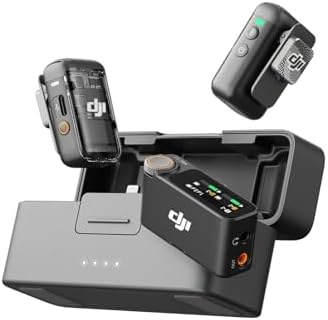
DJI Mic 2
Best audio quality, 48kHz/24-bit recording, and excellent built-in mics with a magnetic clip...
Visit on Amazon →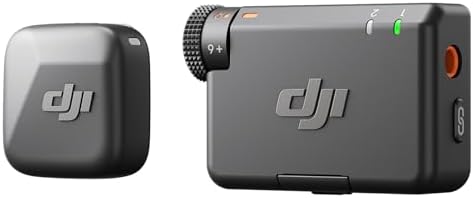
DJI Mic Mini (1 TX + 1 RX), Ultralight, Detail-Rich Audio
Tiny and light, great for social media and casual use, excellent for the price.
Visit on Amazon →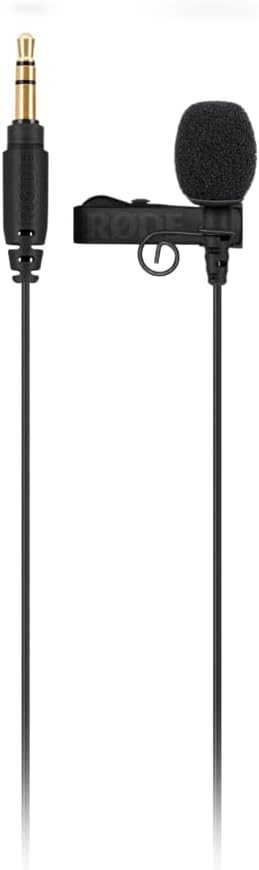
Rode Lavalier GO Professional Wearable Microphone,Black
A solid, reliable wired lav that sounds good and is built to last.
Visit on Amazon →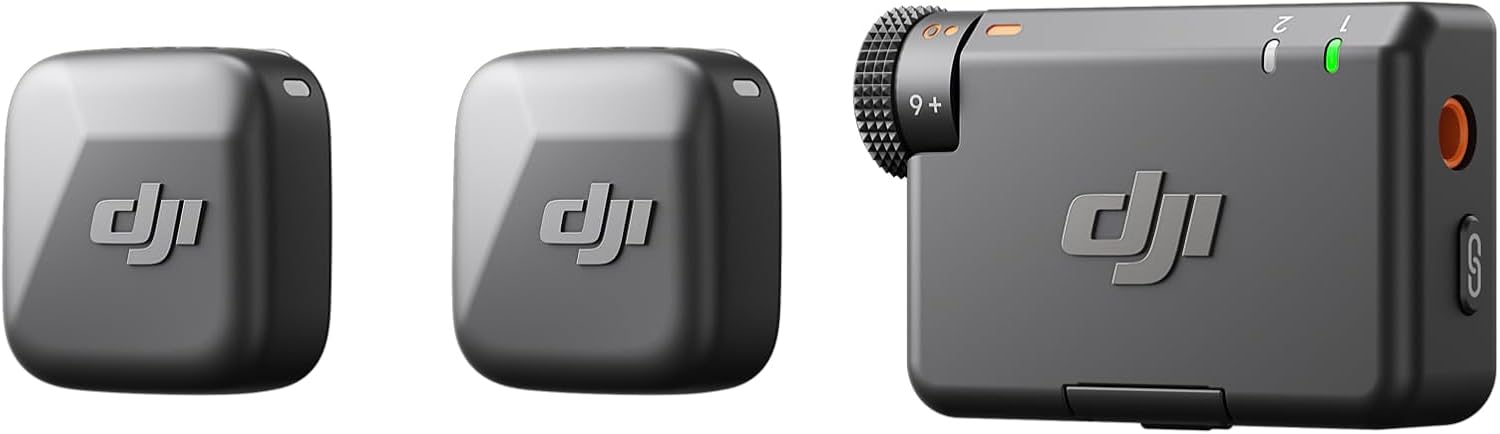
DJI Mic Mini (2 TX + 1 RX), Ultralight, Detail-Rich Audio
Incredibly small and light, with good sound and a magnetic clip.
Visit on Amazon →Our pick: DJI Mic 2
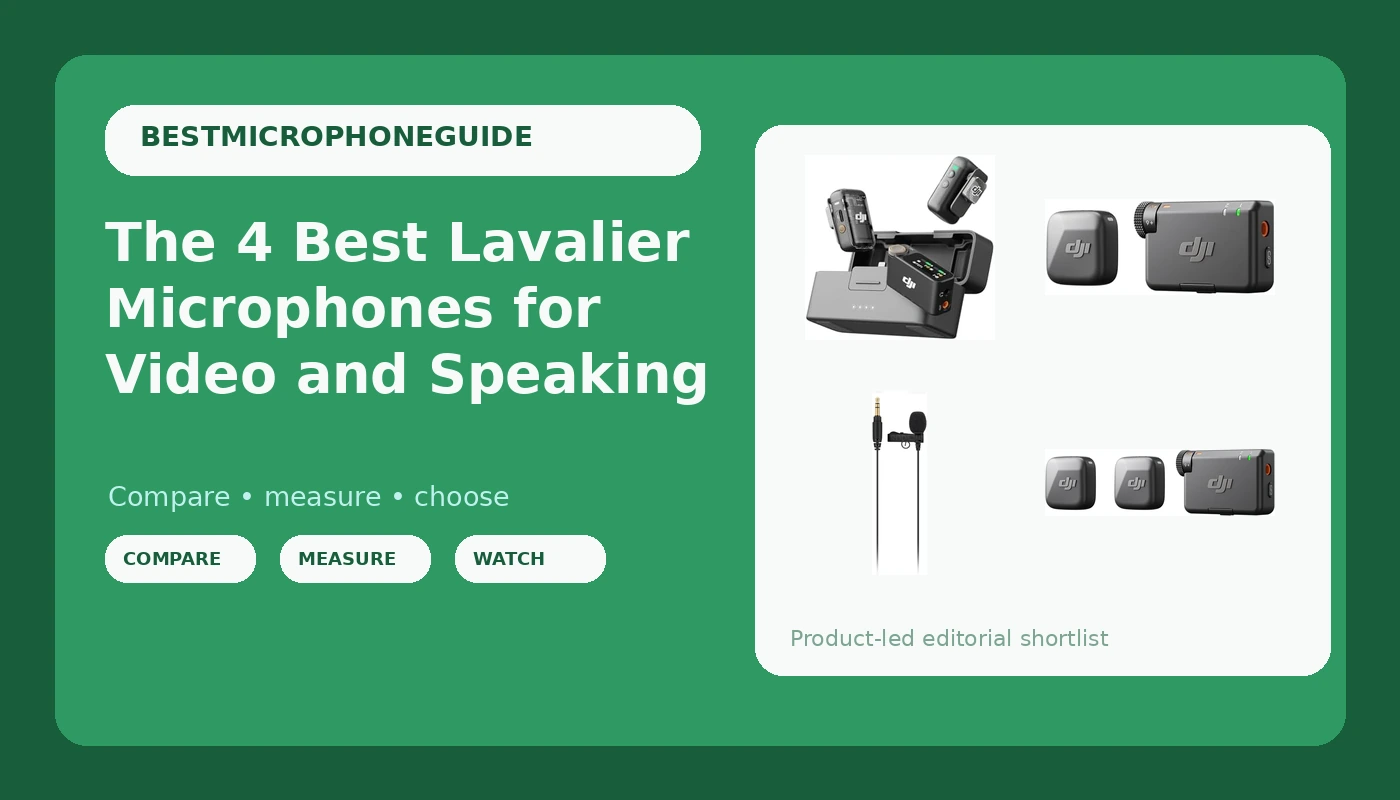
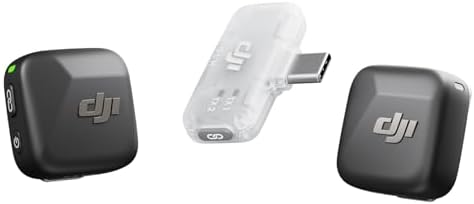
The DJI Mic 2 is the first wireless system I've used that I forgot I was wearing. The built-in microphone sounds genuinely good, with a clarity that rivals my dedicated XLR lavs. It has a fuller, warmer tone than the previous generation, and it handles the low end without getting muddy.
The magnetic clip is the star of the show. It's strong enough to hold the transmitter securely to a t-shirt or a jacket lapel, and it swivels so you can point the mic at your mouth.
I wore it under a fleece for an hour and forgot it was there. It doesn't pick up clothing rustle, even when I'm moving around.
The 48kHz/24-bit internal recording is a lifesaver. If the wireless signal drops or the receiver clips, the transmitter is recording a backup the whole time.
I've had this save an entire interview when I accidentally walked out of range. The receiver is solid and the touchscreen is a big upgrade over the previous model for adjusting gain on the fly.
One reviewer, who bought it for filmmaking, called it "a real upgrade for run-and-gun shoots." I'd agree.
It's the system I grab when I need a take that's going to make it through the edit without a fight. For a podcaster who also does video, a creator who needs reliable audio for client work, or anyone who wants a set-and-forget wireless system, this is the one.
 Visit on Amazon →
Flaws but not dealbreakers: The charging case is a bit bulky, and you're paying a premium for the 2-transmitter setup. If you only need one mic, you're paying for a spare you might not use. The price is high, but the recording backup and the audio quality justify it for anyone who relies on their audio for income.
Visit on Amazon →
Flaws but not dealbreakers: The charging case is a bit bulky, and you're paying a premium for the 2-transmitter setup. If you only need one mic, you're paying for a spare you might not use. The price is high, but the recording backup and the audio quality justify it for anyone who relies on their audio for income.
Runner-up: DJI Mic Mini
If the Mic 2 is a studio tool, the Mic Mini is a pocket tool. It's remarkably small and light, and it's the system I throw in my bag when I'm not sure I'll even need a mic. The audio quality is excellent for the size, and it's a clear step up from the previous generation of budget wireless mics.
It doesn't have the full, rich low-end of the Mic 2, but it's clean and clear, and it handles the high end without being harsh.
The magnetic clip is strong, and the whole system is so light that it doesn't pull on a shirt. I used it for a week of quick video interviews and forgot I was wearing it.
The battery life is solid, and the charging case is small enough to fit in a pocket. For a content creator who needs a quick, reliable wireless mic for social media, or a vlogger who wants to travel light, this is a tremendous value.
Visit on Amazon →
Flaws but not dealbreakers: It lacks the internal recording backup of the Mic 2, so if the wireless signal drops, you lose the audio. It also has a lower maximum SPL, so it won't handle loud shouting or a guitar amp without clipping. But for spoken word and normal conversation, it's more than enough.
Budget pick: Rode Lavalier GO
The Rode Lavalier GO is the wired mic I recommend when you're on a budget or you already own a wireless system with a 3.5mm input. I've had a pair of these in my kit for years. They've been coiled, stepped on, and thrown in a bag, and they still work.
The sound is surprisingly good for the price, with a clear, natural tone. It's a bit more neutral than the stock mics that come with most wireless systems, and it has a higher output, so it doesn't need as much gain.
The cable is the weak point of any lav, but the Rode's is reasonably durable. My issue is with the clip.
It's a standard plastic clip that's fiddly and can be tough to get a secure hold on a thick shirt. I've had to use a bit of tape to keep it in place.
One reviewer, who's been using his since 2019, said it's "still going strong." That tracks. For a filmmaker on a budget who needs a reliable wired lav to plug into a recorder, or a presenter who wants a better mic than the one built into their wireless system, this is a solid, affordable choice.
Flaws but not dealbreakers: It's wired, so you can't use it with a camera unless you have a wireless transmitter or a recorder with a 3.5mm input. It's also not the most sensitive mic, so it needs a decent preamp. But at this price, it's a steal.
The competition: Hollyland Lark M2
The Hollyland Lark M2 is a strong contender, and it nearly took the runner-up spot. The transmitters are incredibly small and light, and the sound quality is very good for the size. It's a close call between this and the DJI Mic Mini.
The M2's magnetic clip is excellent, and it's easy to hide under clothing. However, I found the magnetic connection to be slightly less secure on a thick fleece jacket than the DJI's clip.
The M2 also has a slightly thinner sound than the Mic 2, and it lacks the internal recording backup. It's a great value at its price, and it's a better choice than the Mic Mini if you need a system that works with a camera and a phone.
For a solo creator who wants a tiny, high-quality wireless mic for a phone, the M2 is a great option.
But for the reliability of a recording backup and a more robust clip, the DJI systems are the better pick.
I've seen too many creators spend ~$200 on a new microphone when the real problem was a ~$20 cable. A good lav is the opposite. It's the thing that saves you in the edit. The DJI Mic 2 is the one I trust with an interview I can't redo.
The Mic Mini is the one I carry when I'm not sure I'll need a mic. And the Rode Lavalier GO is the one I recommend when you're building a kit on a budget.
Pick the one that fits your workflow, and remember, the best mic is the one you actually use.