Bad audio ends a video faster than bad lighting. Viewers forgive a soft shot, an awkward cut, a background that is not quite framed right. They do not forgive a room that sounds like a tiled bathroom, a laptop fan humming under every sentence, or a voice that clips the moment you get excited about your own topic. That is why microphones for video creators get so much research and so little resolution: the spec sheets are endless, the marketing is loud, and almost none of it tells you what a microphone expects from you before it sounds good.
This guide covers six pieces of gear that solve the problem in different ways. Two are clip-on wireless kits built for shooting on a phone or a camera. One is a classic dynamic vocal microphone that has been the safe answer for decades. One is a cardioid condenser that belongs in a controlled space. One is a plug-and-play lavalier aimed at phones. And one is the interface bundle that ties an XLR microphone to a computer in the first place.
The differences that matter here are not frequency-response bragging rights. They are connection type, how many people can be miked at once, what actually arrives in the box, and whether the microphone is realistic for the room you record in.
Related: Fix Your Room Before You Buy Another Microphone
Quick answer
The DJI Mic Mini (2 TX + 1 RX), Ultralight, Detail-Rich Audio is the strongest fit for most creators shooting talking-head video because it puts two clip-on transmitters and one receiver in a single ultralight kit the manufacturer describes as detail-rich, so two people can be miked without cables crossing the frame. Choose the Shure SM58 Pro Dynamic Vocal Microphone with 25-ft XLR Cable instead when you record in one fixed spot, already own something with an XLR input, and want a dynamic microphone that arrives with its own cable.
What is worth comparing in a microphone for video creators
Three questions separate these products before you look at anything else.
First, does the microphone plug into a camera or a phone, or does it need an interface? Wireless kits and phone lavaliers handle the whole chain for you: transmitter on the person, receiver on the device, done. An XLR microphone such as the SM58 or the SM81-LC does not, and it will stay silent until something with an XLR input sits at the other end of the cable. If you do not own that piece yet, budget for it, because an XLR microphone with nothing to plug into is a paperweight with good reviews.
Second, how many people are on camera? A single-channel kit is fine for a solo channel. The moment you interview someone, you need a second transmitter, and adding one later usually costs more than choosing a two-transmitter kit up front. Two of the products here ship with two transmitters. The rest are single-channel by design, which is not a flaw, just a limit you should decide about before you buy rather than after.
Third, what does the kit actually contain? A charging case, a camera receiver, a phone receiver, a windscreen, a cable: these decide whether a kit is usable on day one or needs a second order. The Hollyland Lark M2, for instance, is listed as a two-transmitter, three-receiver package with a charging case, which is a very different proposition from a single lavalier with one connector.
Then there is the room, which is the part nobody wants to talk about. A microphone that hears everything is not automatically better. In an untreated kitchen or a bedroom with a window on a busy street, a highly sensitive microphone picks up the street, the fridge, and the reflection off the wall behind you, and no amount of editing removes what the microphone already captured. A tighter dynamic or a close-mounted clip-on gives you less room and more person, and that is usually the difference between audio you can publish and audio you have to re-record.
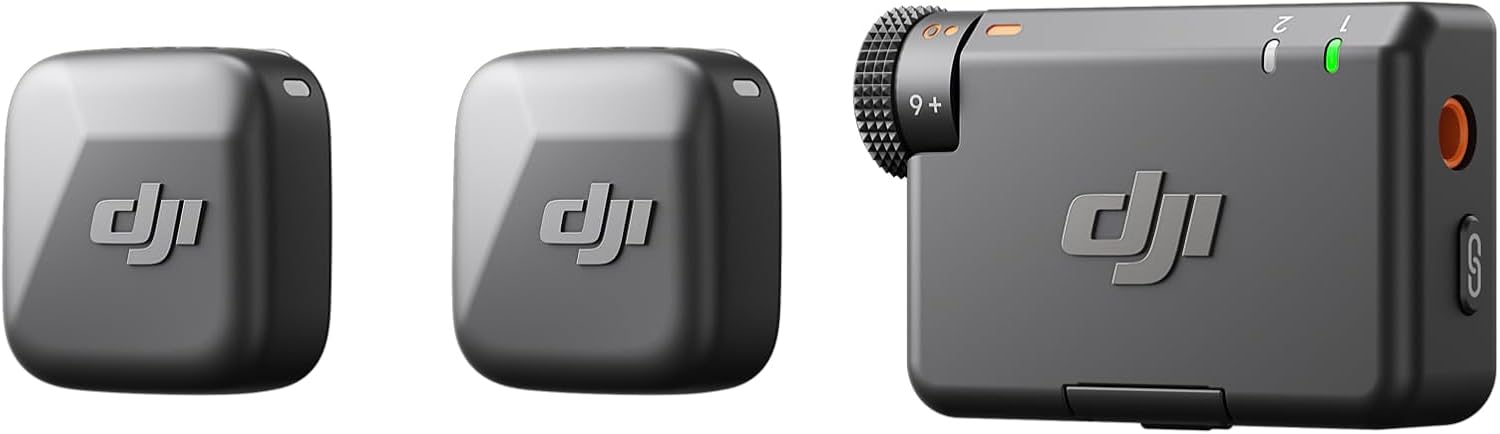
DJI Mic Mini (2 TX + 1 RX), Ultralight, Detail-Rich Audio
A two-transmitter, one-receiver wireless kit built around an ultralight clip-on transmitter that the manufacturer describes as delivering detail-rich audio. The two-transmitter layout means two people can be recorded at once.
Visit on Amazon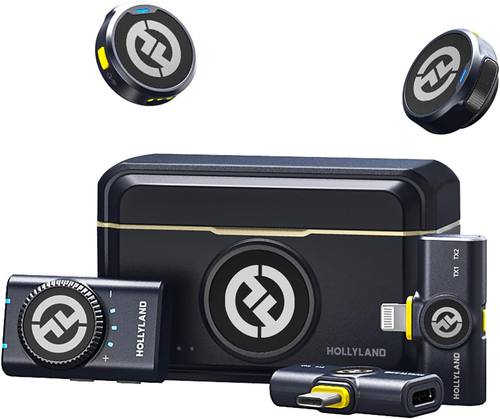
Hollyland Lark M2 Wireless Microphone for iPhone/Camera/Android/PC, 48kHz/24-bit High Fidelity Audio, 300m Range, Noise Cancelling, 40h Use, YouTube, Vlog, Streaming (2TX + 3RX + Charging Case)
Listed as a two-transmitter, three-receiver system with a charging case, compatible with iPhone, camera, Android, and PC. Manufacturer claims include 48kHz/24-bit audio, a 300 m range, noise cancelling, and up to 40 hours of use.
Visit on Amazon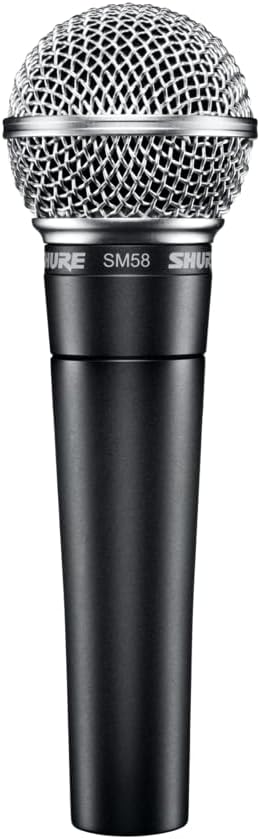
Shure SM58 Pro Dynamic Vocal Microphone with 25-ft XLR Cable
A dynamic vocal microphone supplied with a 25-foot XLR cable. It needs an interface, mixer, or recorder with an XLR input to work, and it is the most repair-friendly, cable-simple option in this group.
Visit on Amazon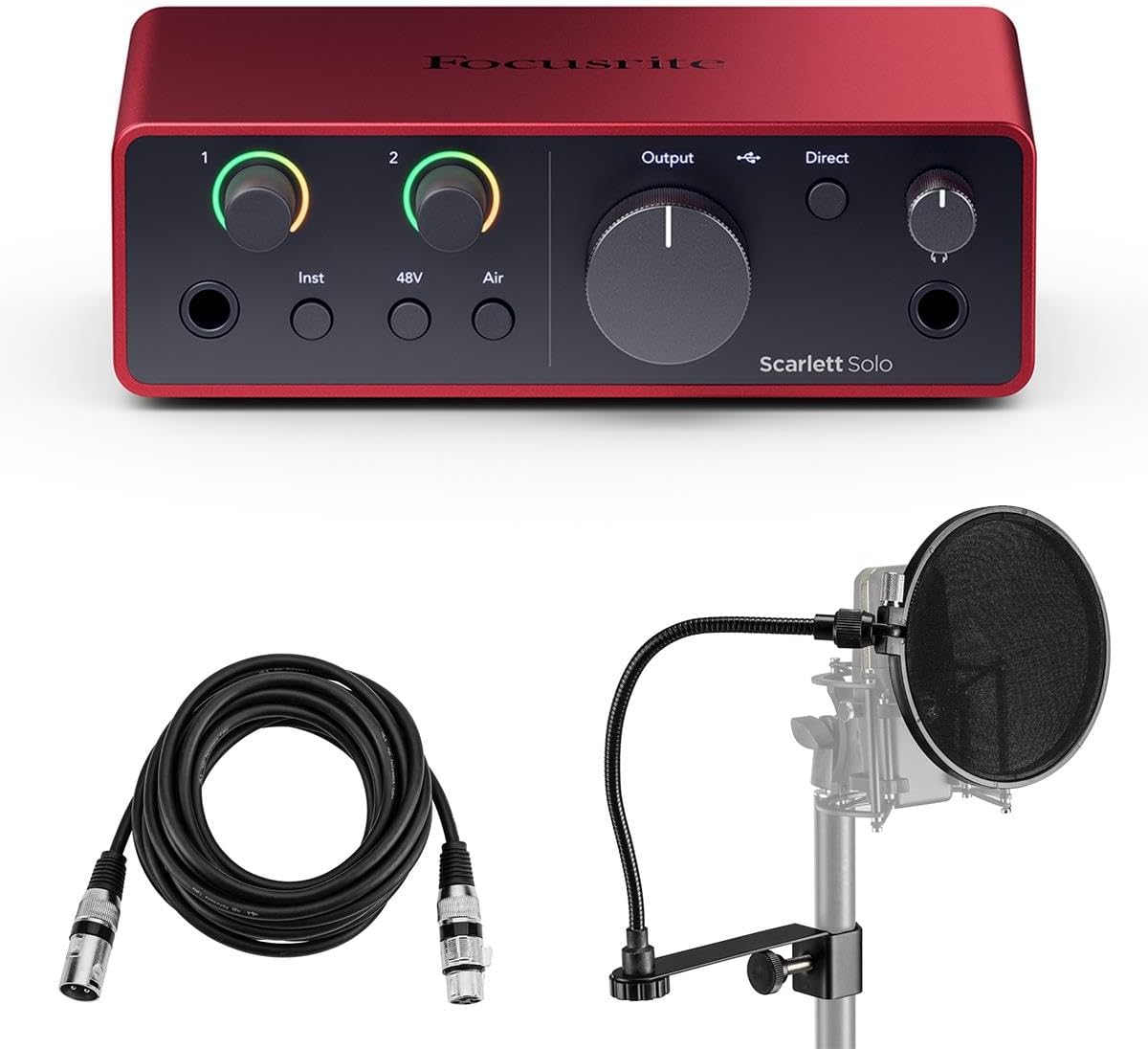
Focusrite Scarlett Solo 4th Gen USB Interface with Software Suite, Bundle With H&A Pop Filter, XLR M to F Cable 10'
A single-input USB audio interface bundle that includes a pop filter, a 10-foot XLR cable, and a software suite. This is the piece that turns an XLR microphone into something your computer can record.
Visit on Amazon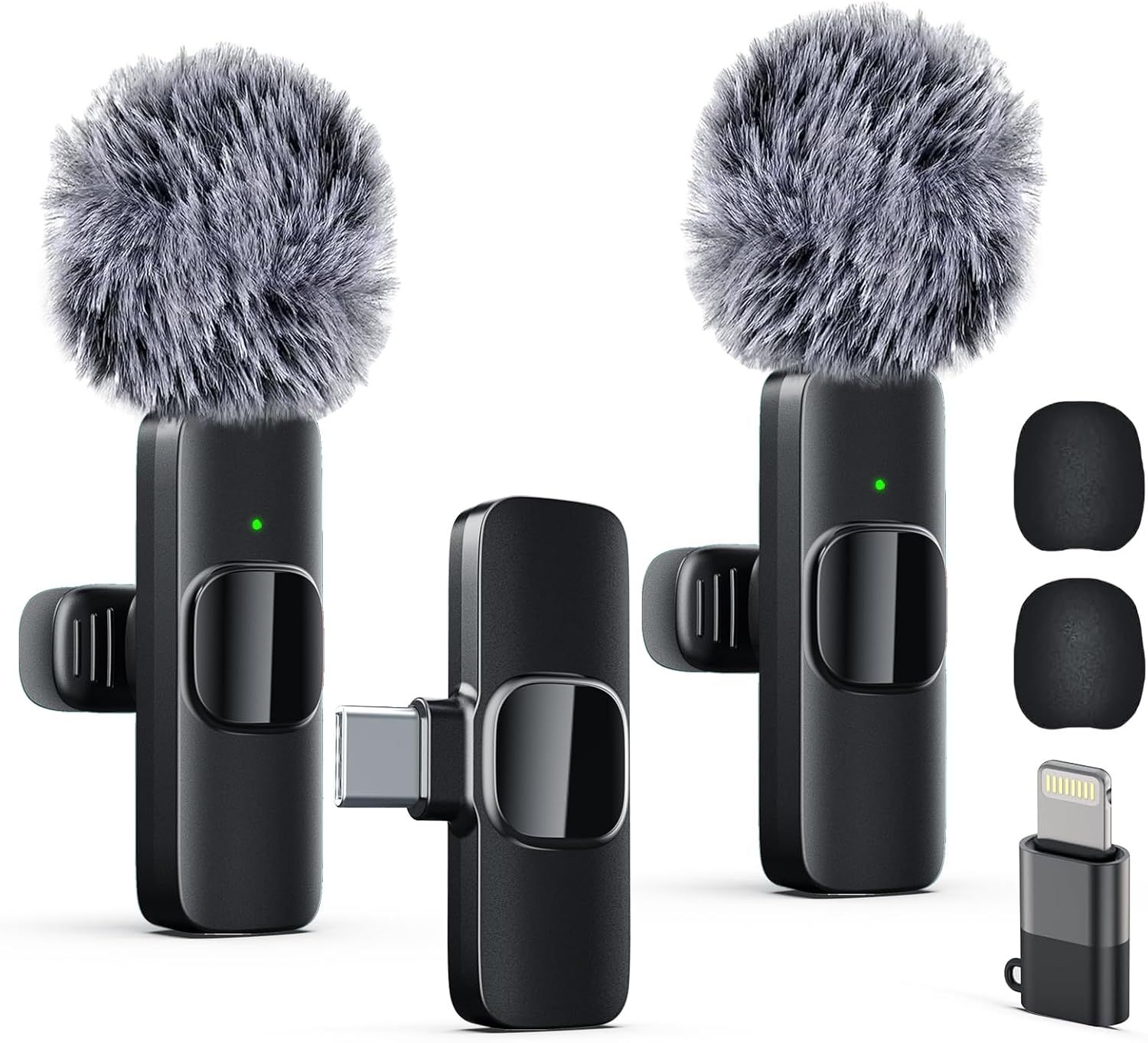
Labstandard Professional Wireless Lavalier Lapel Microphone for iPhone, iPad, mini Video Recording Mic forInterview Video Podcast Vlog YouTube&Livestream, Noise Reduction, Plug &Play
A plug-and-play wireless lavalier aimed at iPhone and iPad recording, with noise reduction built in and use cases listed for interviews, video podcasts, vlogs, YouTube, and livestreaming. The budget entry in this group.
Visit on Amazon
Shure SM81-LC Cardioid Condenser Instrument Microphone
A cardioid condenser instrument microphone. It is the most sensitive and least forgiving option here, built for detailed capture of instruments and sources in a controlled space rather than handheld voice on camera.
Visit on AmazonPrices and availability may change. Check the retailer for current details.
How these products were compared
This guide compares connection type, sensitivity to room sound, how many transmitters or channels each product provides, what is included in the box, and how each product fits a one-person versus a two-person shoot. Product names, images, and retailer links are matched by ASIN so that every card points to the product shown.
Nothing here is presented as hands-on testing. The comparison relies on the published product details for each item and on general audio practice, and manufacturer figures such as range or sample rate are reported as manufacturer claims. This article also does not print current prices, because they move; use the retailer link on each card to confirm the current price and availability before you commit.
How to choose the right microphone
Start with how you shoot, not with how you want to sound. If you move around, film outdoors, hand a subject their own mic, or shoot with a phone in one hand, a wireless kit is the only category that survives contact with a real shoot day. If you sit at a desk in one spot and talk into the same position for an hour, an XLR dynamic microphone plus an interface will give you a more consistent result and a simpler signal path, and it will still work in five years when the batteries in everything else have swollen.
Then match the microphone to the room you actually have, not the room you plan to build. A cardioid condenser like the SM81-LC rewards a treated space and punishes an untreated one, because it captures the reflections as faithfully as it captures the source. A dynamic microphone in the same untreated room gives up a little detail and hands you back a usable take, which is a trade most creators should take without hesitation.
Also think about the whole chain rather than the microphone alone. An XLR microphone needs an interface, and an interface needs a computer, and the computer needs a quiet enough spot that the microphone does not spend its life recording a fan. A pop filter and a decent boom arm will change your recordings more than a small step up the microphone ladder will, because they fix placement and plosives, and placement is the single largest variable in how a voice sounds.
Related: Fix Your Room Before You Buy Another Microphone
DJI Mic Mini (2 TX + 1 RX), Ultralight, Detail-Rich Audio
The DJI Mic Mini is the pick here for a simple reason: it solves the most common creator problem in one box. Two transmitters mean two people, so a two-person interview does not turn into a negotiation about who gets the lav. One receiver means one point of failure on the camera side. And the transmitters are described as ultralight, which matters more than it sounds, because a heavy clip-on pulls at a collar and eventually ends up dangling on a shirtfront in the middle of a take.
The manufacturer describes the audio as detail-rich, and the kit is built for the kind of shooting where you cannot run a cable: walking segments, outdoor pieces to camera, interviews in a location you do not control.
The trade-off is the usual one for wireless. You are dependent on batteries and on a radio link, and you are trusting the receiver's output rather than a microphone you can inspect. If you record in one fixed, reasonably quiet spot every week, a wired dynamic microphone and an interface will outlast this kit and cost less to maintain over a decade. If you shoot in a different place every week, the reverse is true.
Alternatives to consider
The Hollyland Lark M2 Wireless Microphone is better suited to longer shoots and mixed devices, since it is listed with two transmitters, three receivers, and a charging case, along with manufacturer claims of 48kHz/24-bit audio, a 300 m range, noise cancelling, and up to 40 hours of use. Compatibility is listed across iPhone, camera, Android, and PC, which is the practical advantage if your kit is not all one brand. The Shure SM58 Pro Dynamic Vocal Microphone is a stronger fit when you record at a desk, already have an XLR input available, and want a dynamic microphone that arrives with a 25-foot cable and does not care whether its batteries are charged.
The Focusrite Scarlett Solo 4th Gen USB Interface bundle, the Labstandard Professional Wireless Lavalier, and the Shure SM81-LC Cardioid Condenser cover the three remaining situations. The Scarlett Solo is the piece that makes any XLR microphone in this guide usable on a computer, and it ships with a pop filter and a 10-foot XLR cable. The Labstandard lavalier is the phone-first, plug-and-play, budget entry, with noise reduction built in and use cases listed for interviews, video podcasts, vlogs, and livestreaming. The SM81-LC is the specialist: a cardioid condenser instrument microphone for detailed capture in a controlled room, and the one product here that will tell you the truth about your untreated walls.
Day-to-day use and maintenance
The habits that keep these products working are boring and effective. Charge every transmitter and receiver the night before a shoot, not the morning of, and keep the charging case closed and away from loose metal in a bag. Foam windscreens and lavalier clips are the parts that wear out first, so treat them as consumables rather than as permanent parts of the kit. On XLR microphones, coil the cable loosely rather than wrapping it tight around your hand, because a kinked cable is the most common cause of a channel that suddenly hums.
For voice work, placement beats settings every time. Get the microphone off the desk and onto a boom arm, keep the capsule out of the direct path of your breath, and set gain so that normal speech peaks well below the point where the signal distorts. If your interface or camera offers a level control, record a few seconds of the room with nobody talking, so you know what your noise floor actually sounds like before you start editing. That room tone is also useful later if you need to fill a gap.
Finally, keep the microphone you use most in the easiest place to reach. A microphone that lives in a drawer because setup takes ten minutes is a microphone you will not use, and a cheap microphone you use every week beats an expensive one you avoid.
Buying checklist
- Measure the distance from your subject to the camera, and check that the transmitter clip and cable reach comfortably rather than pulling tight.
- Choose the connection type based on your normal shoot, not on the one exception you shoot twice a year.
- Confirm that the exact kit includes the transmitters, receivers, and case you need, since these product lines are often sold in several configurations under similar names.
- Read the cleaning and maintenance instructions, especially for foam windscreens and lavalier clips.
- Verify the current retailer price, availability, and return terms before you buy.
Final recommendation
Choose the DJI Mic Mini (2 TX + 1 RX) when you shoot video on a phone or camera, need two people miked at once, and want the whole chain in one kit. Choose the Shure SM58 Pro Dynamic Vocal Microphone when you record in one fixed spot, already own an XLR input, and would rather not think about batteries. If you fall into that second group and do not yet own an interface, the Focusrite Scarlett Solo 4th Gen bundle is the piece that completes the chain. Reach for the Hollyland Lark M2 when you need more range and multi-device flexibility, the Labstandard lavalier when the phone is your camera and the budget is tight, and the Shure SM81-LC only when you have a controlled room and a source worth capturing in detail.