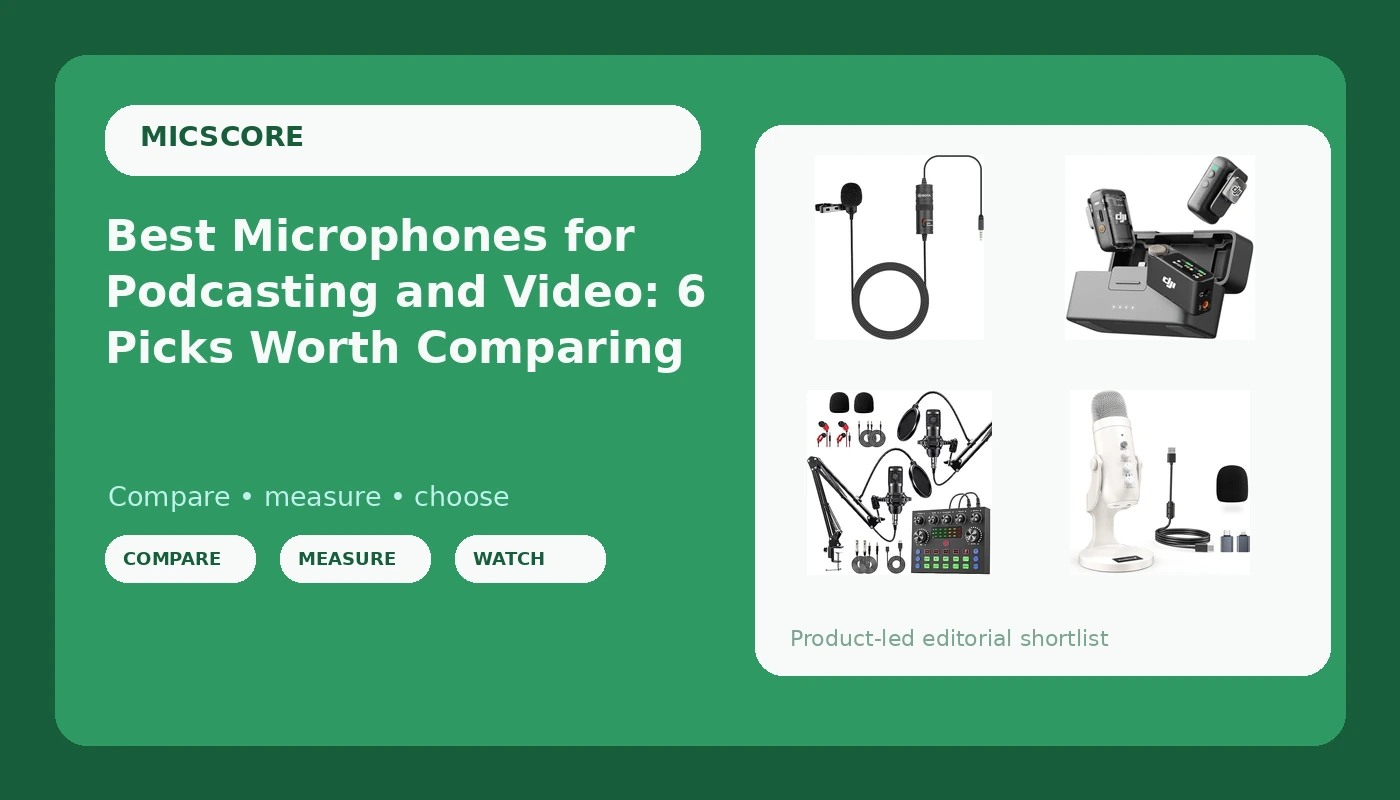
Most people buying a first microphone are solving the wrong problem. They compare frequency response charts while recording in a room with a refrigerator humming two walls away and a laptop fan spinning up every time a browser tab wakes. If you make podcasts, YouTube videos, or short-form clips, the microphone is one link in a chain that starts with the room and the distance between your mouth and the capsule. This guide covers podcast microphones for creators along the two paths that actually exist at the entry level: a wired USB microphone that plugs straight into a computer or phone, and a wireless lavalier system that clips to a collar and cuts the cable. Six options are compared here.
Related: Treat the Room Before You Treat the Microphone
Quick answer
The DJI Mic 2 (2 TX + 1 RX + Charging Case), All-in-one Wireless Microphone is the strongest fit for two-person shoots and untethered recording because it is supplied as an all-in-one wireless kit with two transmitters, one receiver, and a charging case. Choose the ZealSound K66 instead when you record alone at a desk and want gain, mute, and monitoring controls within reach.
Microphones worth comparing
The six options below split into wireless kits and wired USB or analog microphones, which is the first fork most buyers face.
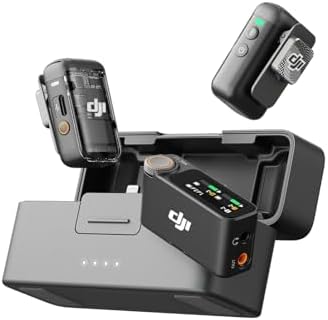
DJI Mic 2 (2 TX + 1 RX + Charging Case), All-in-one Wireless Microphone
An all-in-one wireless microphone kit with two transmitters, one receiver, and a charging case, aimed at creators who record two people or move around on camera.
Visit on Amazon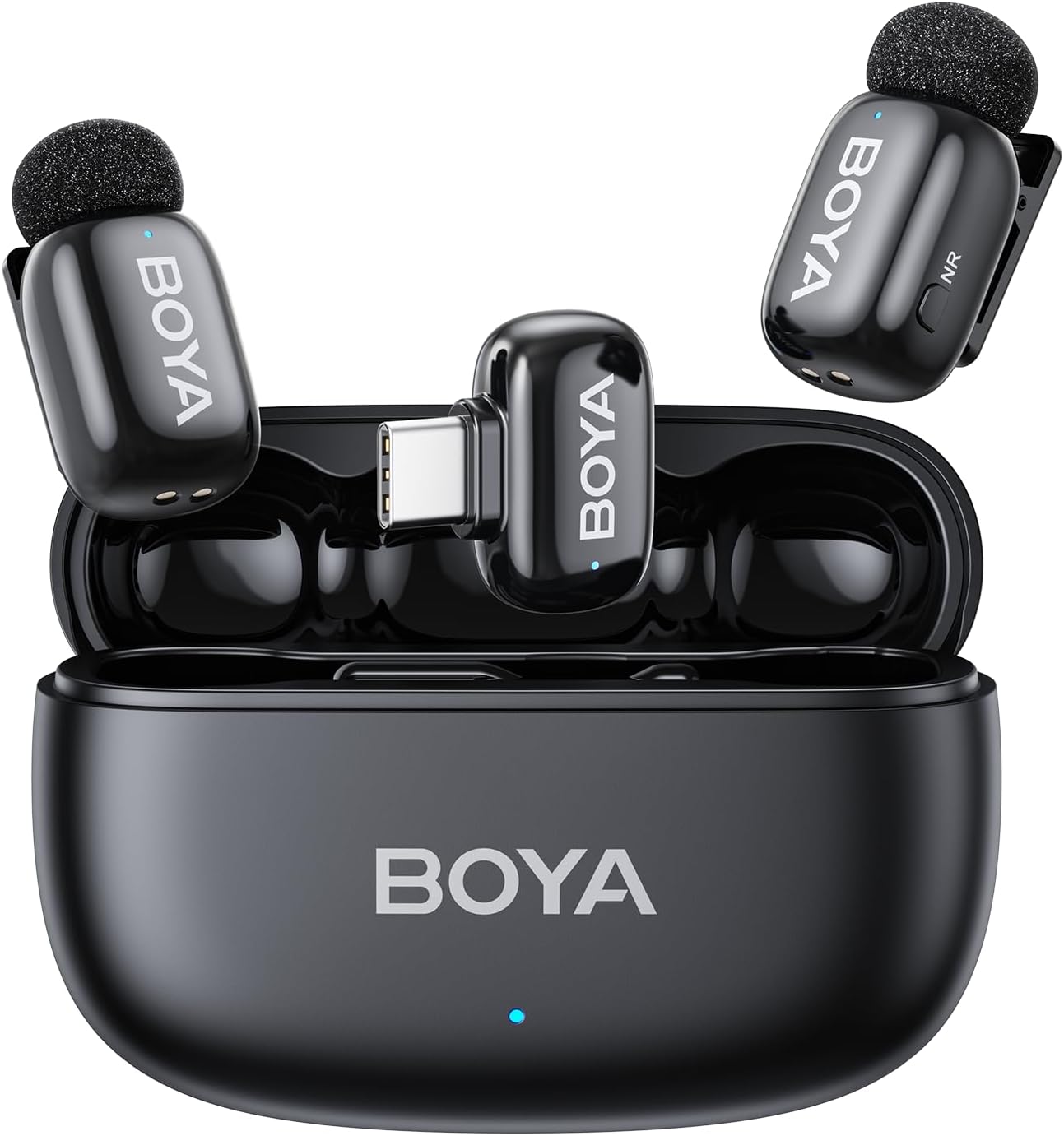
BOYA mini 2 Wireless Lavalier Microphone for iPhone 15/16/17 & Android
A compact wireless lavalier system listed for iPhone 15, 16, and 17 models and Android devices, for clip-on voice capture without a cable running to the camera.
Visit on Amazon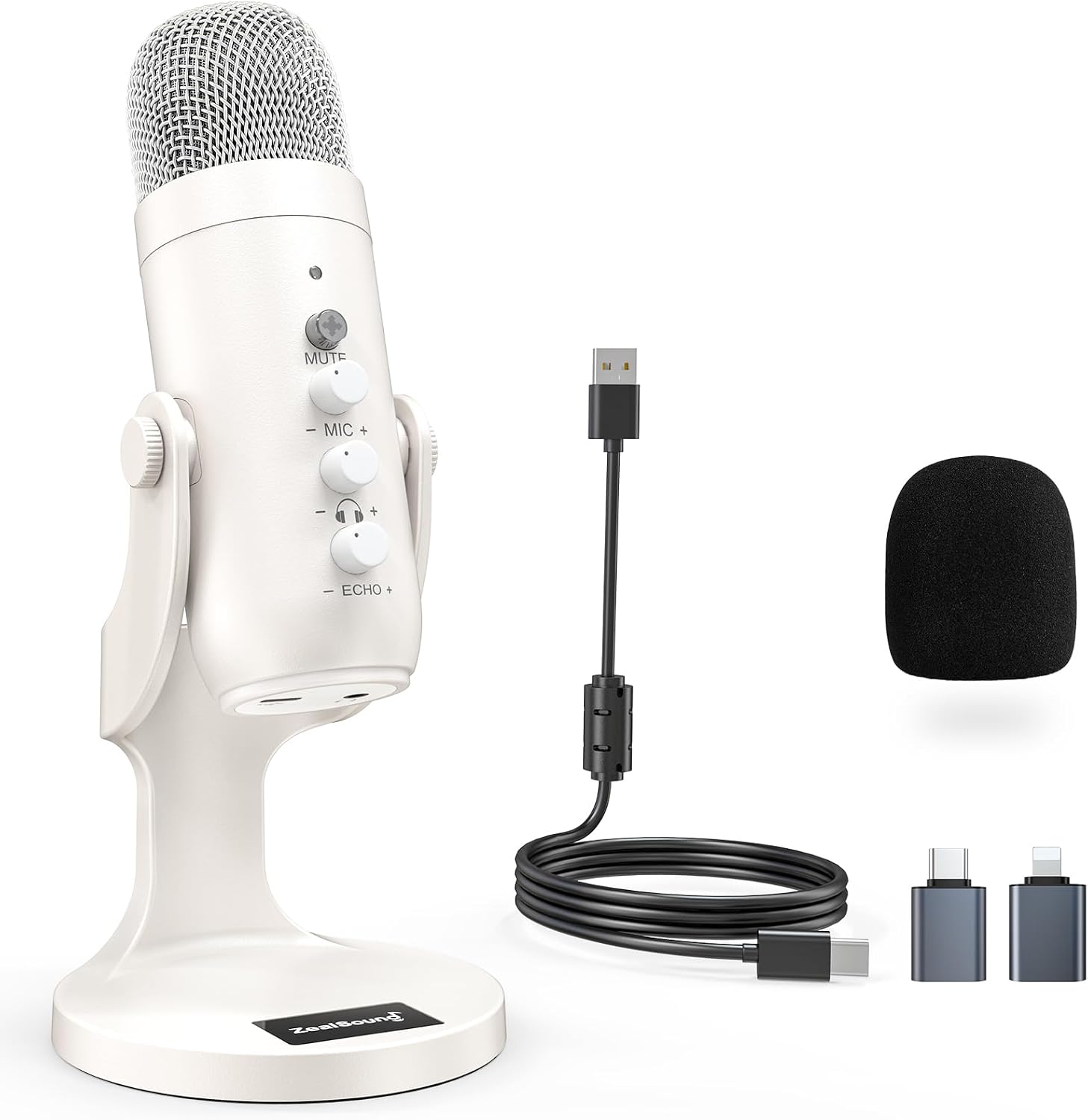
ZealSound Podcast Microphone for iPhone PC & Android, Noise Cancellation Mic with Gain Knob, Volume Adjustment & Mute Button, Monitor & Echo, for ASMR Podcasting Recording YouTube & TikTok - K66 White
A USB microphone for iPhone, PC, and Android that carries a gain knob, volume adjustment, mute button, monitoring, and echo control, finished in white.
Visit on Amazon
BOYA by M1 Collar Microphone for Smartphones Canon Nikon DSLR Cameras Camcorders Audio Recorder PC
A wired collar microphone listed for smartphones, Canon and Nikon DSLR cameras, camcorders, audio recorders, and PCs, so it can follow you across devices.
Visit on Amazon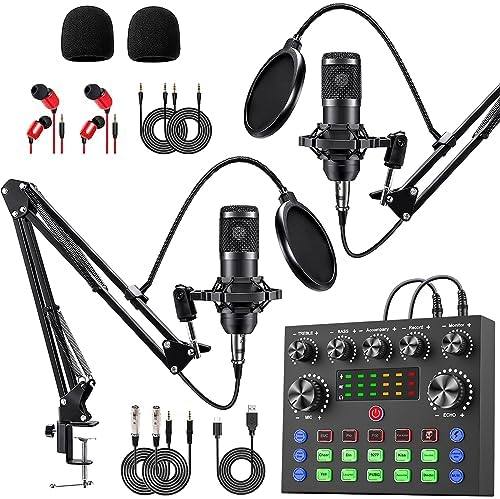
sktome Podcast Equipment Bundle for 2, V8s Voice Changer with BM-800 Podcast Microphone Bundle - Studio Condenser Microphone Perfect for Podcasting, Recording, Singing, Streaming and Gaming
A two-person podcast bundle built around a BM-800 studio condenser microphone and a V8s interface with a voice changer, marketed for podcasting, recording, singing, streaming, and gaming.
Visit on Amazon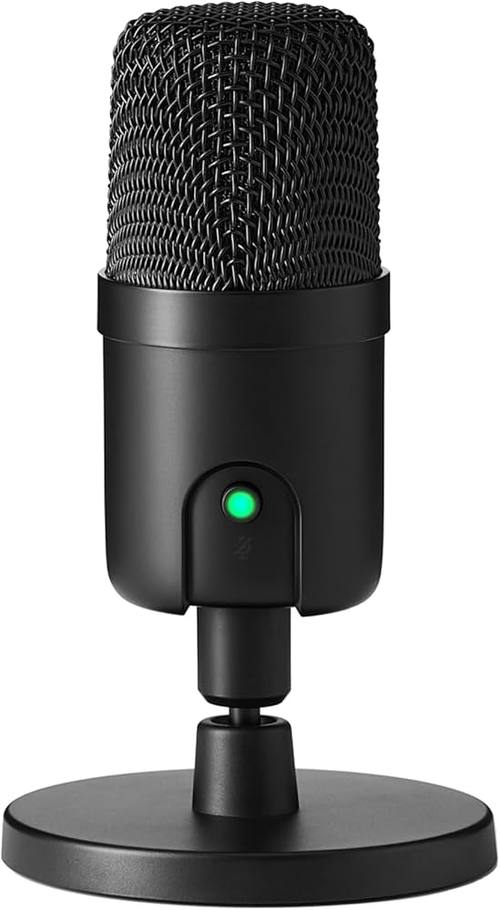
Amazon Basics Condenser Microphone for PC, Cardioid Pickup, USB Mic for Streaming, Recording, and Podcasting, 360° Adjustable Stand, Plug and Play, 5.8" x 3.4", Black
A USB condenser microphone with cardioid pickup, a 360-degree adjustable stand, and plug-and-play operation for streaming, recording, and podcasting.
Visit on AmazonPrices and availability may change. Check the retailer for current details.
How these products were compared
This comparison looks at five things: how each microphone connects (wired USB, wired analog, or a wireless transmitter and receiver pair), the pickup pattern where the listing states one, what is included in the box, the controls that sit on the microphone or receiver itself, and which computers and phones the manufacturer lists as compatible. Names, images, and retailer links are matched to the same listing so that every card points to the product shown.
The notes below come from the product listings rather than from a measured lab bench, so treat them as a starting point rather than a verdict. Prices and stock move, and the retailer page is the only place to confirm what you are actually buying today.
How to choose the right microphone
Start with movement. If the microphone has to travel with you, sit on a collar, or serve two people on camera, a wireless lavalier system removes the cable problem entirely, which is why the DJI Mic 2 kit and the BOYA mini 2 exist. If you record alone at a desk, a USB microphone is simpler: one cable to the computer or phone, no receiver to charge, and no transmitter to clip onto a shirt.
Then count the voices. A bundle or a kit that includes two transmitters or a full two-person set is the practical choice when a second person joins regularly, because adding a second channel later often costs more than buying it up front. That is the whole argument for the sktome bundle and for the two-transmitter DJI kit.
Pickup pattern is the next fork. The Amazon Basics condenser uses a cardioid pattern, which is most sensitive at the front and least at the back, so it will turn down some of what happens behind the microphone. Lavalier and collar microphones sit inches from your mouth instead, which means the room matters less, but placement, clothing rustle, and plosives matter more. A lav clipped to a collar is a proximity play, not a rejection play.
If your room is untreated, be honest about it. A condenser capsule hears the room, the fan, and the street, and no amount of post-processing removes room tone without leaving artifacts behind. Recording closer, lowering gain, and putting something soft behind you does more than any setting in your software. That is the argument in our room-first gear guide, and it holds whether you spend the least or the most on this list.
Finally, check the controls and the connectors. A gain knob and a mute button are worth having if you cannot reach your software mixer mid-session, and monitoring matters if you want to hear yourself the way the recording will sound. On the connector side, confirm the exact model includes the cable or adapter your phone or computer needs, because USB-C, Lightning, and USB-A are not interchangeable.
DJI Mic 2 (2 TX + 1 RX + Charging Case), All-in-one Wireless Microphone
The DJI Mic 2 is supplied as a complete wireless kit: two transmitters, one receiver, and a charging case that keeps the set together and topped up between sessions. For creators who film, interview, or move, that package answers the two questions that trip up most first setups, namely how to get audio from two people and how to do it without a cable tethering anyone to a camera or a desk.
The trade-off is workflow. A wireless kit is not a desk microphone. You clip a transmitter on, you manage a receiver, and you think about where the audio lands, and a lavalier placed on clothing will always be more sensitive to fabric noise than a microphone sitting on a boom arm. If you record alone, seated, and never leave the desk, a USB microphone gets you to the same place with fewer parts to charge and keep track of.
Alternatives to consider
The BOYA mini 2 is better suited to phone-first shooting, since it is listed for iPhone 15, 16, and 17 models and Android devices and clips on without a cable running to the camera. The ZealSound K66 is a stronger fit when you want a single USB microphone for iPhone, PC, or Android with a gain knob, mute button, and monitoring built in, and you would rather adjust levels by hand than in software.
The BOYA by M1, the sktome bundle, and the Amazon Basics condenser cover the rest of the field. The BOYA by M1 is a wired collar microphone listed across smartphones, DSLR cameras, camcorders, audio recorders, and PCs, so it suits someone who moves between devices and does not want to think about batteries. The sktome bundle adds a V8s interface with a voice changer alongside a BM-800 condenser, for a two-person show that wants effects on board rather than in software. The Amazon Basics condenser is the plainest option here: cardioid pickup, a 360-degree adjustable stand, and plug-and-play operation.
Day-to-day use and maintenance
Set your gain before you record, not during the take. Aim for peaks that sit comfortably below clipping, and raise the level afterward if you need to, because a clipped word cannot be repaired. Keep the capsule four to six inches from your mouth and slightly off to one side of your nose so exhaled air passes by rather than into the grille. That single habit does more for plosives than any plugin.
Use a pop filter or foam windscreen, and treat it as a consumable. Foam picks up dust and oils, and it is cheap to replace. Wipe metal and plastic housings with a dry or barely damp cloth, keep liquids away from the grille, and never blow into a condenser microphone to check that it works, because the diaphragm is thin and does not enjoy that kind of pressure.
Wireless systems add a routine. Charge the transmitters, the receiver, and the case after every session, and store them in the case so the set stays together. Check the connection between transmitter and receiver at the start of a recording rather than the middle of one, and keep an eye on the receiver's meter while you talk. If you record on a phone, confirm the adapter is the right one for that phone before you need it, and keep a spare cable in the bag.
Buying checklist
- Measure the desk, boom arm, or camera rig space you have, and check the mount or clip the microphone uses before you commit.
- Choose the connection type, wired USB or wireless, based on how you normally record rather than on the one unusual shoot a year.
- Confirm that the exact model includes the cable, adapter, or case you need for your phone or computer.
- Read the cleaning and maintenance instructions, especially for foam windscreens and charging cases.
- Verify the current retailer price, availability, and return terms.
Final recommendation
Choose the DJI Mic 2 when you record two people, film on the move, or want one kit that covers both without a cable. Choose the ZealSound K66 when you record alone at a desk and want a USB microphone with gain, mute, and monitoring within reach. Choose the BOYA mini 2 for phone-first video, the BOYA by M1 if you move between cameras, recorders, and computers, the sktome bundle if a two-person show with built-in effects is the goal, and the Amazon Basics condenser if you want the simplest possible plug-and-play desk setup. Any of them will sound better in a quiet, soft-furnished room than the best of them will in a bare one.