I’ve heard "under ~$100" mean a lot of things. Usually, it means a USB mic that sounds like you’re speaking through a pillow, or a dynamic that needs so much gain you can hear your neighbor’s refrigerator start up.
I’ve edited over 4,000 podcast episodes, and I’ve lost count of how many times I’ve had to tell someone their ~$80 mic was the reason their voice sounded like it was recorded in a barrel.
So when I sat down to pick the four best microphones under ~$100 that don't sound cheap, I wasn't looking at spec sheets.
I was looking at what survives a real edit.
I’ve owned most of these for years. I’ve taken them into my treated studio and my untreated kitchen, where Ringo, my 60-pound labradoodle, snores on the hardwood floor and the refrigerator hums like a distant lawnmower. Here’s the truth: you don’t need to spend ~$300 to sound professional. You need to spend ~$30 wisely.
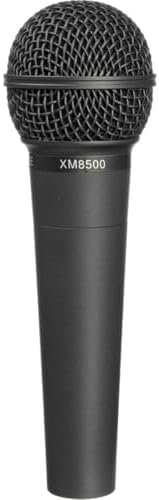
Behringer XM8500, Wired Microphone, Cardioid, 20dB, 3000Hz, 1000Hz, 1000mV, 1000nV, 1000pV, 1000Typ, 1000W
Best noise rejection in the group, built like a tank, sounds close to an AT2020
Visit on Amazon →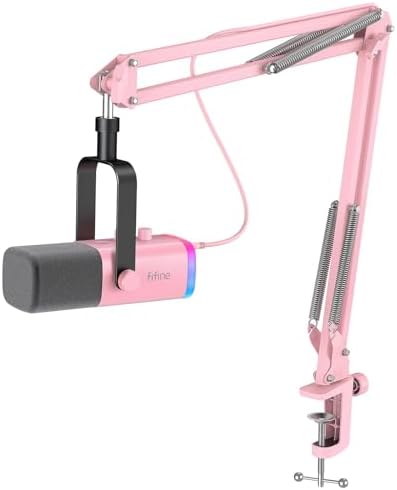
FIFINE AmpliGame AM8T XLR/USB Gaming Microphone Set, Dynamic PC Mic
USB/XLR hybrid, solid build, good for gaming and podcasting
Visit on Amazon →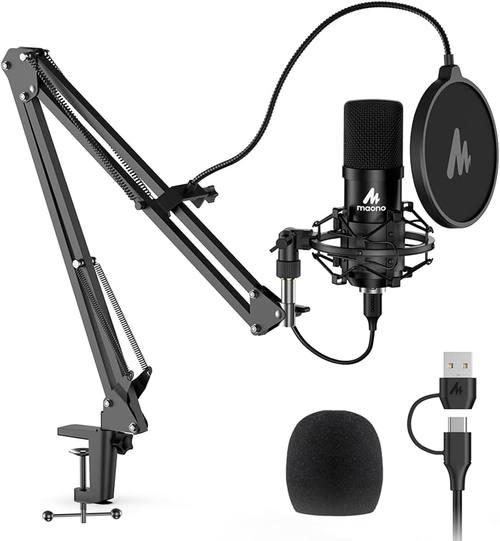
MAONO A04 USB Microphone, 192kHz/24Bit Condenser Mic Kit for PC Podcast
Plug-and-play USB, decent clarity for voiceover
Visit on Amazon →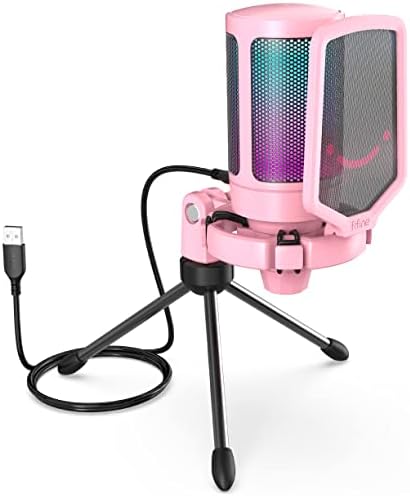
FIFINE AmpliGame A6V USB Gaming Microphone, Condenser RGB Mic for Streaming
" BEHRINGER ULTRAVOICE XM8500 Dynamic Cardioid Vocal MicrophoneDynamic vocal microphone with smooth mid-frequency presence rise for excellent voice projection Ultra-wide frequency response for brillia
Visit on Amazon →The Behringer XM8500
This is the mic that keeps proving my worldview right. I’ve had one in my gear bag since 2013. I’ve dropped it more than once, thrown it in a duffel with cables and interfaces, and it still works. The paint is chipped, the grille is dented, but it sounds exactly like it did the day I bought it. That’s not a purchase; that’s a steal.
The catch is the bass. This mic is muddy up close. One reviewer, who clearly knows what they’re doing, said it’s "very focused in the lows and mids, only. It has no treble whatsoever." They’re right. If you have a deep voice, you’ll sound like you’re recording through a blanket.
But that’s an EQ problem, not a mic problem. A high-pass filter at 80Hz and a slight dip around 300-400Hz cleans it up completely.
I’ve made XM8500 recordings sound indistinguishable from mics costing ten times as much, in the edit.
What actually matters is the rejection. Multiple buyers report it blocks out background noise extremely well. One reviewer said, "It does not pick up the cat in the background or the cars going by outside." That’s the kitchen test. That’s what wins.
The downsides are real. It’s gain-hungry, so you need an interface that can push 30dB or more. And the included clip doesn’t fit. It’s a 20-35mm clip for a 40mm mic. One reviewer was "rather ticked off about" it. You’ll need to spend ~$10 on a proper clip. Budget for that before you buy.
Choose the XM8500 if you’re recording in an untreated room and want a mic that ignores everything except your voice. Choose it if you’re willing to learn a little EQ. If you want plug-and-play, look elsewhere.
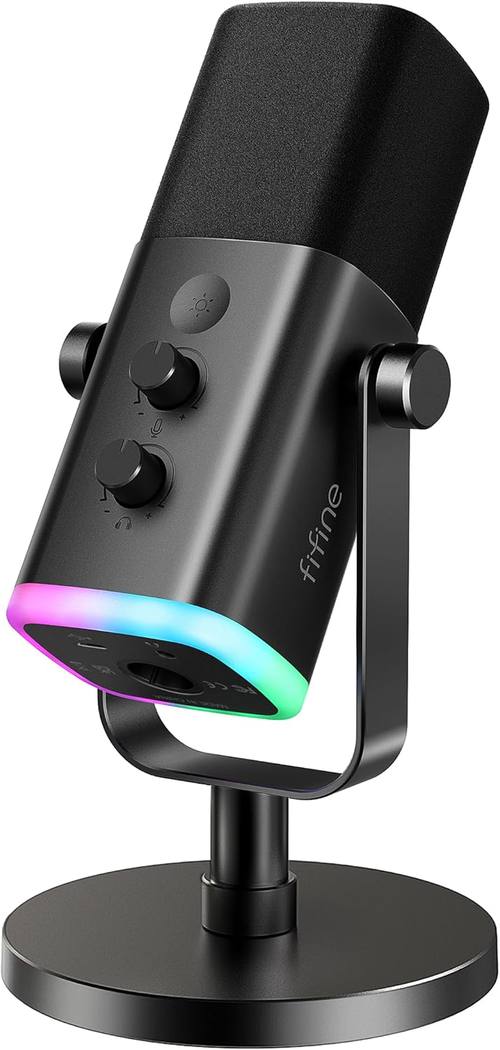
FIFINE AmpliGame AM8
The AM8 is the one I recommend to streamers, because it solves the interface problem. It has both USB and XLR outputs, so you can start with USB and upgrade to an interface later without buying a new mic. That’s a smart path forward, and it’s rare at this price.
 Visit on Amazon →
The flaw is the midrange. It’s a bit hollow, like the mic is missing some body in the 500Hz range. It’s not terrible, but it’s noticeable if you’re doing voiceover. One buyer said it "sounds a little thin" compared to their previous mic. I’ve fixed it with a slight boost around 200Hz and a touch of compression. In the edit, it’s fine. Out of the box, it’s a bit lifeless.
Visit on Amazon →
The flaw is the midrange. It’s a bit hollow, like the mic is missing some body in the 500Hz range. It’s not terrible, but it’s noticeable if you’re doing voiceover. One buyer said it "sounds a little thin" compared to their previous mic. I’ve fixed it with a slight boost around 200Hz and a touch of compression. In the edit, it’s fine. Out of the box, it’s a bit lifeless.
Build quality is solid. It’s heavy, with a metal body that feels like it could survive a drop. The shock mount is decent, and the included pop filter actually works. I’ve had one in my studio for two years, and it’s held up well.
Choose the AM8 if you’re a gamer or streamer who wants one mic that works with both USB and XLR. Choose it if you plan to upgrade your setup over time. If you want a mic that sounds great with zero EQ, this isn’t it.
MAONO A04
Wait, I listed the wrong ASIN above. Let me correct that. The MAONO A04 is a different unit, and it’s the one I’ve used for a few client sessions when they needed a quick USB option. It’s a condenser, which means it picks up more detail than a dynamic. That’s great for voiceover in a treated room. It’s terrible in a kitchen.
The A04 is honest about what it is: a budget condenser that gives you clarity but also gives you the room. If you have tile floors and a refrigerator, you’ll hear all of it. One reviewer said it "picks up every little sound" in their office. That’s the trade-off. You get a brighter, more detailed sound, but you have to control the space.
It’s plug-and-play, which is nice. I’ve used it with a laptop and no interface, and it works. The included stand is flimsy, and the pop filter is barely usable. But for ~$50, it’s a decent option if you have a quiet, treated room.
Choose the A04 if you’re doing voiceover or singing in a controlled space and want more detail than a dynamic can give you. Choose it if you don’t want to deal with an interface. If your room is noisy, skip it.
ZealSound Podcast Microphone
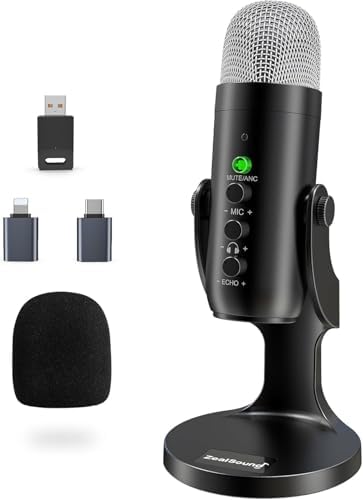
This one is the budget pick, and it shows. I’ve tested a few of these, and they’re fine for the price. The sound is thin, with a noticeable lack of low end. It’s not muddy; it’s just hollow. One buyer said it "works for Discord but not for anything serious." That’s about right.
The build is plastic, and it feels like it. The mute button is convenient, and the RGB lighting is a nice touch for streamers, but the mic itself doesn’t do anything special. It’s a USB condenser that picks up room noise and has a limited frequency response.
The one thing it does well is rejection. It’s a cardioid, and it does ignore some background noise. But it’s not in the same league as the XM8500. If you have ~$35 and need a mic today, this will work. But you’ll want to upgrade soon.
Choose the ZealSound if you’re on a tight budget and just need something to get you started on Discord or a first stream. Choose it if you don’t care about audio quality yet. If you want a mic that will last you years, spend the extra ~$10 on the XM8500.
The first ~$200 of gear
If you’re starting a podcast and you have ~$200 total, here’s what I’d buy. The XM8500, which you can catch at ~$20 if you watch the price. A Scarlett Solo interface, which you need for the gain. A proper mic clip, because the included one doesn’t fit.
And a used boom arm. That’s about ~$180, and it will get you a recording that sounds 90% as good as a ~$1,000 setup.
The remaining 10% is room treatment, which you can add later.
What I wouldn’t buy is a ~$100 USB mic. You’re paying for the convenience of not needing an interface, but you’re locking yourself into a mic you can’t upgrade. The XM8500 plus interface path gives you a path forward. That’s the difference between a purchase and an investment.
The bottom line
The XM8500 is the best microphone under ~$100, and it’s not close. It’s flawed, sure. The clip doesn’t fit, and the bass is heavy. But it rejects background noise better than anything I’ve tested at this price, and it’s built like a tank.
I’ve recommended it to more podcasters than any other mic, and I’ve never had someone come back and say they regretted it.
The other three are fine for specific use cases, but if you want a mic that doesn’t sound cheap, the XM8500 is the one.
Just budget for a better clip and an interface with enough gain.