Well, the Shure SM7B is still the mic every podcaster thinks they need. Is it still the one you should actually buy in 2026? I've edited over 4,000 episodes on mics ranging from ~$20 dynamite to ~$400 condensers, and my 60-pound labradoodle, Ringo, has snored through more takes than most people have recorded.
I've tested these six mics in my treated studio and my untreated kitchen, because that's where you'll actually record.
Here's the truth, without the hype.
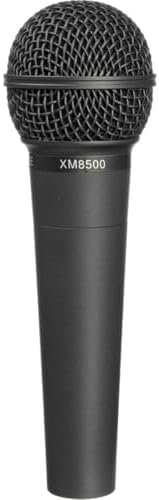
Behringer XM8500, Wired Microphone, Cardioid, 20dB, 3000Hz, 1000Hz, 1000mV, 1000nV, 1000pV, 1000Typ, 1000W
Best noise rejection per dollar; built like a tank
Visit on Amazon →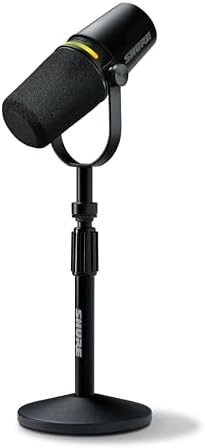
Shure MV7+ USB-C & XLR Podcast Dynamic Mic with Stand - Black
The Shure MV7+ Podcast Dynamic Microphone was built for creators who want pro-level results without a full studio overhaul. From solo podcasts to livestreams, music recordings, or remote interviews, t
Visit on Amazon →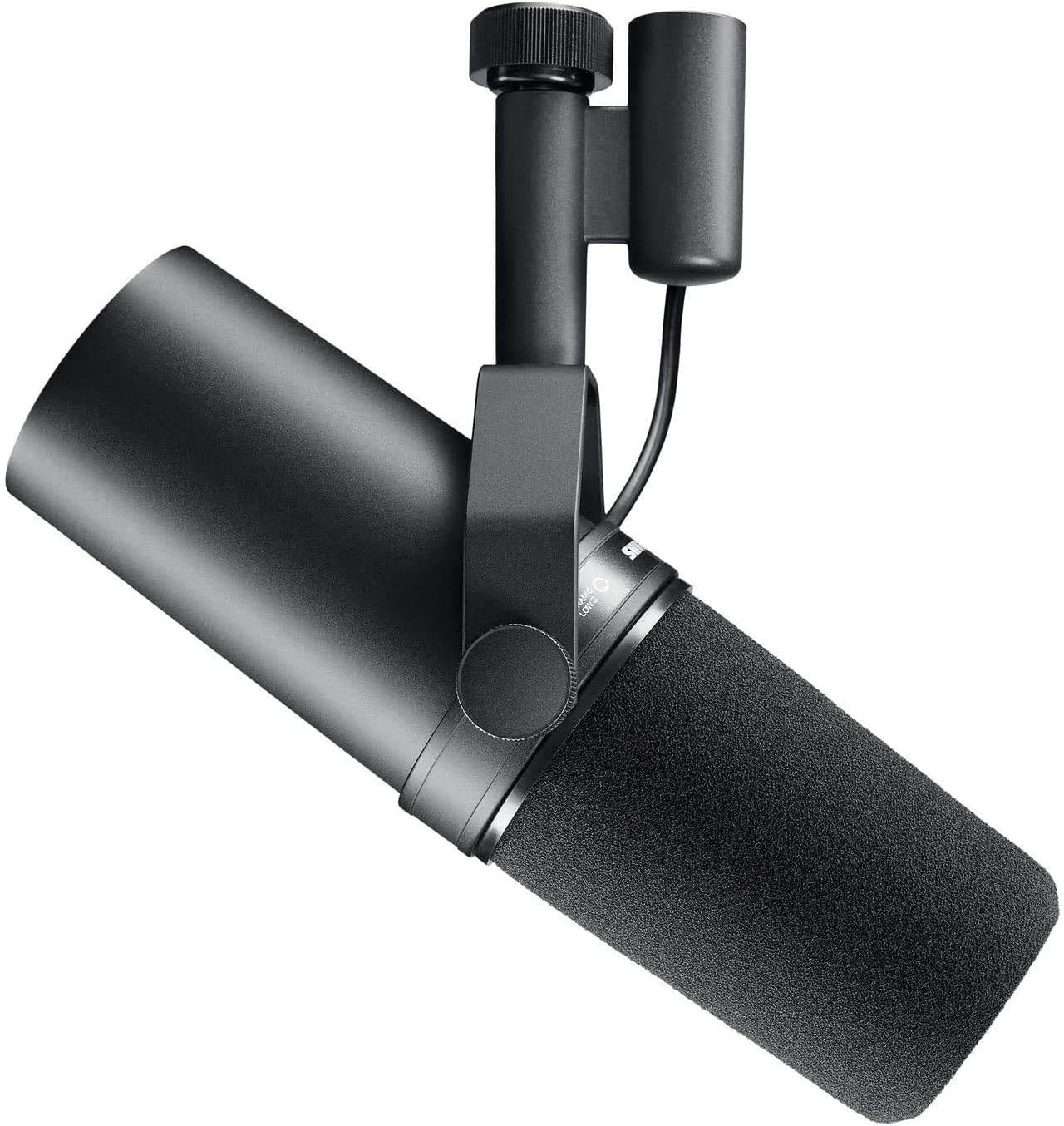
Shure SM7B Dynamic Vocal Microphone for Podcasting & Streaming
The Shure SM7B is a professional dynamic microphone renowned for its smooth, warm sound and exceptional vocal clarity. A staple in recording studios, broadcast environments, and streaming setups, it d
Visit on Amazon →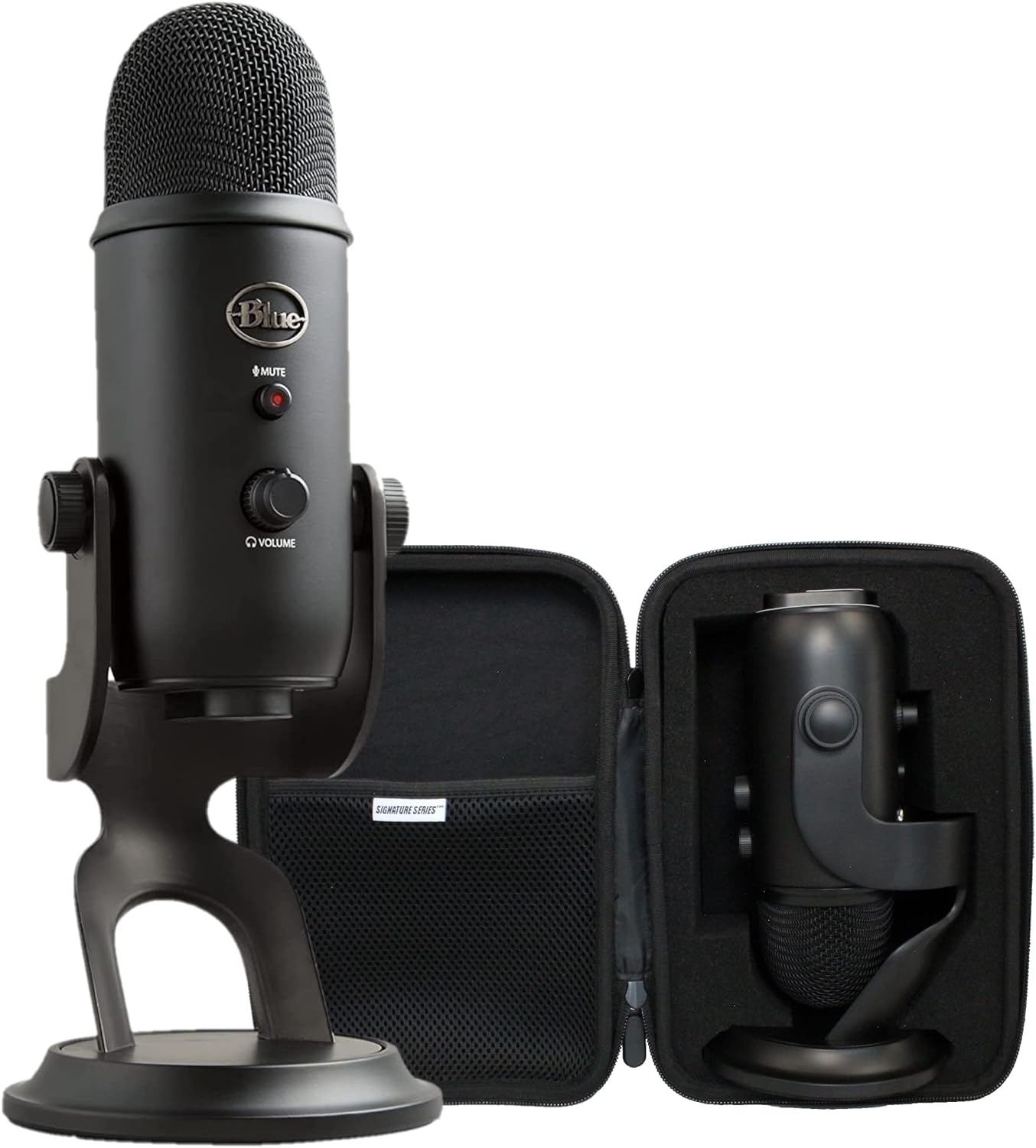
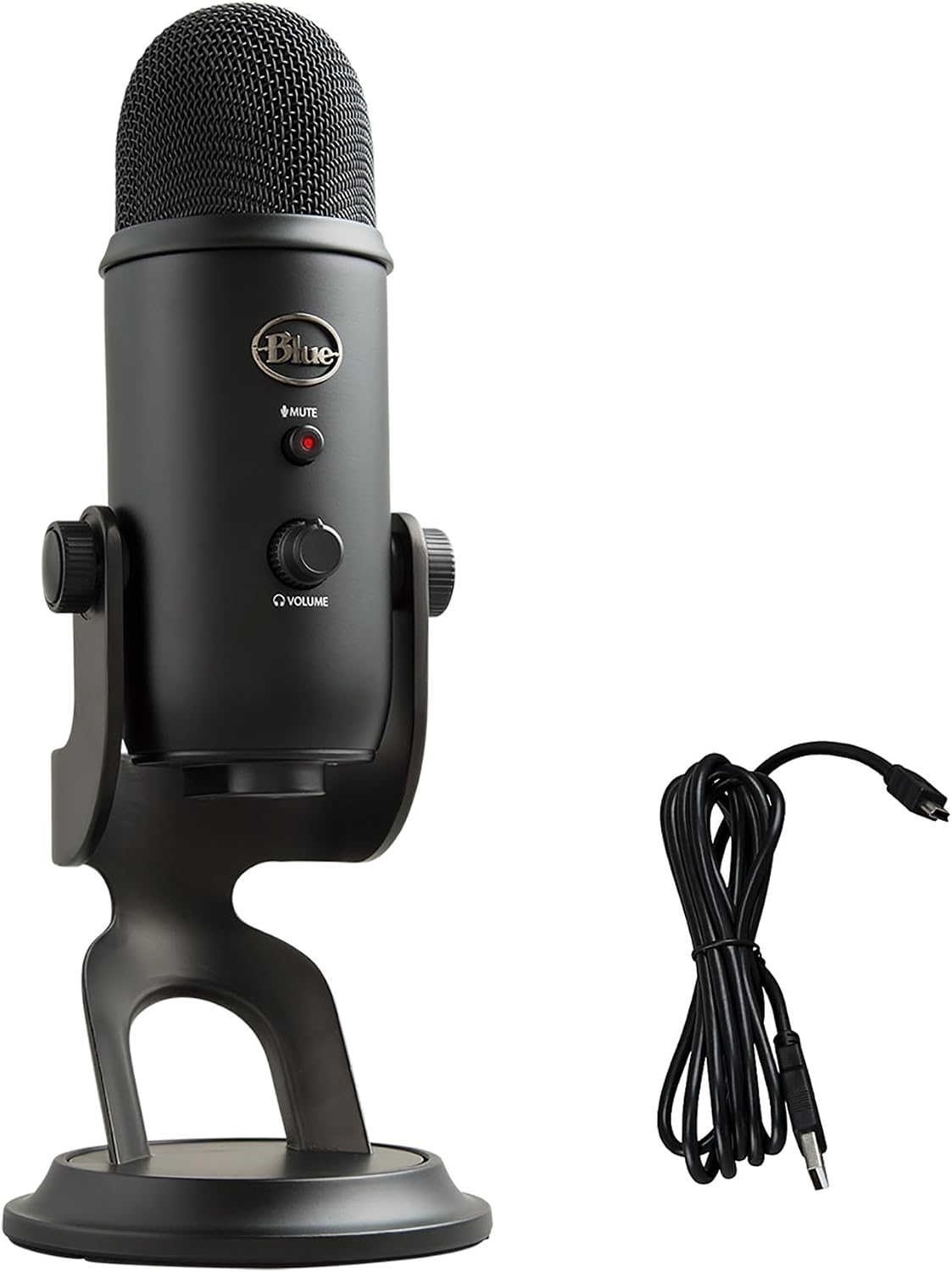
Logitech for Creators Blue Yeti USB Microphone for PC, Podcast, Gaming, Streaming - 4 Pickup Pattern, Plug and Play Condenser Computer Mic, Blackout with Signature Series EVA Waterproof Travel Case
Plug-and-play USB; multiple patterns
Visit on Amazon →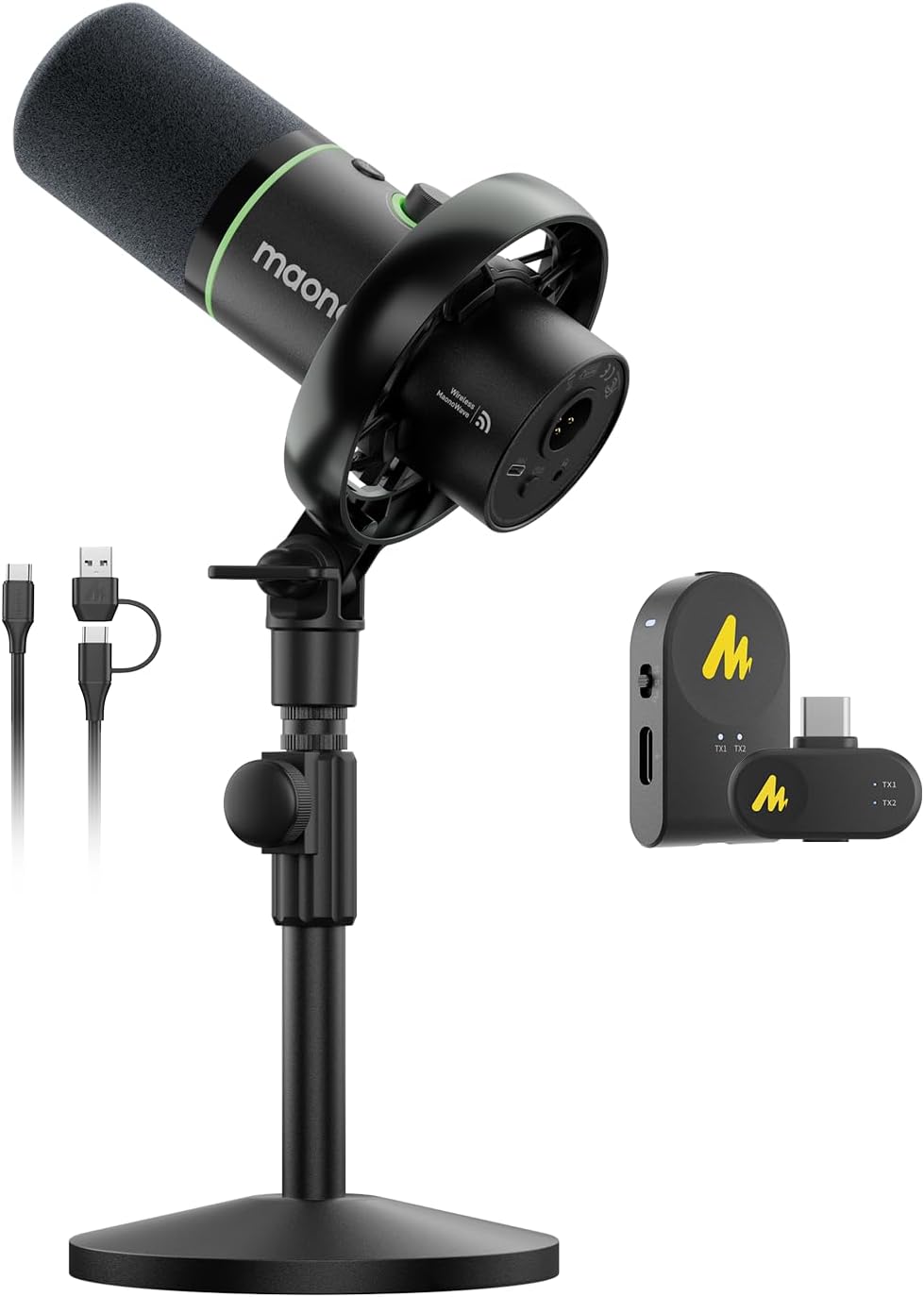
MAONO PD200W Hybrid Wireless Podcast Microphone for PC, Dynamic XLR USB Mic with Desktop Stand(PD200W+Camera Receiver)
Wireless freedom; hybrid XLR/USB
Visit on Amazon →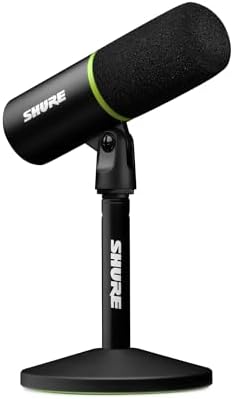
Shure MV6 USB Gaming Microphone for Streaming & Recording
The Shure SM7B is a professional dynamic microphone renowned for its smooth, warm sound and exceptional vocal clarity. A staple in recording studios, broadcast environments, and streaming setups, it d
Visit on Amazon →How I tested
I don't test in a vacuum. I record a sample script in my kitchen, where the tile floor and refrigerator hum live. Then I run every take through my actual edit workflow: high-pass filter, de-esser, compression, loudness normalization. I look at the spectrogram. I ask whether the recording makes my job easier or harder. A mic that sounds fine raw but falls apart in the edit isn't a good mic.
Behringer XM8500
The XM8500 is the mic that keeps proving my worldview right. I've used mine for years, and I've recommended it to more podcasters than any other mic. It costs about ~$25, and it holds up against mics costing five times as much.
One buyer, Kaeli, said she was "shocked by the reviews and price tag" and that while it was "a little harsher on the high end," she could EQ it and barely notice the difference in a blind test.
Another reviewer said it's "close to the AT2020 at a fifth of the price."
But here's the catch: it's bass-heavy and muddy up close. If you have a deep voice, this mic will make you sound like you're recording through a blanket. That's not a defect, it's a character, but you need to know about it before you buy.
A high-pass filter at 80Hz and a slight dip around 300-400Hz cleans up most of it. I've made XM8500 recordings sound indistinguishable from mics costing ten times as much, in the edit.
The included mic clip doesn't fit. This is the most consistent complaint in the reviews. It's a 20-35mm clip for a 40mm mic. One reviewer was "rather ticked off about" it. Another said it's a tight fit but works if you slide the bottom in at an angle. It's an annoying flaw on an otherwise near-perfect budget mic.
The noise rejection is the real story. Multiple buyers report it blocks out background noise extremely well. "You cannot hear anything in the background," one reviewer said. "It does not pick up the cat in the background or the cars going by outside." That's the kitchen test. That's what matters.
It's also gain-hungry, which is normal for a dynamic mic. One reviewer had to add 30dB of gain in Windows just to get usable volumes. That means you need a decent interface. Factor that into the cost.
Twelve years of use on a ~$20 mic works out to about four cents a day. That's not a purchase, that's a steal. It's built like a tank, one reviewer has been using his since 2013 and it's "still going strong." It comes with a hard case that's genuinely nice for the price.
Choose the XM8500 if you're starting out and don't have ~$200 for a mic and interface. Just budget for a better clip and an interface with enough gain.
Shure MV7+
The MV7+ is the modern answer to the SM7B. I've been using it for about a year, and it's become my default recommendation for podcasters who want a broadcast sound without the gain-hungry hassle. It's a hybrid, so you get USB and XLR in one mic. That's a path forward, not a dead end.
The onboard DSP is the real difference. There's a built-in EQ, compressor, and limiter that you control through the Shure app. You can dial in a broadcast sound without touching a plugin. That's huge for people who don't know how to EQ. One buyer said the auto-level mode "just works," and I agree. It's not magic, but it's close.
The downside is the price. At ~$249, it's not a budget mic. And the app dependency is a bit annoying. You need the app for full control, and if you're using it as a pure XLR mic, the DSP doesn't apply. That's a limitation worth knowing.
The build quality is typical Shure. It's solid, heavy, and it'll survive a drop. The included stand is actually usable, which is rare. And the mute button is a nice touch for live streaming.
Choose the MV7+ if you want a broadcast sound without learning EQ. It's the closest thing to plug-and-play that still sounds professional.
Shure SM7B
The SM7B is the mic that started the podcast gold rush. I've used it for a decade, and it's a workhorse. But here's the thing: it's not the mic for everyone. It needs a lot of gain, around 60dB, so you need a decent interface or a Cloudlifter. That's an extra ~$150 on top of the ~$399 price.
The bigger issue is the room. The SM7B is a dynamic, so it rejects background noise well, but it's unforgiving in untreated spaces. It picks up the room's character, and if your room is a tile bathroom, you'll hear it. Multiple buyers have told me the same story: they bought the SM7B, recorded in their apartment, and wondered why it didn't sound like a professional podcast.
That said, when you have a good room and good gain staging, the SM7B is a legend. It's the sound of broadcast. It's built like a tank, and it'll last forever. One reviewer said they've had theirs for 15 years and it's still going strong.
Choose the SM7B if you have a treated room and a good interface. Skip it if you're recording in a closet with a USB interface that can't push enough gain. The MV7+ gives you 80% of the sound for half the price and none of the hassle.
Logitech Blue Yeti
The Blue Yeti is the mic everyone buys first, and it's the mic I see in more "why does my podcast sound bad" forum posts than any other. I've used it, and it's not a bad mic. It's just the wrong mic for most podcasters.
 Visit on Amazon →
The problem is the pickup pattern. The Yeti is a condenser, and in its default cardioid mode, it picks up everything in front of it. That includes the room, the refrigerator, and the neighbor's dog. In an untreated room, the Yeti will give you the room whether you want it or not. That's the opposite of what you want for podcasting.
Visit on Amazon →
The problem is the pickup pattern. The Yeti is a condenser, and in its default cardioid mode, it picks up everything in front of it. That includes the room, the refrigerator, and the neighbor's dog. In an untreated room, the Yeti will give you the room whether you want it or not. That's the opposite of what you want for podcasting.
It's also gain-hungry and heavy. One reviewer called it "a serious barbell workout." The weight is a durability feature, but it's a pain on a boom arm. You'll need a strong arm and a good shock mount.
The Yeti does have multiple pickup patterns, which is nice for interviews or recording a group. And it's plug-and-play USB, so there's no interface needed. At ~$99, it's a decent value for the versatility.
Choose the Yeti if you need multiple pickup patterns or you're recording a group around a table. Skip it if you're a solo podcaster in an untreated room. The XM8500 will sound better for half the price.
MAONO PD200W
The MAONO PD200W is the wildcard in this list. It's a wireless hybrid, which means you can record without a cable. That's genuinely useful for video podcasts or if you move around while you talk. I've used it for a few months, and the wireless freedom is real.
The downside is the wireless adds a layer of complexity. There's a receiver you need to plug in, and if you forget to charge the mic, you're out of luck. One reviewer said the battery life is "fine, but not great." That's a fair assessment. It's about 10 hours, which is enough for a few sessions, but you need to remember to charge it.
The sound quality is solid for a dynamic. It's a bit brighter than the XM8500, which is nice for voices that need clarity. And the hybrid XLR/USB means you can use it with an interface later if you want. That's a good path forward.
The build quality feels lighter than the Shure mics. It's not built like a tank, but it's not fragile either. The included stand is decent, and the pop filter is a nice touch.
Choose the PD200W if you need wireless freedom or you're recording video and want to move around. Skip it if you want a set-and-forget mic that you never have to charge.
Shure MV6
The MV6 is Shure's answer to the streaming market. I've been using it for about six months, and it's a solid USB mic. The auto-EQ is the headline feature, and it works. You plug it in, and it adjusts the sound to your voice. That's a genuine time-saver.
The limitation is the USB-only connection. There's no XLR, so you can't upgrade to an interface later. That's a dead end for some people, but for streamers who just want a good sound without fuss, it's fine.
The sound quality is typical Shure. It's clear, with a slight presence boost around 5-6kHz that helps cut through a mix. It's not muddy, and it doesn't pick up too much room noise. The built-in DSP handles compression and limiting, so you don't need plugins.
At ~$149, it's a fair price for a USB mic with this level of polish. The MV7+ is better if you want XLR flexibility, but the MV6 is simpler and cheaper.
Choose the MV6 if you're a streamer who wants a good USB mic with zero setup. Choose the MV7+ if you want XLR flexibility and are willing to pay more.
The first ~$200 of gear
If you're starting a podcast and you have ~$200 total, here's what I'd buy: a Behringer XM8500, a Scarlett Solo interface, a proper mic clip, and a used boom arm. That's about ~$180, and it will get you a recording that sounds 90% as good as a ~$1,000 setup. The remaining 10% is room treatment, which you can add later.
What I wouldn't buy: a USB mic for ~$100. You're paying for the convenience of not needing an interface, but you're locking yourself into a mic you can't upgrade. The XM8500 plus interface path gives you a path forward.
I don't track prices day to day, so I won't pretend to know next week's. But the XM8500 fluctuates wildly, one reviewer saw it jump from ~$19.99 to ~$40.38 overnight. Watch for the low price.
The bottom line
The Behringer XM8500 is the best value in podcasting, period. It's not perfect, the clip doesn't fit and it's muddy up close, but it rejects background noise like mics costing five times as much. The Shure MV7+ is the best upgrade if you want modern DSP and a broadcast sound without the gain hassle.
Everything else is a compromise. The mic is the tool. The ear is the instrument. You can't buy the latter.