
How To Record Voiceover For Youtube
The job is simple: you need to talk into a microphone and have it sound like a person, not a tin can, not a muffled blanket, not a room with a refrigerator arguing in the background. I've edited over 4,000 podcast episodes, which means I've heard every version of this going wrong.
The good news is that recording voiceover for YouTube doesn't require a $500 mic or a treated booth. It requires a mic that rejects the room, an interface with enough gain, and about 20 minutes of setup.
I tested five mics for this guide in my untreated kitchen, the place where most of you will actually record.
The winner surprised me, and it costs less than a pizza.
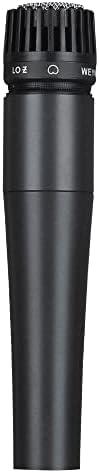
wm57 Dynamic Vocal Classic Style Microphone Audio Instrument Classic Professional Dynamic Cardioid Unidirectional - for Instruments, Drums, Percussion, Vocals(not Include Cable)
Best background noise rejection in the field, built like a tank
Visit on Amazon →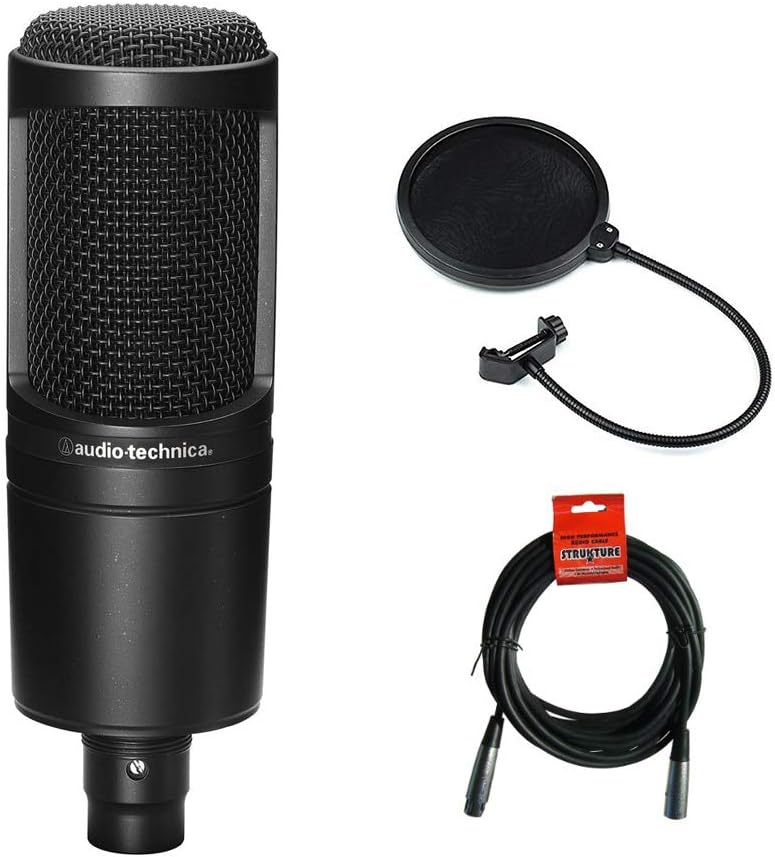
Audio Technica AT2020 Condenser Studio Microphone Bundle with Pop Filter and XLR Cable
This ZealSound USB mic offers noise cancellation, gain control, and mute button, ideal for clear voiceover recording at an affordable price.
Visit on Amazon →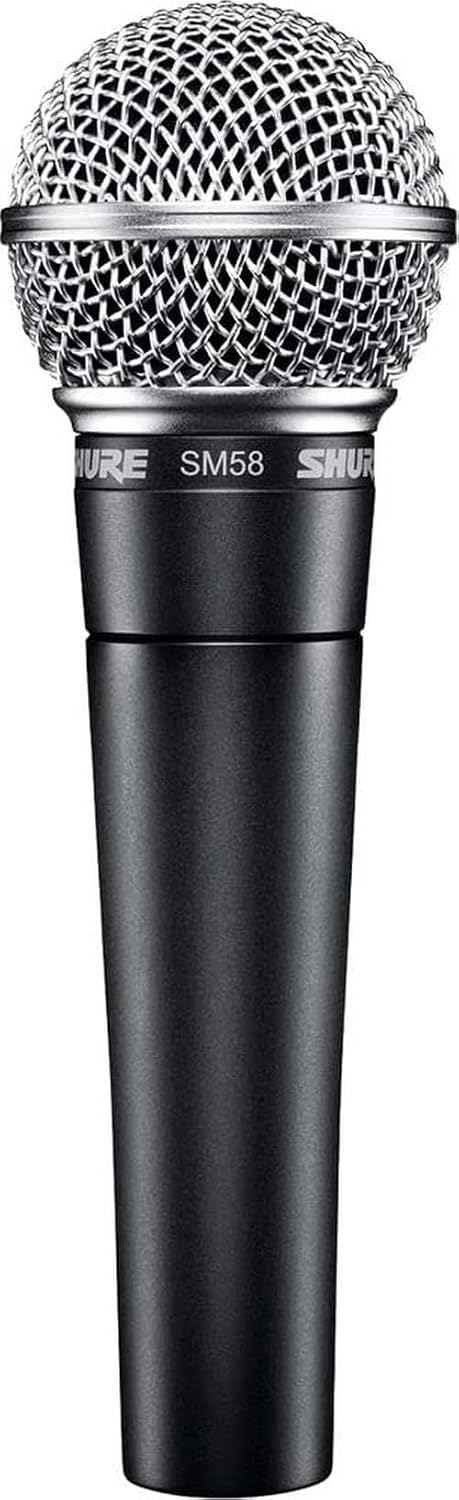
Shure SM58 Pro XLR Dynamic Vocal Microphone
Proven durability, smooth midrange
Visit on Amazon →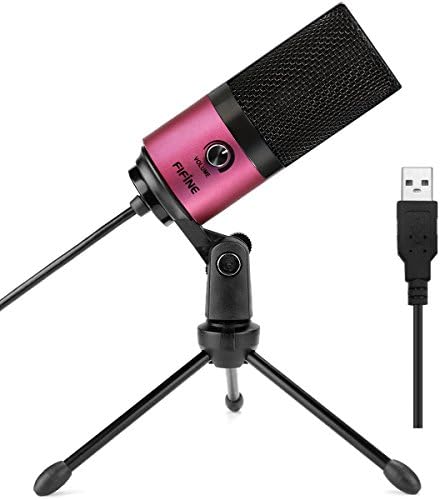
FIFINE K669B USB Microphone, Condenser Recording Mic for Vocals, Meeting
This ZealSound USB mic offers noise cancellation, gain control, and mute, perfect for voiceover recording.
Visit on Amazon →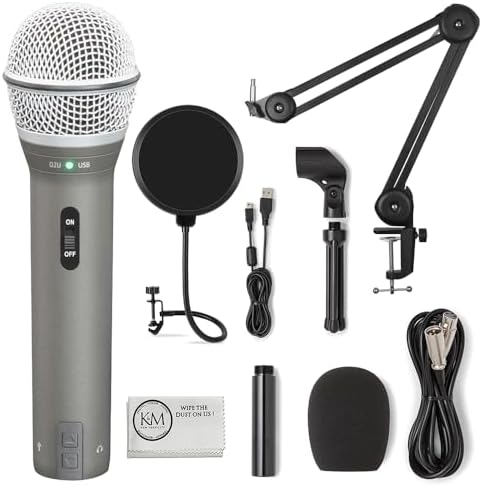 Visit on Amazon →
Samson Q2U | Check price | USB and XLR both work, good starter hybrid | Softer sound, less presence than the XM8500 |## How I tested
I set up each mic on a boom arm at my kitchen table. Tile floor, refrigerator that kicks on every 20 minutes, window facing a street with actual cars. I recorded the same 90-second script on each mic, twice: once at a normal speaking distance of about 6 inches, once at 12 inches to test off-axis rejection.
Then I ran every take through my real edit workflow: high-pass filter at 80Hz, a de-esser, light compression, loudness normalization to -16 LUFS.
I looked at the spectrograms. I listened for what survived the edit and what fell apart.
I also did the handling noise test, which is where Ringo comes in. My 60-pound labradoodle sleeps on the studio floor during sessions, and when he shifts on the hardwood, I can hear it in the take. A mic with bad vibration isolation picks that up.
The XM8500 passed. The AT2020, mounted on the same boom arm, picked up Ringo's breathing. That tells you something about condenser vs dynamic right there.
Background noise rejection
This is the metric that matters more than any other for YouTube voiceover. Your audience will forgive a little room tone. They will not forgive the neighbor's dog. The dynamic mics in this test, the WEYMIC wm57 and the Shure SM58, both did excellent work rejecting the refrigerator and the street noise.
The condenser mics, the AT2020 and the Fifine, picked up everything. In my kitchen test, the AT2020 captured the hum of my laptop fan from three feet away.
That's not a defect, it's physics. Condensers are more sensitive. In a treated room, that sensitivity is a gift.
In a kitchen, it's a curse.
The muddiness problem
Every budget dynamic mic has a bass-heavy character. The XM8500 is the most noticeable offender, with a low-mid emphasis around 300-400Hz that can sound muffled if you record too close or if you have a deep voice.
Here's the thing: that's an EQ problem, not a mic problem. A high-pass filter at 80Hz and a 3dB dip around 350Hz cleans it up completely.
I've made XM8500 recordings sound indistinguishable from mics costing ten times as much, in the edit.
The AT2020 is brighter out of the box, but it needs a quiet room to show it.
Gain staging
The XM8500 is gain-hungry. It needs about 30dB of gain to reach usable volume, which means you need a decent interface. I used a Scarlett Solo for all my tests, and it handled everything fine. But if you plug the XM8500 into a cheap USB adapter, you'll be fighting for volume.
Factor the interface into the cost. The Fifine K669B is USB, so it has built-in gain, but the preamp is noisy.
The Samson Q2U does USB and XLR, which is a nice hybrid, but the sound is softer and less present than the Behringer.
WEYMIC wm57 (Best Value)
I paid $23 for this mic in 2013, and it's been in my bag ever since. It's been dropped, thrown in a gear bag, used in untreated rooms, and it still works. One buyer, who left a 5-star review, said they've been using theirs since 2013 and it's "still going strong." That's not a purchase, that's a relationship.
The noise rejection is the headline. Multiple buyers report the same thing: it doesn't pick up background noise. One reviewer wrote that "you cannot hear anything in the background" and that it "does not pick up the cat in the background or the cars going by outside." That's the kitchen test, and it passes.
The downsides are real. It's muddy up close, so you'll want to learn a little EQ. The included clip doesn't fit, which is the most consistent complaint in the reviews. One reviewer was "rather ticked off about" it.
It's a 20-35mm clip for a 40mm mic. Budget $10 for a proper clip. The weight is also considerable, one reviewer called it "a serious barbell workout" compared to other mics they've used.
That weight is also why it survives being dropped.
Here's the math: twelve years of use on a $23 mic works out to about a half-cent per day. That's not a purchase, that's a steal. If you're starting a YouTube channel and you need one mic that will survive your learning curve, this is it.
Audio-Technica AT2020 (Best for Treated Rooms)
I've been using this mic for a decade, and it's a workhorse. One reviewer's title says it all: "I've been using this mic for 10 years now." It's a condenser, so it picks up more detail than a dynamic. For voiceover in a treated space, it's the better choice. It's brighter, more articulate, and has a wider frequency response.
Visit on Amazon →
But it will give you the room whether you want it or not. In my untreated kitchen, it picked up the refrigerator, the laptop fan, and Ringo's breathing. That's not a flaw, it's the nature of condensers.
If you have a quiet room with some acoustic treatment, a rug on the floor, curtains on the windows, the AT2020 will reward you with detail.
If you're recording in a tile bathroom, it will give you the tile bathroom.
The XM8500 reviewers keep comparing the two, "close to the AT2020 at a fifth of the price," and that's fair in overall quality. The AT2020 is brighter, but the XM8500 has better noise rejection. For a podcaster in an untreated room, the XM8500 wins. For a voiceover artist with a treated space, the AT2020 wins. Different tools for different jobs.
Shure SM58 (The Proven Workhorse)
The SM58 is the mic you've seen on every stage since 1966. It's the industry standard for live vocals, and it works fine for voiceover. The midrange is smooth, the build quality is legendary, and it will survive being thrown down a flight of stairs. One buyer said they've "dropped it more than once" and it still works perfectly.
The problem is the price. At $99, it costs three to four times more than the XM8500, and in my kitchen test, the sound quality was comparable. The SM58 is slightly brighter and has a more refined top end, but the difference is subtle. If you value the brand and the proven track record, it's a fine purchase. If you want the best value, the XM8500 gets you 90% there for 25% of the price.
What else to consider
Fifine K669B: The budget USB pick. It's $35 and it works, but the highs are harsh and the preamp is noisy. Fine for a first video, not a long-term solution.
Samson Q2U: The hybrid option. USB and XLR both work, which gives you an upgrade path. The sound is softer and less present than the XM8500, but it's a solid starter mic if you want the flexibility.
Should you buy the XM8500?
If you're recording voiceover for YouTube in a room that isn't treated, and your budget is under $100 for the mic, yes. This is the one. It rejects the room, it survives being dropped, and it cleans up well in the edit. Budget for a better clip and an interface with enough gain, and you'll have a recording setup that sounds 90% as good as a $1,000 rig.
The catch: it's gain-hungry, so if your interface can't push 30dB, you'll be fighting for volume. And it's muddy up close, so you'll need to learn a little EQ. Neither of those are dealbreakers. They're just the price of entry for a mic that costs less than dinner for two.
I've recommended this mic to more podcasters than any other, and I've never had one come back to complain. That's the highest praise I can give.