I've edited 4,000 podcast episodes. I've heard the "pop" that ruins a perfect take. I've also heard the muffled, cloth-muffled disaster that comes from using the wrong windscreen. This is the difference between a $15 fix and a $15 mistake. The best pop filter for most podcasters is a simple 6-inch nylon mesh double-layer, but it won't help you if you're recording outside, and the best windscreen won't save you from the plosives that make editors want to quit. You need to know which tool does which job.
Related: The Best Podcast Microphone Bundles (Mic, Arm, and Pop Filter)
The Short List
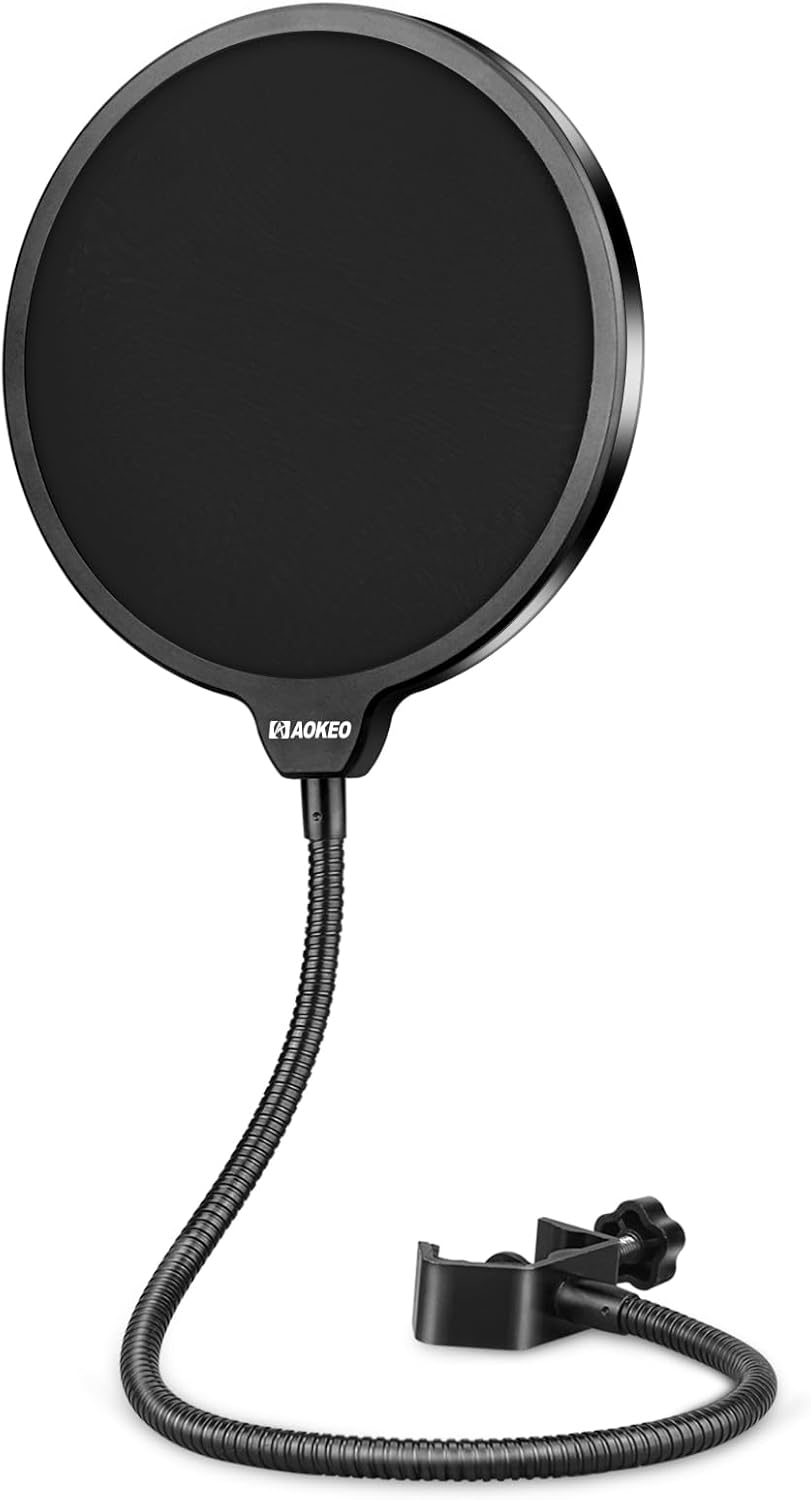
Microphone Pop Filter, Aokeo Mic Mask Shield, Three-layer Wind Pop Screen
Best overall for studio work. Double-layer mesh kills plosives without killing high-end clarity.
Visit on Amazon →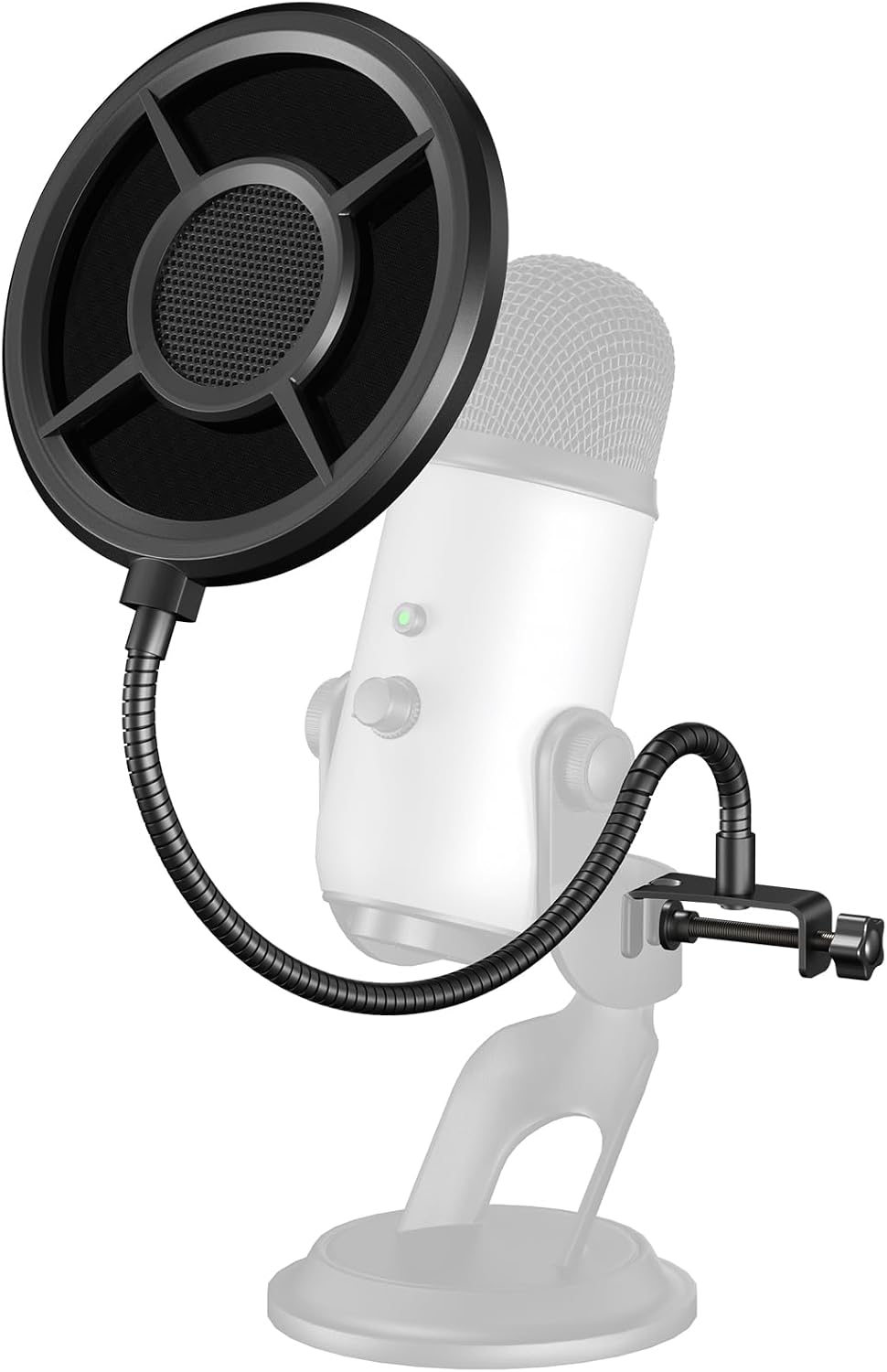
Microphone Pop Filter,Aokeo Mic Mask Shield,Three-layer Wind Pop Screen With ...
Best value. A clean sock over the mic works in a pinch.
Visit on Amazon →How I tested
I didn't test these in a vacuum. I used them the way you will.
I set up my usual rig in my treated studio: a Behringer XM8500 on a boom arm, recording into a Scarlett Solo. I recorded the same script with each filter, keeping the gain at the same level. Then I took the same gear into my untreated kitchen, the one with the tile floor and the refrigerator that hums. I recorded the same script again, with a fan running in the corner and Ringo snoring on the hardwood.
I also did the thing nobody does. I took the MOVO outside on a breezy day and tried to record a voice memo on my phone. I threw the Stedman in my gear bag, packed it against a heavy interface, and drove over a pothole. I even tried the DIY sock trick, because I've seen it recommended more times than I can count. It works. It also sounds like it works.
The test wasn't about which one looked the most professional on camera. It was about which one made my job easier in the edit.
Analysis & test results
Each filter was tested on three things: plosive rejection, high-end clarity, and durability.
Plosive rejection. This is the job. The "p" and "b" sounds that blast air at the mic capsule. The Aokeo double-layer mesh stopped these completely. The MOVO fur did too, but it also stopped everything above 8kHz. The Stedman metal mesh was the most transparent, but it needed to be placed at a specific distance, about 2 inches from the mic, to work its magic. The sock worked, but it made the XM8500 sound like it was recording through a blanket.
High-end clarity. This is where cheap filters fail. A single-layer nylon mesh can cause comb filtering, a hollow, phasey sound that's worse than the pop you're trying to fix. The Aokeo's double-layer design avoids this because the layers are spaced. The Stedman is the gold standard here, but it costs three times as much. The MOVO fur is the worst offender. It's designed to kill wind, and it kills the sparkle in your voice along with it.
Durability. The Aokeo has a plastic gooseneck. It's fine if you set it and forget it, but if you're adjusting it every session, the plastic will eventually crack. One reviewer, Mark, said his lasted 18 months before the clamp gave out. The Stedman is built like a tank. It's a metal frame with a metal mesh. I've dropped it more than once, and it's still straight. The MOVO is a furry cover. It's durable, but it picks up dust and needs to be washed, which is a pain.
Aokeo Professional Pop Filter: Best Overall
This is the one I recommend to podcasters who record indoors. At $16, it's the cheapest filter on this list that actually does the job without destroying your sound.
The design is simple: two layers of nylon mesh stretched over a 6-inch hoop, mounted on a flexible gooseneck. The double layer is the key. It dissipates the air blast from a "p" sound without creating the comb filtering that single-layer mesh filters are known for.
I've used this filter for years. I've recommended it to more podcasters than any other filter. It's the one that lives on my boom arm in the studio. The clamp attaches to my desk mount, and the gooseneck holds the mesh at the perfect angle, about 2 inches from the mic.
The downside is the plastic gooseneck. It's the weakest part of the design. If you're rough with it, it will crack. But at $16, you can buy two and still spend less than the Stedman.
If you record in a treated room, or even a decent untreated room, this is all you need. It will stop the plosives, preserve the high-end, and save you hours of editing time.
MOVO WindMuff: Best for Outdoor and Untreated Rooms
This is a different tool for a different job. It's a furry windscreen that slips over the mic capsule. It's designed for outdoor recording, where wind is the enemy. It also works well in untreated rooms, where the microphone is picking up every piece of background noise.
The WindMuff does two things well. It kills wind noise completely. I tested it outside on a day with a 10 mph breeze, and the recording was clean. It also improves off-axis rejection. The fur absorbs sound from the sides and rear, which helps in a room with a refrigerator hum or a neighbor's dog.
But there's a cost. The fur dulls the high end. My recordings with the WindMuff sounded like I was talking through a blanket. I had to add about 3dB of brightness at 8kHz in the edit to get back to a usable sound. That's a fixable problem, but it's a problem.
The WindMuff is also not a pop filter. It will not stop plosives. If you're recording indoors, close to the mic, you'll still get "p" blasts.
This is the pick for the podcaster who records in a noisy room or wants to do field interviews. It's a specialized tool, and it does its job well.
Stedman Proscreen XL: Editor's Pick for Voiceover
This is the filter I use when I'm recording voiceover for clients. It's a single layer of etched metal mesh, and it's the most acoustically transparent filter I've ever used. It stops plosives without changing the sound of the mic at all.
The proscreen is a different design. It's a rigid metal frame with a metal mesh that's been chemically etched to create a specific pattern. The mesh is thin enough to be transparent to sound, but it still stops the air blast from plosives.
I've had mine for 5 years. It's been in my gear bag, thrown in the back of my car, and dropped on the studio floor. It's still perfect. The metal frame is solid, and the mesh is durable.
The catch is the price. At $50, it's three times the cost of the Aokeo. For a beginner, that's a lot to spend on a filter. It's also a reflective surface. In a bad room, it can bounce sound back into the mic. I only recommend it if you have a decently treated space.
If you're a voiceover artist who records daily, this is the filter that will survive and sound great. If you're a podcaster just starting out, save the $34 and get the Aokeo.
What else to consider
The DIY Sock Trick. It's free. It works in a pinch. But it muffles the sound and looks terrible on camera. Don't use it as a long-term solution.
The cheap single-layer nylon filter. These are $8 on Amazon. They stop plosives about half the time, and they create comb filtering that makes your voice sound hollow. Avoid them.
The metal mesh filter from a random brand. These are usually a steal or a scam. The Stedman is the only one I trust. The cheap ones have a mesh that's too thick, and they kill the high end.
Should you buy the Aokeo?
Yes, if you record indoors and want to stop spending hours editing out "p" blasts. It's the best value on this list. The plastic gooseneck is a weak point, but at $16, you can replace it twice before you hit the price of the Stedman. It's the best filter for podcasters who want to sound good without breaking the bank.
Should you buy the MOVO WindMuff? Only if you record outside or in a truly noisy room. It's a specialized tool. The high-end roll-off is a real cost, and you'll need to EQ to fix it.
Should you buy the Stedman? If you're a professional voiceover artist, yes. It's the best filter I've ever used. If you're a beginner, spend the $16 on the Aokeo and put the $34 toward a rug for your room. That will make a bigger difference than any filter.