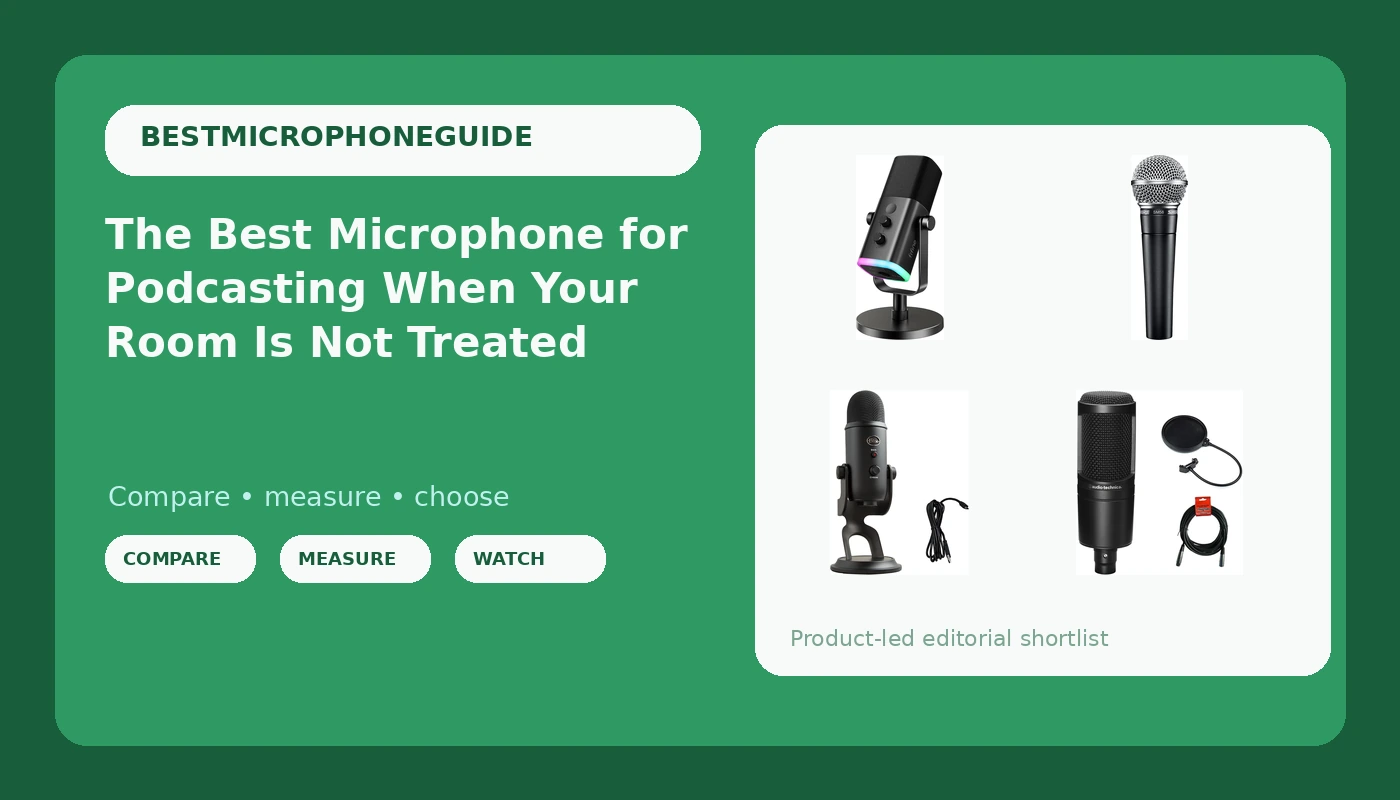
Most people who go looking for the best microphone for podcasting are really trying to solve a different problem: their recordings sound like a laptop fan with a voice on top of it. Buying a bigger, more expensive microphone rarely fixes that, because a sensitive capsule pointed at an untreated room mostly collects the room. What actually helps is choosing a microphone whose design ignores as much of the space around it as possible, and then using it close. That points most home recorders toward a dynamic capsule rather than the largest diaphragm they can afford.
This guide covers six microphones that represent the realistic paths into recording: USB dynamics, USB condensers, classic XLR dynamics, an XLR condenser bundle, and a wireless mini microphone for phone-first creators. The products range from a phone lavalier to a stage-standard vocal microphone, and the right answer depends far less on which one is "best" in the abstract than on whether you own an interface, whether your room is treated, and whether you record at a desk or on the move.
Related: Room Treatment Before Mic Upgrades: What Actually Helps
Quick answer
The FIFINE AmpliGame AM8 USB/XLR Dynamic Microphone for Gaming Streaming is the strongest fit for a first home recording setup because it is a dynamic microphone that connects directly over USB while also offering an XLR output, so you can start recording without an interface and keep a path to one later. Choose the Shure SM58 Pro XLR Dynamic Vocal Microphone instead when you already own an interface or mixer and want a purely XLR dynamic microphone with no software layer involved.
Microphones worth comparing
The six picks below split cleanly along three lines: capsule type, connection type, and what comes in the box. That is where the meaningful differences live, not in frequency response charts.
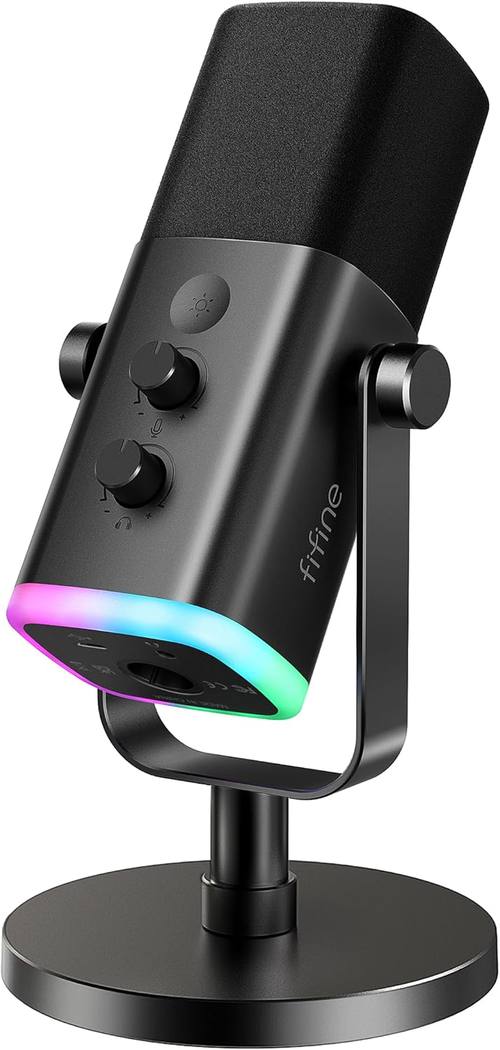
FIFINE AmpliGame AM8 USB/XLR Dynamic Microphone for Gaming Streaming
A dynamic microphone with both USB and XLR outputs, so you can record straight into a computer and still have a clean upgrade path to an interface later. Marketed for gaming and streaming, which are exactly the everyday jobs where you want the microphone close and the room out of the way.
Visit on Amazon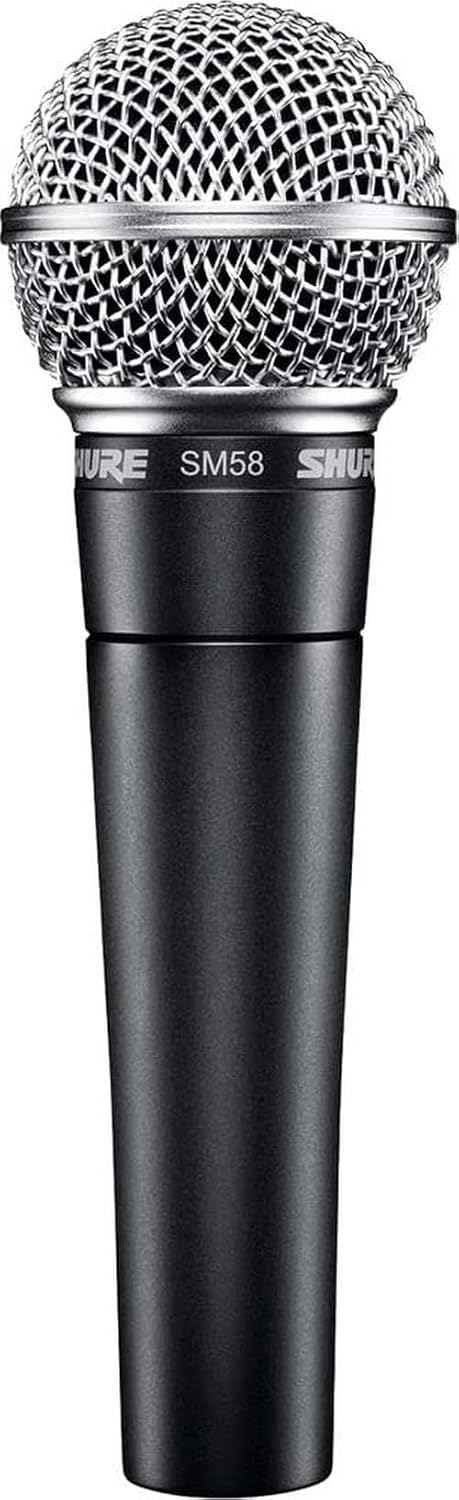
Shure SM58 Pro XLR Dynamic Vocal Microphone
The reference XLR dynamic vocal microphone. There is no USB output and no companion software: it expects an interface or mixer, and in exchange it is the simplest signal chain in this group to reason about.
Visit on Amazon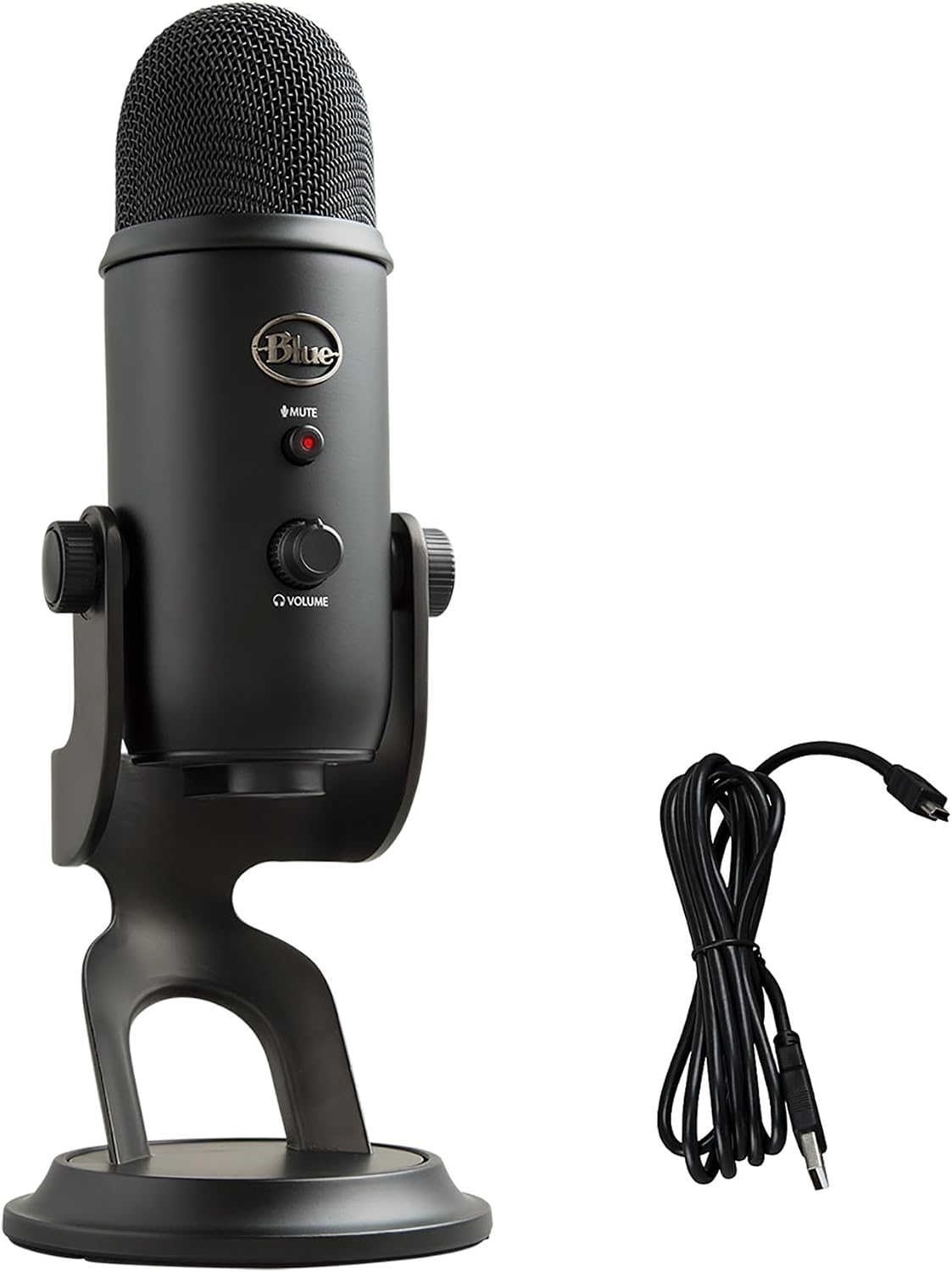
Logitech Creators Blue Yeti USB Microphone for PC, Mac, Gaming, Recording, Streaming, Podcasting, Studio and Computer Condenser Mic with Blue VO!CE effects, 4 Pickup Patterns, Plug and Play - Blackout
A condenser USB microphone for PC and Mac with four pickup patterns, Blue VO!CE effects, and plug-and-play setup. The pattern switch is the interesting part: it lets you change how much of the room the microphone hears without buying anything else.
Visit on Amazon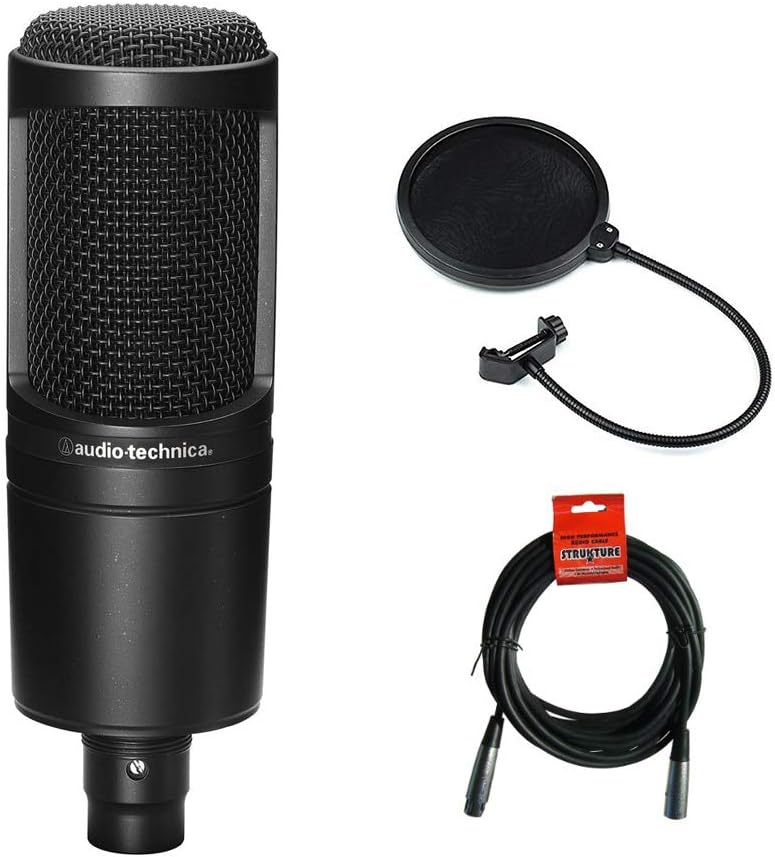
Audio Technica AT2020 Condenser Studio Microphone Bundle with Pop Filter and XLR Cable
An XLR condenser studio microphone sold as a bundle with a pop filter and an XLR cable. Condensers are the detail-forward choice, and pairing one with a pop filter out of the box removes two small decisions and two small purchases from the setup.
Visit on Amazon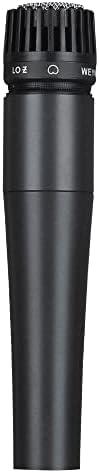
wm57 Dynamic Vocal Classic Style Microphone Audio Instrument Classic Professional Dynamic Cardioid Unidirectional - for Instruments, Drums, Percussion, Vocals(not Include Cable)
A cardioid unidirectional dynamic microphone in the classic handheld style, listed for instruments, drums, percussion, and vocals. The listing states plainly that no cable is included, so plan for an XLR cable as a separate line item.
Visit on Amazon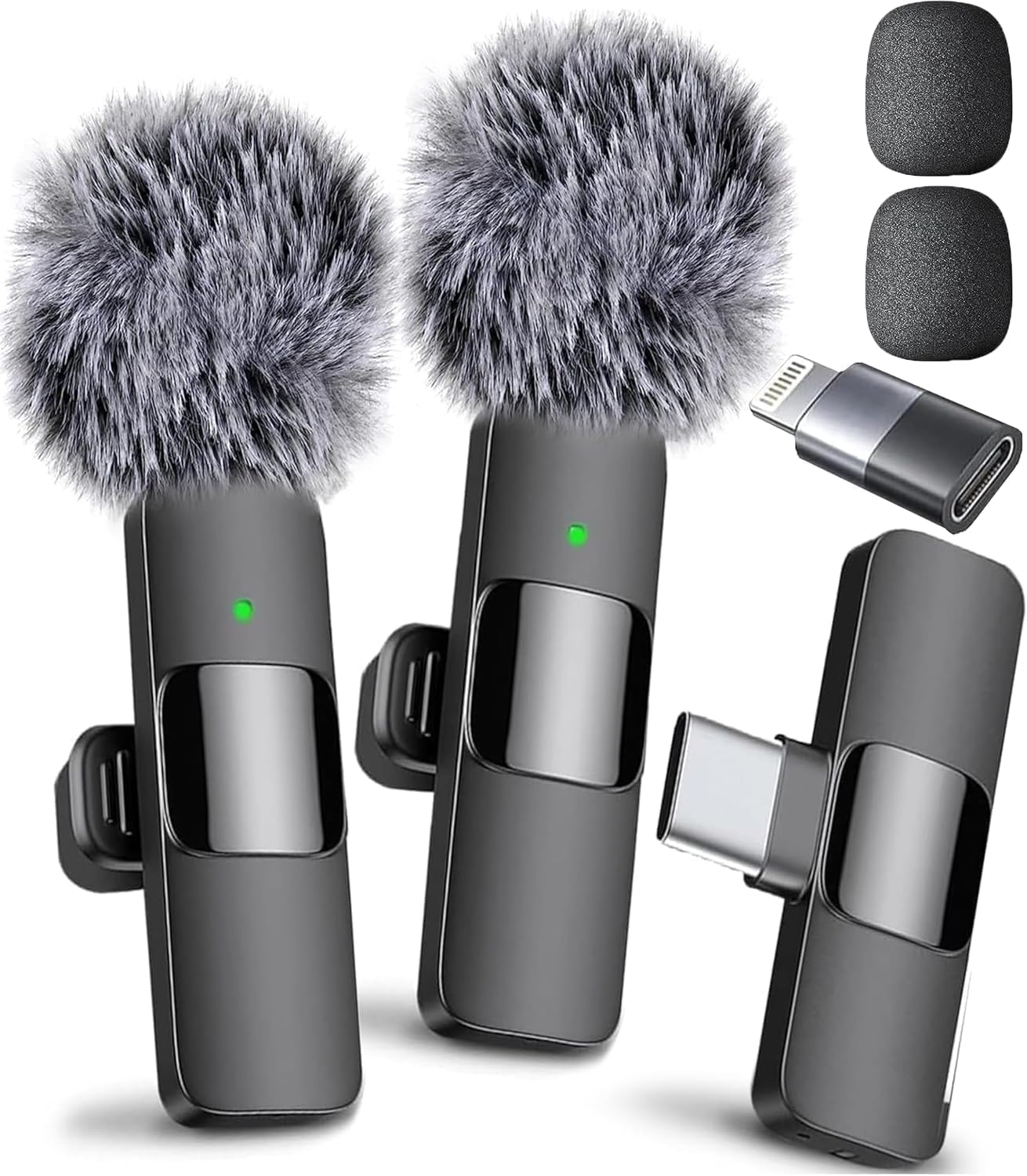
Mini Mic Pro (Latest Model, #1 Microphone for iPhone & Android, Wireless Mini Microphone, Clear Voice, Noise Cancelling, Lavalier Mic for TikTok, YouTube & Interviews
A wireless mini microphone with noise cancelling, positioned for iPhone and Android recording, TikTok, YouTube, and interviews. This is the phone-first option: no interface, no stand, and no cable run across the desk.
Visit on AmazonPrices and availability may change. Check the retailer for current details.
How these products were compared
This guide compares capsule type (dynamic versus condenser), pickup pattern and the way each design handles room sound, the connection path (USB, XLR, or wireless), what is included in the package, and how each microphone is meant to be mounted. Product names, images, and retailer links are matched by product code so that every card points to the product shown.
The comparison is built from published product information and general audio principles, not from lab measurement of every unit. Nothing here promises that a given microphone will sound a certain way in your specific room, because no specification sheet can answer that. Prices and availability move constantly, so use the link on each card to confirm the current details for yourself.
How to choose the right microphone
Start with your connection, because it eliminates more options than any other factor. If you do not own an audio interface, a USB microphone is the whole signal chain: one cable, no gain knob to set, no driver ritual. XLR microphones such as the Shure SM58, the Audio Technica AT2020 bundle, and the wm57 all expect something to plug into, whether that is an interface, a mixer, or a camera with an XLR input. If you already own that gear, XLR is the better long-term path because the microphone is no longer tied to one computer. If you do not own it, buying an XLR microphone means buying a second product before you can record a single word.
Then consider the room, because that is the variable most buyers ignore. Condensers are more sensitive and pick up more of everything around them, which is a gift in a treated space and a liability in a bedroom with a window unit. Dynamic microphones, including the FIFINE AmpliGame AM8, the Shure SM58, and the wm57, are less susceptible to that problem, and they reward working close. The Blue Yeti sits in the middle ground: it is a condenser, but the four pickup patterns let you change the microphone's reach, which is a real tool when the space is not ideal but the recording still needs to happen tonight.
Finally, work out how the microphone will physically sit in front of you. A microphone on a flimsy desk stand picks up every keystroke and every bump of the desk, and that noise survives editing worse than almost anything else. A boom arm and a pop filter cost far less than a microphone upgrade and often change the result more. If you want a deeper look at that side of the setup, the room treatment piece linked above covers the cheap fixes that do the most work.
FIFINE AmpliGame AM8 USB/XLR Dynamic Microphone for Gaming Streaming
The AmpliGame AM8 is a dynamic microphone with two connection options, USB and XLR, which is exactly the combination a first-time recorder wants. Plug it in over USB and you are recording without an interface or any software layer. When you eventually add an interface, the XLR output means the microphone comes with you instead of being replaced. It is positioned for gaming and streaming, which is another way of saying it is designed for long sessions at a desk with a voice close to the capsule.
The trade-off is inherent to the category. Dynamic microphones generally need more gain than condensers, which means working closer to the capsule and speaking up rather than leaning back in the chair. You also give up some of the airy detail that a condenser delivers, so a voice with a lot of high-frequency texture may sound more contained here. That is the deal you make for a microphone that is far less interested in your ceiling fan, and for most untreated home setups it is the right deal.
Alternatives to consider
The Shure SM58 Pro XLR Dynamic Vocal Microphone is better suited to someone who already owns an interface or mixer and wants a rigid, no-software XLR dynamic microphone, while the Logitech Creators Blue Yeti USB Microphone is a stronger fit when you want USB convenience plus the ability to switch pickup patterns and apply Blue VO!CE effects without adding hardware.
The Audio Technica AT2020 Condenser Studio Microphone Bundle with Pop Filter and XLR Cable, the wm57 Dynamic Vocal Classic Style Microphone, and the Mini Mic Pro cover the remaining ground. The AT2020 bundle is the XLR condenser route for a treated room, and it arrives with the pop filter and cable already included. The wm57 is the budget dynamic option in the classic handheld shape, listed for instruments, drums, percussion, and vocals, with no cable in the box. The Mini Mic Pro is the only wireless option here, a lavalier-style mini microphone aimed at iPhone and Android creators recording interviews, TikTok, and YouTube content away from a desk.
Day-to-day use and maintenance
Whichever you choose, the first accessory decision is how the microphone is held. A boom arm keeps the microphone off the desk surface, which removes thumps and typing noise before they ever reach the recording. A pop filter or a simple foam windscreen tames plosives, those hard P and B sounds that a close-working dynamic microphone will otherwise capture in full. Neither item is exciting, and both do more for a finished recording than a slightly more expensive microphone would.
Cables deserve a mention because the listings differ. The wm57 is explicit that no cable is included, so budget for one. Check each package before ordering rather than assuming, and confirm the connector type matches the gear you plan to plug into.
For care, keep microphones away from moisture and out of the way of drinks, and do not blow into a capsule to test it, since that pushes debris onto the diaphragm. Wireless mini microphones like the Mini Mic Pro need a charging routine, so keep the receiver and transmitter charged between sessions and check battery level before a shoot rather than after. Wipe housings with a dry or barely damp cloth, and follow the manufacturer's cleaning instructions rather than improvising with solvents.
Buying checklist
- Confirm whether you own an interface, because that decides between USB and XLR before anything else.
- Match the capsule type to the room: dynamic for untreated spaces, condenser for rooms you have already dealt with.
- Check what is in the box, especially the XLR cable, which at least one listing does not include.
- Plan the mount, and add a boom arm and pop filter rather than reaching for a more expensive microphone.
- Verify the current retailer price, availability, and return terms before you commit.
Final recommendation
Choose the FIFINE AmpliGame AM8 USB/XLR Dynamic Microphone for Gaming Streaming when you are starting from nothing, recording at a desk in a room you have not treated, and want to avoid buying an interface on day one. Its USB connection gets you recording immediately, and its XLR output means the microphone still has a place in your setup after you outgrow the direct connection.
Choose the Shure SM58 Pro XLR Dynamic Vocal Microphone instead when you already have an interface or mixer and want a purely XLR dynamic microphone with no software layer to manage. Choose the Blue Yeti when USB convenience and switchable pickup patterns matter more than capsule type, the AT2020 bundle when your room is treated and you want an XLR condenser with the pop filter and cable included, the wm57 when budget and the classic handheld shape are the priority, and the Mini Mic Pro when the recording happens on a phone rather than at a desk.