If you record in a normal apartment, a spare bedroom, or a kitchen with a refrigerator humming two rooms away, the microphone you buy matters less than you think and more than you hope. The best microphones for podcasting are not the ones with the flattest published frequency response. They are the ones that reject the room around you, connect to the gear you already own, and stay mounted and usable every single day. This guide covers six microphones and mic kits that fit different versions of that problem: USB dynamics, a USB condenser, a wired cardioid mic, an established broadcast dynamic, and a wireless kit for recording away from the desk. I edit podcast audio for a living, which means I spend my week hearing what microphones actually do in ordinary rooms rather than in showrooms.
Related: USB vs XLR microphones: which path should a new podcaster take?
Quick answer
The FIFINE AmpliTank K688CT Podcast Microphone Kit, USB/XLR Dynamic Vocal Mic is the strongest fit for most home podcasters because it is a dynamic vocal microphone with both USB and XLR connection options, so one purchase works with a laptop today and with an interface later. Choose the Shure SM7B Dynamic Vocal Microphone for Podcasting & Streaming instead when you are building your setup around a dedicated audio chain and want the reference microphone this category has standardized on for years.
Podcast microphones worth comparing
The six products below split cleanly into three groups: dynamic mics that fight the room, a condenser that rewards a quiet one, and a wireless kit that removes the desk entirely.
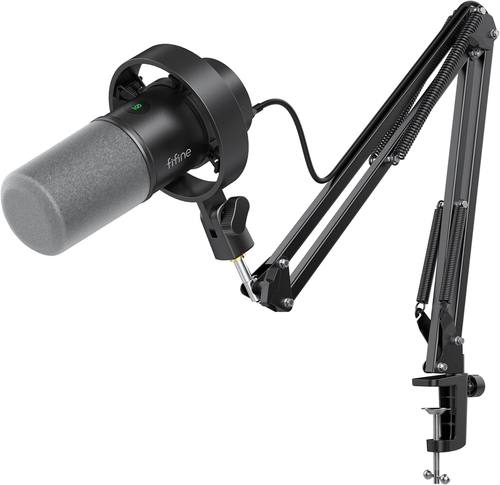
FIFINE AmpliTank K688CT Podcast Microphone Kit, USB/XLR Dynamic Vocal Mic
A dynamic vocal microphone kit with USB and XLR connectivity, built for podcasters who want one purchase that works now and can grow into a larger setup.
Visit on Amazon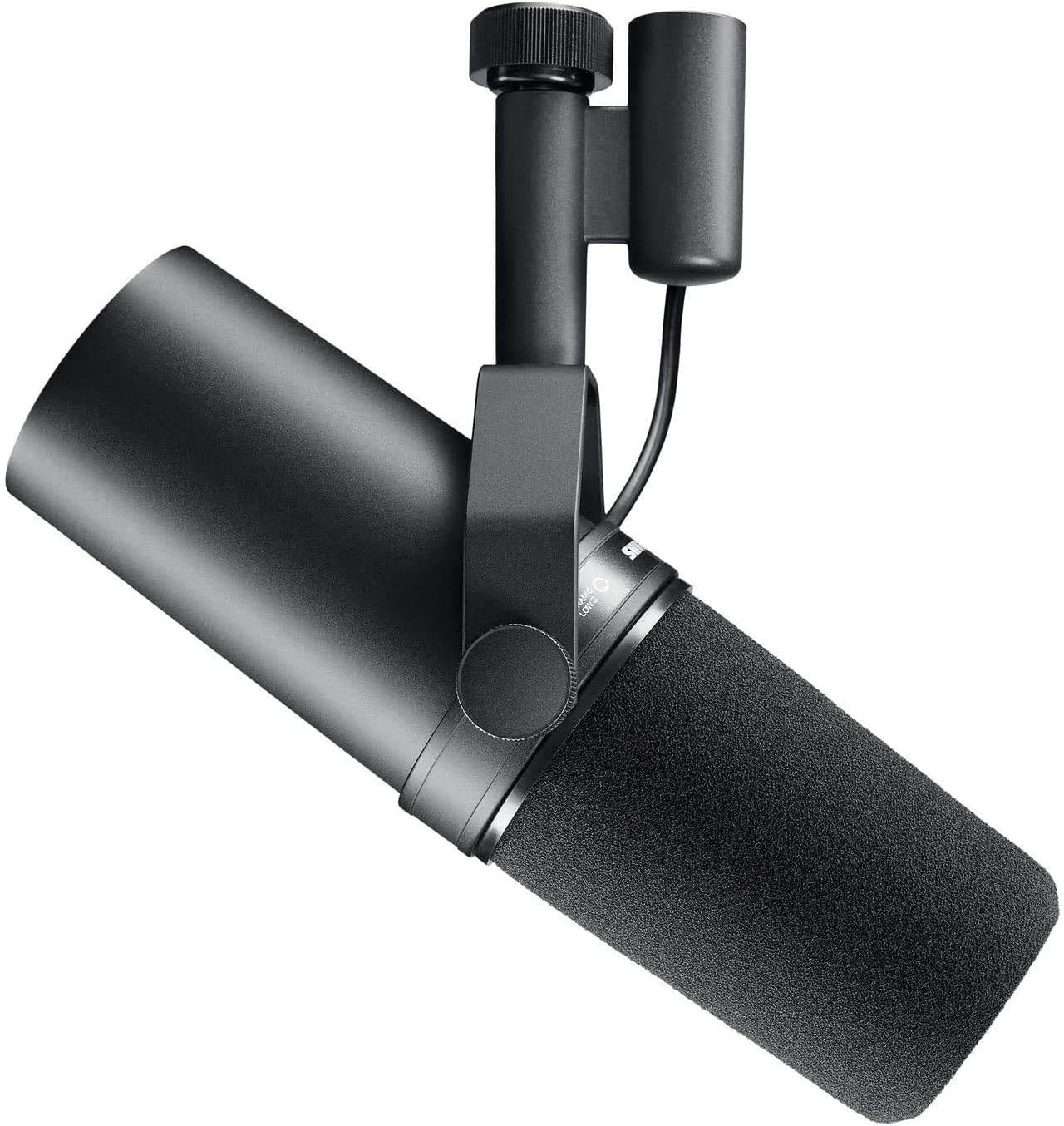
Shure SM7B Dynamic Vocal Microphone for Podcasting & Streaming
A dynamic vocal microphone designed for podcasting and streaming, and the long-standing reference point that other broadcast-style mics are measured against.
Visit on Amazon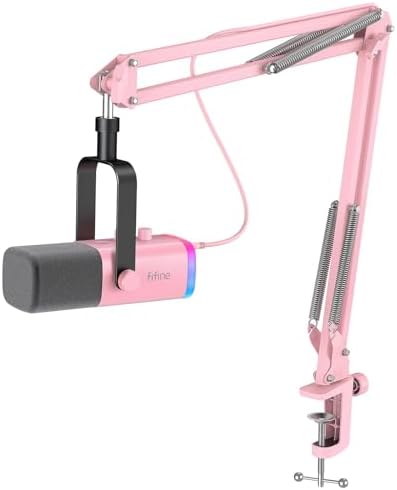
FIFINE AmpliGame AM8T XLR/USB Gaming Microphone Set, Dynamic PC Mic
A dynamic PC microphone set with XLR and USB connectivity, positioned for gaming and desktop recording rather than a dedicated studio rack.
Visit on Amazon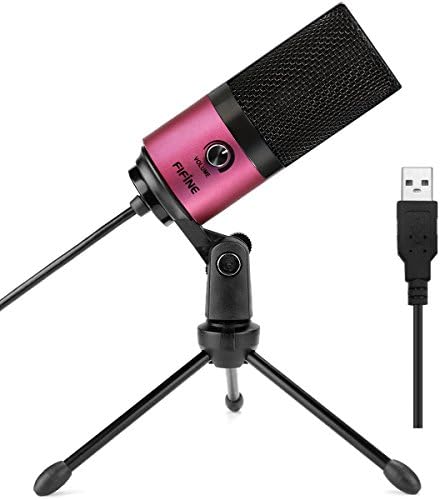
FIFINE K669B USB Microphone, Condenser Recording Mic for Vocals, Meeting
A USB condenser microphone for vocals and meetings, and the simplest plug-in option in this group.
Visit on Amazon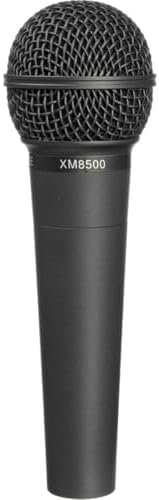
Behringer XM8500, Wired Microphone, Cardioid, 20dB, 3000Hz, 1000Hz, 1000mV, 1000nV, 1000pV, 1000Typ, 1000W
Check current Amazon price
A wired cardioid microphone that serves as a low-cost entry point for anyone who already owns a traditional signal chain.
Visit on Amazon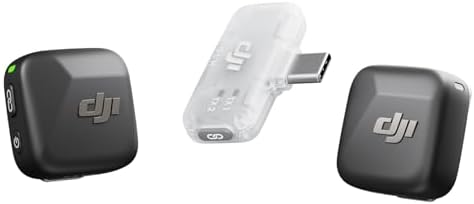
DJI Mic Mini (2 TX + 1 Mobile RX), Ultralight, Active Noise Cancelling
An ultralight wireless kit with two transmitters and a mobile receiver, plus active noise cancelling, for recording two people away from the desk.
Visit on AmazonPrices and availability may change. Check the retailer for current details.
How these products were compared
This guide compares connection type, capsule type, polar pattern and off-axis behavior, what actually ships in the box, and whether the product is designed for a desk or for recording on the move. Product names, images, and retailer links are matched to the same listing so that every card points to the product shown.
Two of these products are dynamic microphones with both USB and XLR connections, one is a dynamic microphone built for podcasting and streaming, one is a dynamic microphone set aimed at gaming, one is a USB condenser, one is a wired cardioid microphone, and one is a wireless kit with two transmitters and a mobile receiver. Those distinctions come from what each product is built and marketed to do, not from laboratory measurements I did not run. Nothing here should be read as a bench test result, and no current price is printed anywhere in this article. Use the retailer link on any card to confirm today's price and availability.
The practical reason connection type leads the comparison is that it decides how much other gear you have to buy. A USB microphone needs a cable and a computer. An XLR microphone needs something to plug into. A microphone that offers both lets you start with the simple path and change your mind later without replacing the mic itself.
How to choose the right microphone
Start with the room, not the spec sheet. A condenser capsule is more sensitive, which is exactly what you want in a quiet, treated space and exactly what you do not want in an untreated room with a street outside, a fan overhead, or a hard floor bouncing your voice back at you. A dynamic capsule typically picks up less of the space around it, which is why so many working podcasters land on a dynamic mic even when a condenser would measure "better" on paper. Off-axis rejection is the number that matters most for a home studio, because the noise you are fighting usually arrives from the side and the rear, not from directly in front of your mouth.
Then decide how the microphone connects. If you want one cable and no additional purchases, a USB microphone is the honest answer, and the gap between USB and a basic interface chain has narrowed to the point where most first-time podcasters will not hear the difference in a normal room. If you already own an interface, or you know you want separate gain control and the ability to swap microphones later, XLR is the more flexible path. A microphone that supports both, like the top pick here, removes the risk of choosing wrong on day one.
Capsule and connection are the big two, but mounting and accessories decide whether you actually enjoy using the thing. A microphone on a short desk stand transmits every keystroke and every knuckle tap straight into the recording, and no amount of post-processing fully removes that. A boom arm plus a pop filter solves plosives and typing noise at the same time, and it costs far less than moving up a tier in microphone. If you are still assembling the rest of the chain, it helps to read up on what a home recording setup actually needs before you upgrade a microphone so you spend money in the order that changes your sound.
Finally, think about who else is in the room. Solo hosts can point one cardioid microphone at one mouth and be done. Two hosts, an interview guest, or a co-host on the other side of the country all change the answer, because a single desk microphone cannot serve two mouths at once. That is the case where a wireless kit with two transmitters earns its place in the bag rather than on the desk.
FIFINE AmpliTank K688CT Podcast Microphone Kit, USB/XLR Dynamic Vocal Mic
The top pick is a dynamic vocal microphone kit with USB and XLR connectivity, and that combination is the whole argument for it. You can plug it into a laptop over USB and record a first episode today without buying an interface, then move the same microphone onto an XLR input later if you add one. The dynamic capsule is the right choice for the rooms most people actually record in, and the kit format means you are not immediately shopping for the stand and accessories that a bare microphone leaves you to source separately.
The trade-off is honest and worth stating plainly. A USB and XLR hybrid is a compromise design, and it will not match a dedicated broadcast microphone on build and long-term serviceability. If your plan is a permanent studio with a fixed signal chain, you are paying for a flexibility you will not use. It is also still a dynamic microphone, which means it will not flatter a quiet speaking voice the way a sensitive condenser can in a well-treated room.
Where it wins is the middle of the market: someone recording weekly, in a normal room, who wants one purchase that works now and does not become a dead end in six months. That is a narrow, useful thing to be good at.
Alternatives to consider
The Shure SM7B Dynamic Vocal Microphone for Podcasting & Streaming is better suited to someone who has already decided to build around a dedicated audio chain and wants the microphone most studios treat as the default, while the FIFINE AmpliGame AM8T XLR/USB Gaming Microphone Set, Dynamic PC Mic is a stronger fit when the same desk has to serve gaming, streaming, and voice recording, and you want a dynamic PC microphone with both XLR and USB options rather than a broadcast-style mic aimed at a studio rack.
The FIFINE K669B USB Microphone, Condenser Recording Mic for Vocals, Meeting, the Behringer XM8500, Wired Microphone, Cardioid, and the DJI Mic Mini (2 TX + 1 Mobile RX), Ultralight, Active Noise Cancelling cover the remaining cases. The K669B is the simplest plug-in option for vocals and meetings, which makes it the one to consider when the priority is getting a clean voice into a call or a quick recording with the least setup. The XM8500 is a wired cardioid microphone and the low-cost entry point for a traditional chain, useful when you already own the rest of the path and just need a microphone at the end of it. The DJI Mic Mini is a different tool entirely: an ultralight wireless kit with two transmitters, a mobile receiver, and active noise cancelling, which makes it the pick for interviews, two-person recordings, and anything happening away from the desk.
Day-to-day use and maintenance
Most microphone disappointment is gain staging and placement, not the microphone. Set your input level so normal speech sits well below the point where the signal clips, then leave it alone for the whole session. If your levels are drifting between takes, the problem is usually your distance from the capsule, not the setting. Keep a consistent distance, because the proximity effect means that closing in on the microphone thickens the low end while backing away thins it out. A pop filter buys you more than most people expect, especially with plosives on "p" and "b" sounds, and it costs almost nothing.
Mounting deserves the same seriousness. A boom arm keeps the microphone off the desk, out of the path of typing vibration, and positioned so you are speaking across the capsule rather than down into it. Check the arm's joint tension periodically, because a mount that slowly sags over a month changes your tone without you noticing why. Route cables so nothing tugs on the connector, and coil and store the microphone somewhere dry when it is not in use.
Follow the cleaning and handling instructions that come with whichever product you buy, and treat the grille gently, since the capsule sits just behind it. For the wireless kit, charge the transmitters and the receiver before a session rather than during one, and confirm the pairing before the guest arrives. None of this is glamorous, but it is the difference between a microphone you use every week and one that lives in a drawer.
Buying checklist
- Measure the space where the microphone and its mount will live, including how far a boom arm has to reach.
- Choose a dynamic or condenser capsule based on your actual room rather than on an ideal recording day.
- Confirm the exact model includes the connection you need, whether that is USB, XLR, or both.
- Read the cleaning and maintenance instructions before the first session.
- Verify the current retailer price, availability, and return terms through the product link.
Final recommendation
Choose the FIFINE AmpliTank K688CT Podcast Microphone Kit, USB/XLR Dynamic Vocal Mic when you record in a normal, untreated room and want one dynamic microphone that works over USB now and over XLR later. Choose the Shure SM7B Dynamic Vocal Microphone for Podcasting & Streaming when you are committing to a dedicated audio chain and want the reference microphone this category keeps coming back to.
If neither of those fits, the decision should follow your room and your guest count rather than the spec sheet. A condenser for a quiet, treated space, a wired cardioid microphone for an existing chain, or a wireless kit for recording away from the desk are all defensible answers to specific problems. What is not defensible is buying a microphone to fix a room. Treat the room first, buy the microphone second, and you will spend less and sound better doing it.