I have edited north of 4,000 podcast episodes for other people, which means I have heard every microphone mistake that exists, usually twice, usually at 11 p.m. the night before a client's launch. Almost none of those mistakes were the microphone's fault. They were the room's. So when someone asks me which of the microphones for home podcasting they should buy, my first honest answer is "the one that fights your room the least," and my second answer is a specific model. This comparison is the long version of that conversation. Four very different mics are on my desk right now, and I am judging all of them by one standard: does the take survive an edit, or does it fall apart the moment I start cutting?
If you record in an untreated room, the Shure SM57 Pro XLR Dynamic Instrument Microphone is the safest buy in this group, because a dynamic mic rejects the room instead of celebrating it. If your room is already treated, the RØDE NT1 Signature Series is the one I reach for. And if you just need to get a voice into a phone today, the Labstandard wireless lav does that job immediately, with every compromise that implies.
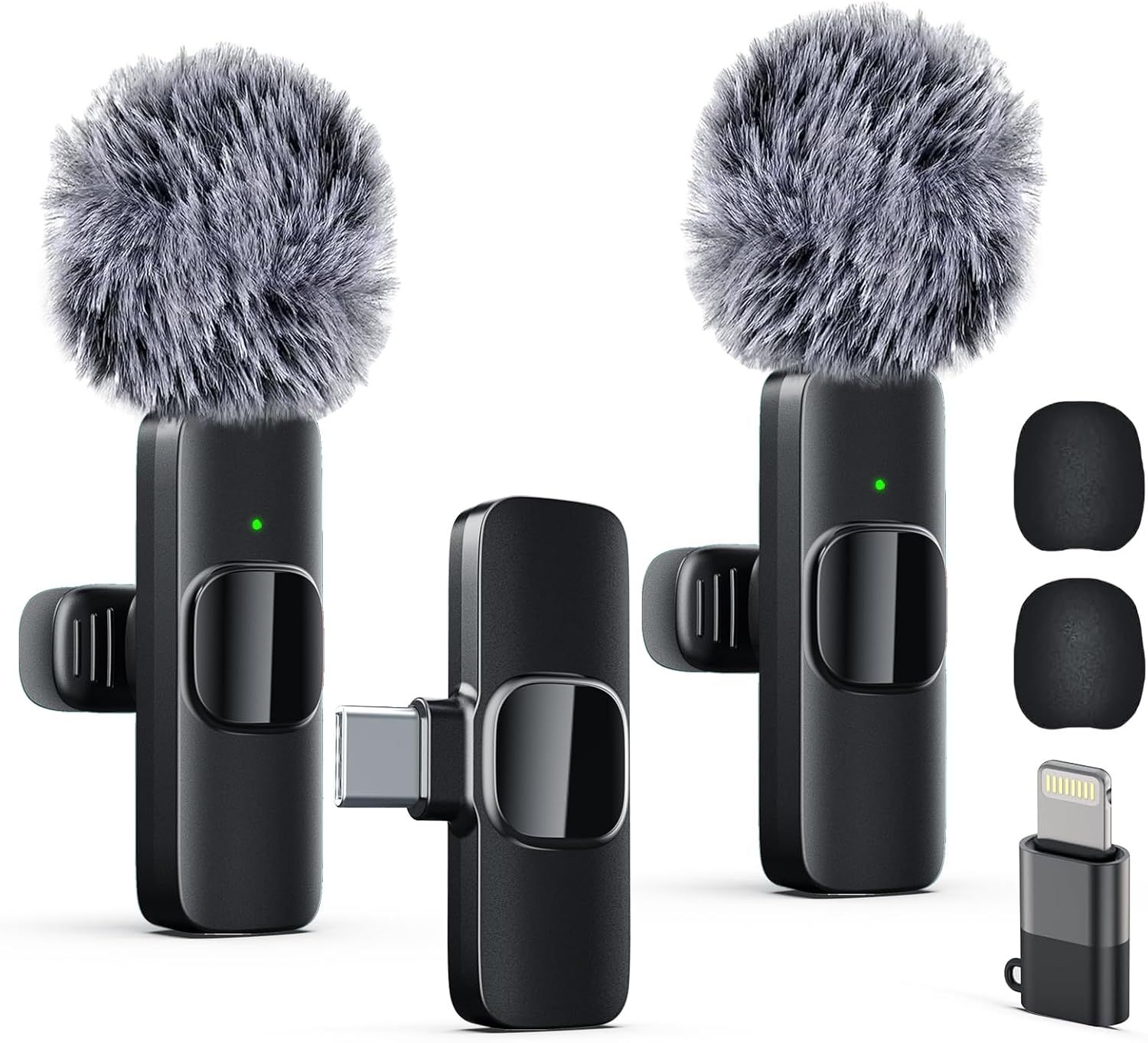
Labstandard Professional Wireless Lavalier Lapel Microphone for iPhone, iPad
Plugs straight into a phone, no interface, no phantom power, no learning curve
Wireless compression and a tiny capsule; it will not hold up under the same edit an XLR chain holds up under
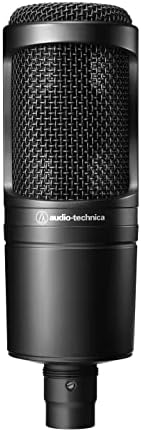
Audio-Technica AT2020 Cardioid Condenser Studio XLR Microphone
The friendliest first condenser I know, easy to place on a boom, side-address so it stays out of your sightline
A cardioid condenser in an untreated room hears the street, the fridge, and the HVAC along with you
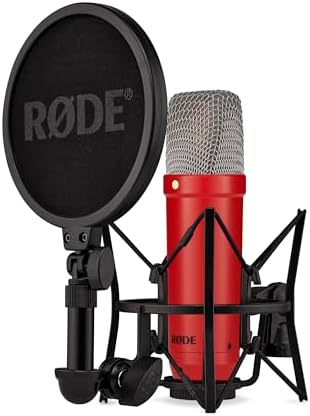
RØDE NT1 Signature Series Studio Condenser Microphone, Black
A proper studio condenser, and the best-sounding option here once the room is treated
It is wasted in an untreated bedroom, and it will tell on you every single take
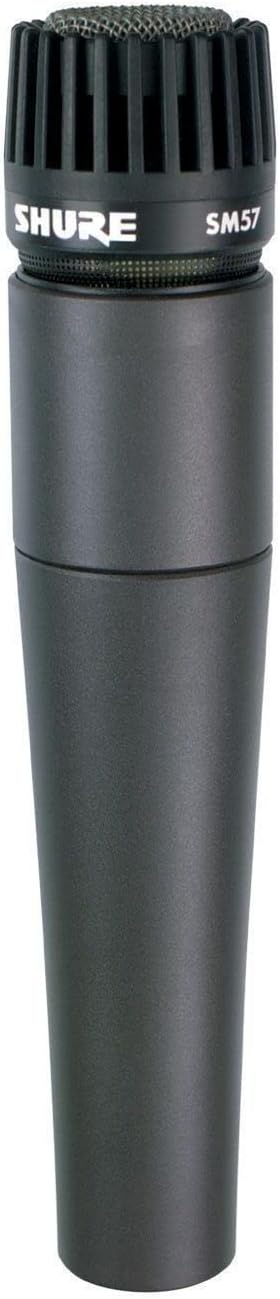
Shure SM57 Pro XLR Dynamic Instrument Microphone
Off-axis rejection, no phantom power needed, and a reputation for surviving whatever you do to it
It is an instrument mic, and it wants more clean gain than a cheap interface likes to give
Prices and availability were captured from Amazon Creators API and may change.
How I test these, and why the kitchen matters
Every mic that comes through here gets the same two-room treatment. First the treated studio: same interface, same boom arm, same gain staging, same script read at the same distance from the grille. Then the untreated kitchen, because that is where most podcasters actually record, and it is where a microphone's personality stops being theoretical.
I listen for three things in the edit. How much room tone sits under the voice when nobody is talking. How the mic handles plosives on a hard P when I have forgotten the pop filter again. And what happens to the take when a truck goes past the window mid-sentence. A mic that fails the kitchen test does not get recommended here, no matter how it looks on a spec sheet or how many people on a forum swear by it.
One disclosure, because it matters for how you read this. I am a voice guy. I do not review instrument mics, and I have no interest in arguing about guitar cabinets. The Shure SM57 Pro XLR Dynamic Instrument Microphone is in this comparison anyway, because podcasters keep putting it in front of their faces and I keep hearing the results in my edit bay. That is the entire reason it earns a row.
The room is the microphone
I can make a cheap mic sound better than an expensive one in a bad room. I can also make an expensive mic sound cheap in a bad room, which is the part nobody wants to hear, because a new microphone is a much more fun purchase than a box of acoustic panels.
Here is the mechanism, without the marketing. A condenser captures detail. Detail includes your voice, and it also includes early reflections off a bare wall, the hum of a refrigerator two rooms away, and the specific tone of a Brooklyn radiator in February. A dynamic captures less of all of it. Less room is usually more voice, and voice is what you are selling.
This is why I get annoyed at "studio quality" as a phrase. Studio quality is not a property of a microphone. It is a property of a room plus a microphone plus a person who knows where to put it.
Dynamic versus condenser, stated plainly
The Audio-Technica AT2020 Cardioid Condenser Studio XLR Microphone is the classic first condenser, and it has earned that spot. It is side-address, which means you speak into the flat face rather than the end, and that makes it easy to position on a boom arm so it is not blocking your screen. It needs 48 volts of phantom power, so a USB-only setup cannot run it. You need an interface or a mixer in the chain.
The RØDE NT1 Signature Series Studio Condenser Microphone is the step up. It is a large-diaphragm studio condenser, it also needs phantom power, and it rewards a room that has already been dealt with. In my treated studio it is the nicest of these four to listen to for an hour. In an untreated kitchen it is a very accurate recording of an untreated kitchen, and accuracy is not always your friend.
The Shure SM57 Pro XLR Dynamic Instrument Microphone is the odd one out and the one I would hand a new podcaster first. It is a dynamic, so no phantom power, which means it works with interfaces that skimp on it. Its pattern is tight enough that the room arrives quieter than it does on either condenser. The trade-off is gain: dynamics want more clean gain than budget interfaces enjoy providing, and if you crank a noisy preamp you have simply traded room noise for preamp noise. Set your gain staging once, properly, and leave it alone.
What the wireless lav is actually for
The Labstandard Professional Wireless Lavalier Lapel Microphone is not competing with the other three. It is competing with the microphone built into your phone, and it wins that fight easily. It clips to a collar, it pairs with an iPhone or iPad, it does its noise reduction on board, and it records. For interviews, quick videos, and the kind of shoot where you are walking and talking, that is a real solution, and it costs far less than the rest of this list.
Where it loses is anywhere the recording matters for years. A wireless lav involves compression, a small capsule, and a battery, and all three of those are places where audio quality goes to die. It is also not a two-host solution, and it will not give you the low end that a proper voice chain gives you. Buy it as a field tool, not as your studio.
The parts of the chain nobody budgets for
Boom arms and pop filters matter more than the microphone upgrade. I have heard a $300 mic ruined by a $15 desk stand that transmitted every keystroke straight into the recording, and I have heard a cheap dynamic sound genuinely broadcast-ready because it was on a proper arm, at the right distance, with a pop filter in front of it.
So before you upgrade the mic, budget for the following: an arm that does not sag after a month, a pop filter, a shock mount if the mic does not come with one, and a cable that is longer than you think you need. If you are buying a condenser, add an interface with reliable phantom power. If you are buying the dynamic, add nothing but gain, and learn where your noise floor actually sits.
What I would buy first
If your room is untreated, buy the Shure SM57 Pro XLR Dynamic Instrument Microphone, put it on a boom arm, and spend the rest of your budget on the room. You will sound better than the person who bought a condenser and records next to a window.
If your room is treated, or you are willing to treat it, the RØDE NT1 Signature Series Studio Condenser Microphone is the pick, with the Audio-Technica AT2020 Cardioid Condenser Studio XLR Microphone as the budget-conscious alternative that gets you most of the way there. Either one needs an interface with phantom power, so price that in.
If your content is shot on a phone and your audio has always been the weak link, the Labstandard wireless lav fixes the most obvious problem for the least money.
The trade-offs, in one place
- The dynamic wins on room rejection and loses on level. You will work harder for gain.
- The AT2020 wins on price and placement and loses on room noise. It hears everything.
- The NT1 Signature Series wins on sound in a treated space and loses badly in an untreated one.
- The wireless lav wins on speed and loses on longevity. It is a tool for today, not a chain for five years.
That is the honest shape of this comparison. None of these four is a bad microphone. They are answers to four different questions, and the most common mistake I see is somebody buying the answer to a question they did not ask.
What I am watching next
Two things. On-mic processing is spreading, which means the software layer, not the capsule, is becoming the battleground. And room-treatment kits are starting to sell like microphones used to, which is the healthiest trend in this hobby in a decade. Both of those push in the same direction: the microphone was rarely the problem.
Pick the one that fits the room you actually record in, not the room you plan to build someday. That is the whole trick, and it is the reason I keep a spectrogram of every mic that comes through here. The numbers do not care how much you spent.