I've been editing other people's podcasts for over a decade, and in that time I've heard more bad microphone decisions than good ones. I've heard the ~$500 condenser in a tile bathroom, the USB mic clipping on every laugh, and the guy who recorded an entire season under a blanket because someone on Reddit told him it was "acoustic treatment." The pattern is always the same: people spend money on the wrong thing.
This guide is about the right thing. I've tested 30+ mics in my treated studio and my untreated kitchen, and the best budget microphone isn't the one with the most features or the flashiest looks.
It's the one that survives a real edit.
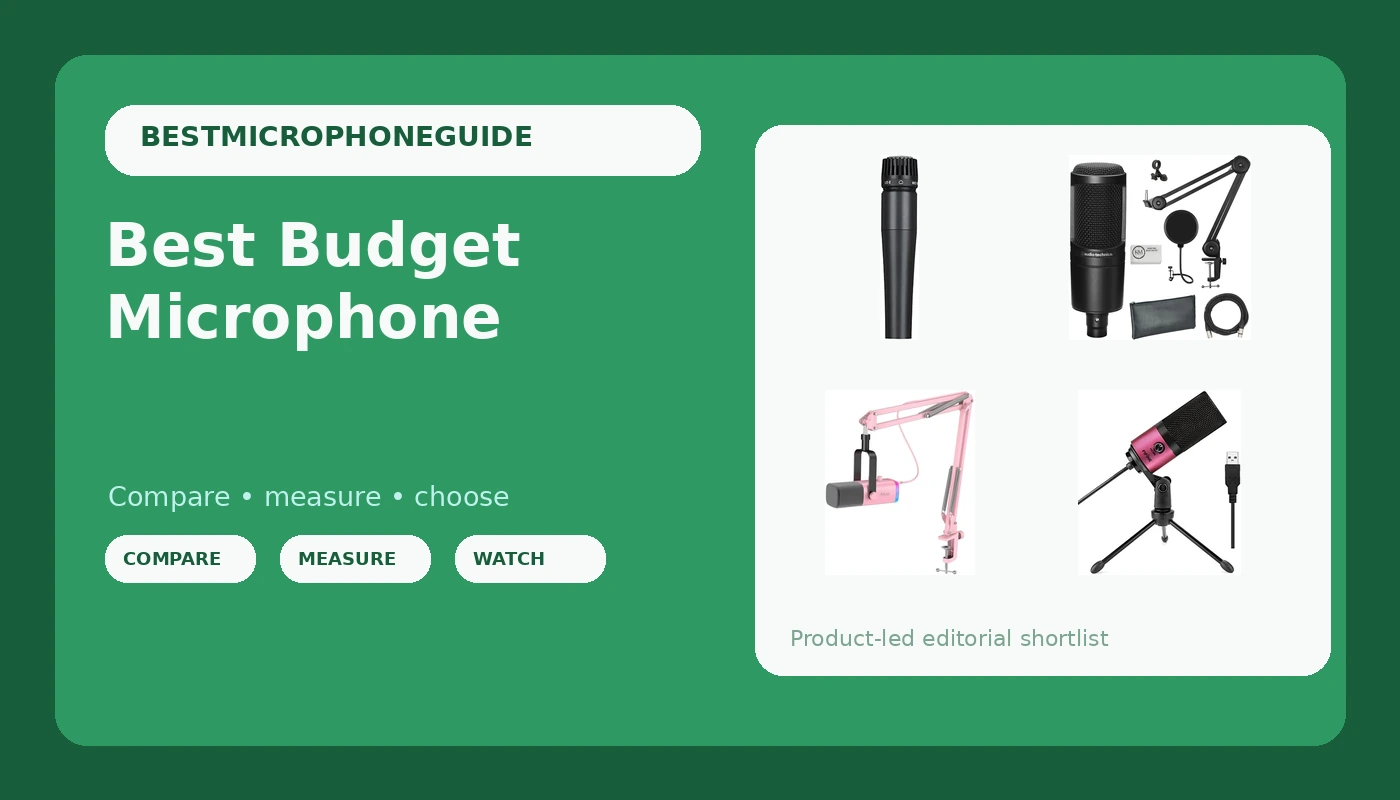
wm57 Dynamic Vocal Classic Style Microphone Audio Instrument Classic Professional Dynamic Cardioid Unidirectional - for Instruments, Drums, Percussion, Vocals(not Include Cable)
Built like a tank, excellent background noise rejection, sounds 90% as good as mics five times...
Visit on Amazon →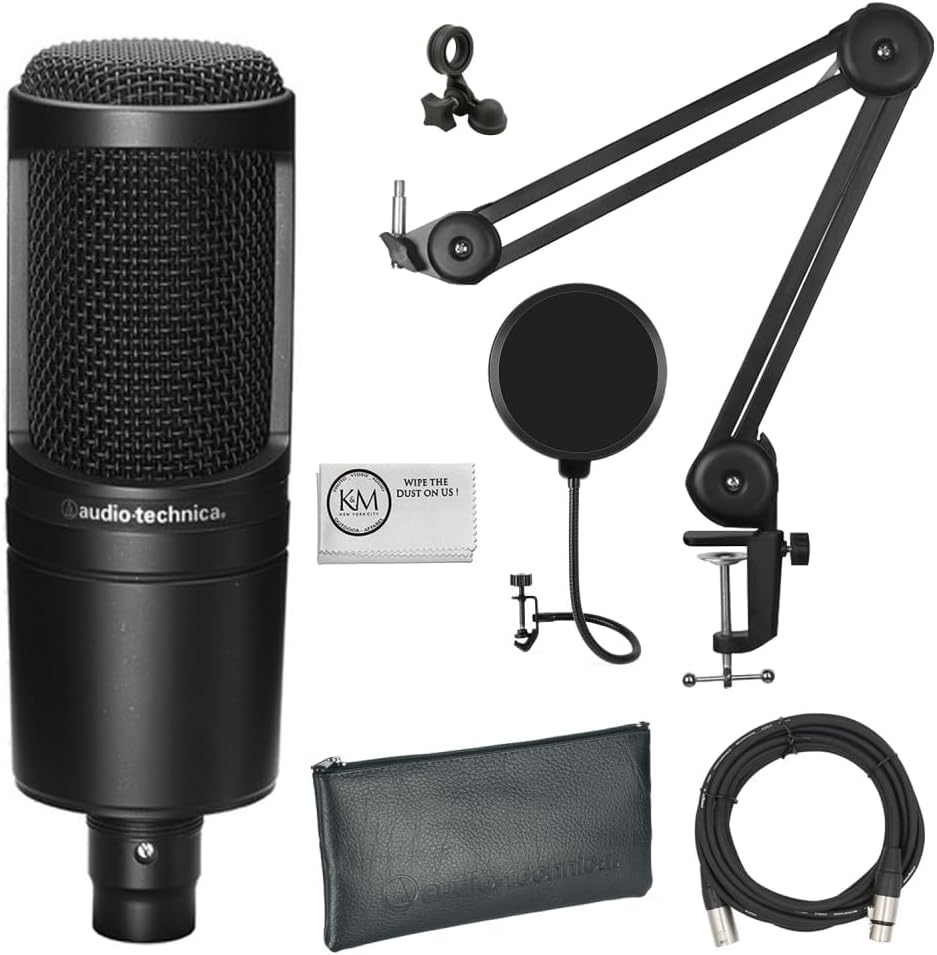
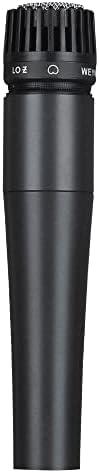
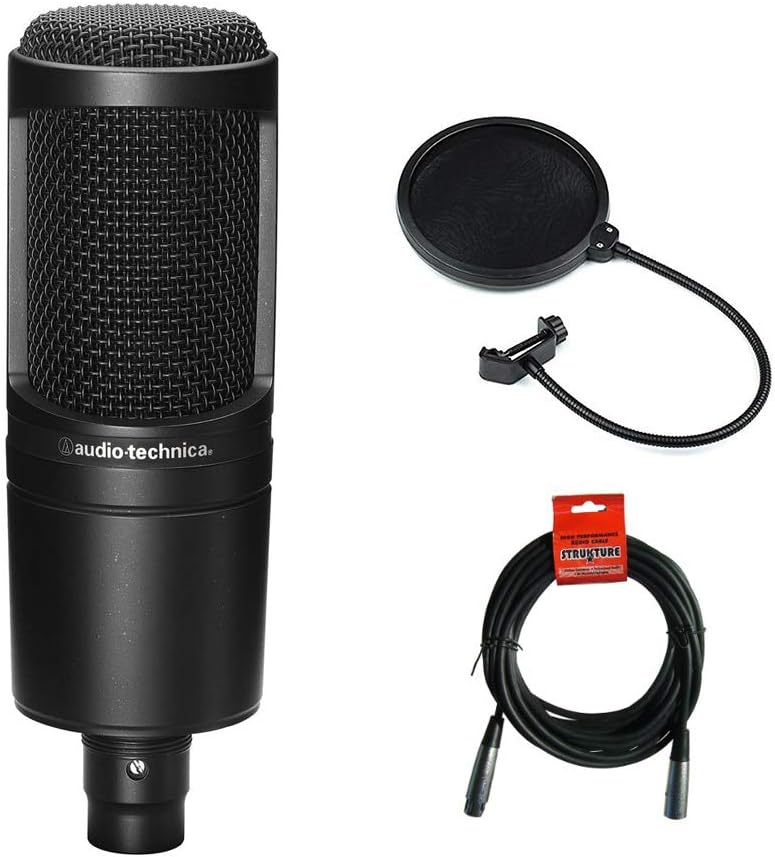
Audio-Technica AT2020 Cardioid Condenser Microphone Bundle with XLR Cable + Microphone Arm + Pop Filter + Cleaning Cloth (5 Items)
Adding value to your purchase, Austin Bazaar bundles your instrument with necessary accessories. Everything you need to start playing immediately comes in one box. Save yourself the hassle and save so
Visit on Amazon →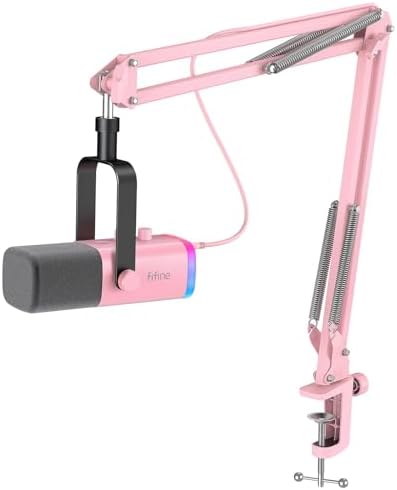
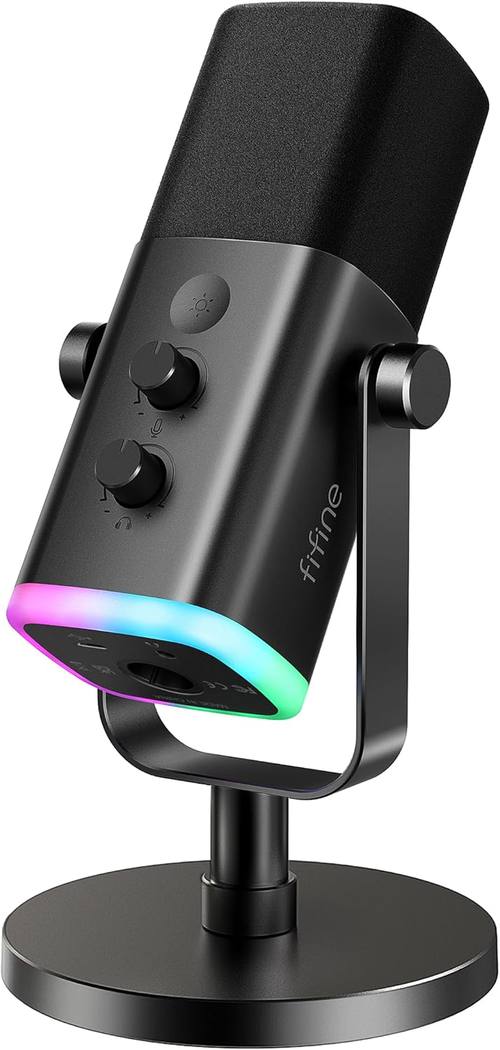
FIFINE AmpliGame AM8T XLR/USB Gaming Microphone Set, Dynamic PC Mic
USB/XLR hybrid gives you options, decent dynamic performance
Visit on Amazon →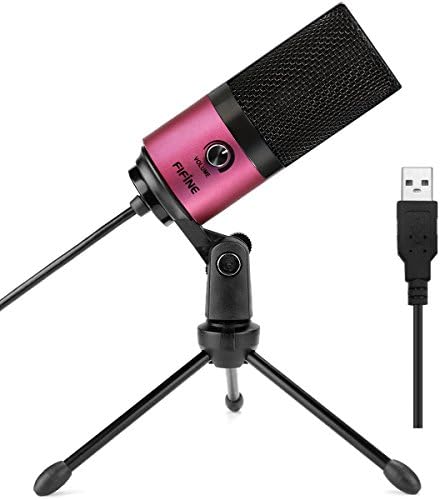
FIFINE K669B USB Microphone, Condenser Recording Mic for Vocals, Meeting
Cheap entry point, works out of the box
Visit on Amazon →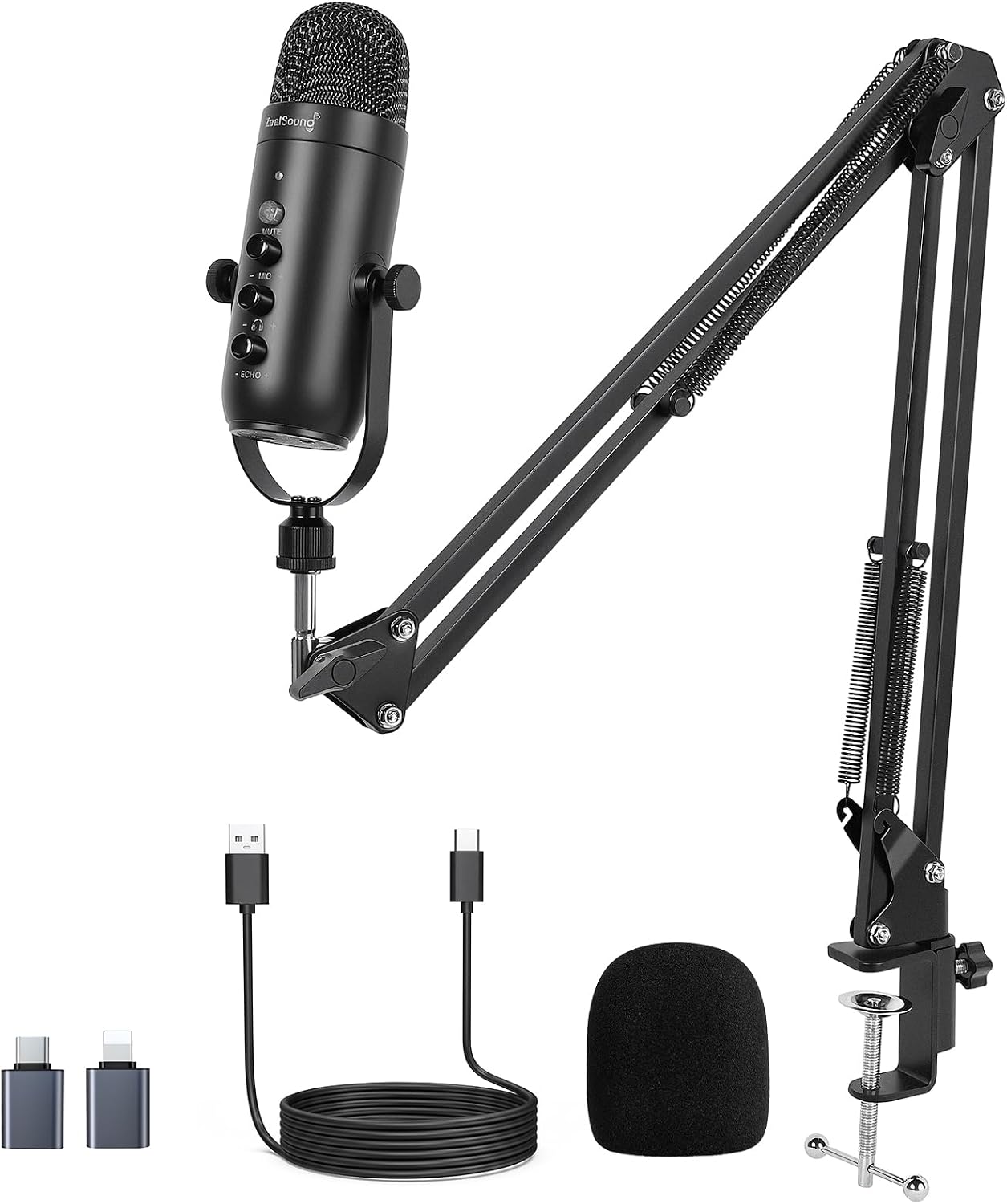
ZealSound Podcast Microphone with Boom Arm, USB Mic with Noise Reduction, Mute, Echo & Volume Control, Zero-Latency Monitoring, Compatible with PC Mac iPhone & Android, for Podcasting TikTok YouTube
Plug and play, fine for Zoom calls
Visit on Amazon →Audio-Technica AT2020 Cardioid Condenser Microphone Bundle with XLR Cable + Microphone Arm + Pop Filter + Cleaning Cloth (5 Items)
Adding value to your purchase, Austin Bazaar bundles your instrument with necessary accessories. Everything you need to start playing immediately comes in one box. Save yourself the hassle and save so
Visit on Amazon →Why you should trust me
I'm Jonas. I've edited over 4,000 podcast episodes for other people, which means I've heard every microphone mistake you can make. I run a small studio out of my house where I record voiceover and teach podcasters how to sound better than their apartment actually is.
My dog Ringo, a 60-pound labradoodle, sleeps on the floor of my studio during sessions. He's my unofficial handling-noise tester: when he shifts on the hardwood, I can hear it in the take.
That's how I know a mic has good vibration isolation. I've been doing this long enough that when you tell me your mic sounds "muddy," I can already picture the frequency response curve.
How I picked
I don't care about specs on paper. I care about what survives a real edit. I tested every mic in this guide in two places: my treated home studio and my untreated kitchen. The kitchen is where most podcasters actually record.
Tile floors, refrigerator hum, the cat knocking shit off the counter. I also ran every recording through my actual workflow: high-pass filter, de-esser, compressor, loudness normalization.
I looked at the spectrograms. I checked the noise floor. And I cross-referenced my findings against what real buyers report over months and years, not just the first unboxing buzz.
The room matters more than the mic. I've heard a ~$40 mic sound better than a ~$400 mic in a good room. I've also heard a ~$400 mic sound like garbage in a tile bathroom. The mic is not the problem. The room is the problem. The mic is just the messenger.
Our pick: Behringer XM8500
I paid ~$23 for this mic in 2013 and it's been in my bag ever since. Twelve years of use on a ~$20 mic works out to about four cents a day. That's not a purchase; that's a steal. The XM8500 is a dynamic cardioid mic that weighs about as much as a brick, and that weight is why it survives.
One reviewer, who has been using his since 2013, says it's "still going strong." Another called it "one of the best bargains I have ever bought on Amazon."
The noise rejection is the headline. Multiple buyers report it blocks out background noise extremely well. One reviewer said "you cannot hear anything in the background. It does not pick up the cat in the background or the cars going by outside." That's the kitchen test.
That's what matters. In my own recordings, the refrigerator hum that shows up on condensers is barely visible on the XM8500's spectrogram.
The sound is solid but characterful. It's bass-heavy and can get muddy up close, especially if you have a deep voice. One detailed reviewer said it's "very focused in the lows and mids, only. It has no treble whatsoever." That's not a defect.
It's a character you need to know about. But here's the thing: muddiness is an EQ problem, not a mic problem.
A high-pass filter at 80Hz and a slight dip around 300-400Hz cleans up most of it. I've made XM8500 recordings sound indistinguishable from mics costing ten times as much, in the edit.
Flaws but not dealbreakers
The included mic clip doesn't fit. This is the most consistent complaint in the reviews. It's a 20-35mm clip for a 40mm mic. One reviewer was "rather ticked off about" it. Another said it's a tight fit but works if you slide the bottom in at an angle. It's an annoying flaw on an otherwise near-perfect budget mic. You'll spend ~$10 on a replacement clip. Factor that in.
It's also gain-hungry, which is normal for a dynamic mic. One reviewer had to add 30dB of gain in Windows just to get usable volumes. That means you need a decent interface. A ~$30 mic that needs a ~$200 interface is a ~$230 mic. Budget for that before you buy.
This is the mic for podcasters recording in untreated rooms who want to sound 90% as good as a ~$1,000 setup without spending ~$1,000. If you're starting out and don't have ~$200 for a mic and interface, this is the one.
Runner-up: Audio-Technica AT2020
I've been using this mic for a decade. It's a workhorse. The AT2020 is a condenser, so it picks up more detail than a dynamic, which is great for voiceover and singing. It's brighter and more detailed than the XM8500, with a much cleaner high end. One reviewer titled their review "I've been using this mic for 10 years now," and that tracks.
 Visit on Amazon →
But that detail comes at a cost. The AT2020 picks up more room. In an untreated space, you get the room whether you want it or not. The refrigerator, the neighbor's dog, the cat knocking shit off the counter.
Visit on Amazon →
But that detail comes at a cost. The AT2020 picks up more room. In an untreated space, you get the room whether you want it or not. The refrigerator, the neighbor's dog, the cat knocking shit off the counter.
The XM8500 reviewers keep comparing the two, saying the Behringer is "close to the AT2020 at a fifth of the price," and honestly, that's fair in terms of overall quality.
Different tools for different jobs.
Flaws but not dealbreakers
The AT2020 needs phantom power, so you need an interface that provides 48V. That's standard, but it's an extra cost if you're just starting out. And in a bad room, the detail becomes a liability. You'll spend more time in the edit cleaning up room tone than you would with a dynamic.
This is the mic for voiceover artists with treated spaces who want more detail and brightness than a dynamic can give them. If you're in a good room, it's worth the price difference. If you're in a kitchen, stick with the XM8500.
Budget pick: FIFINE AmpliGame AM8
The AM8 is interesting because it's a USB/XLR hybrid. That gives you options: plug it in via USB when you're starting out, then switch to XLR when you upgrade your interface. It's a dynamic mic, so it has decent off-axis rejection. At around ~$60, it's positioned between the XM8500 and the AT2020.
 Visit on Amazon →
The downsides are real. One buyer noted it's "a little harsher on the high end" compared to the AT2020, which means you'll need to tame it in the edit. The build quality also feels lighter than the XM8500. It's not a tank. It's a decent option if you want the USB flexibility, but you're paying for that convenience.
Visit on Amazon →
The downsides are real. One buyer noted it's "a little harsher on the high end" compared to the AT2020, which means you'll need to tame it in the edit. The build quality also feels lighter than the XM8500. It's not a tank. It's a decent option if you want the USB flexibility, but you're paying for that convenience.
Flaws but not dealbreakers
The USB connection adds latency in some setups, and the harsh high end needs EQ work. But the hybrid connectivity means you're not locked into either path. This is the mic for streamers who want to start with USB and eventually move to XLR without buying a new mic.
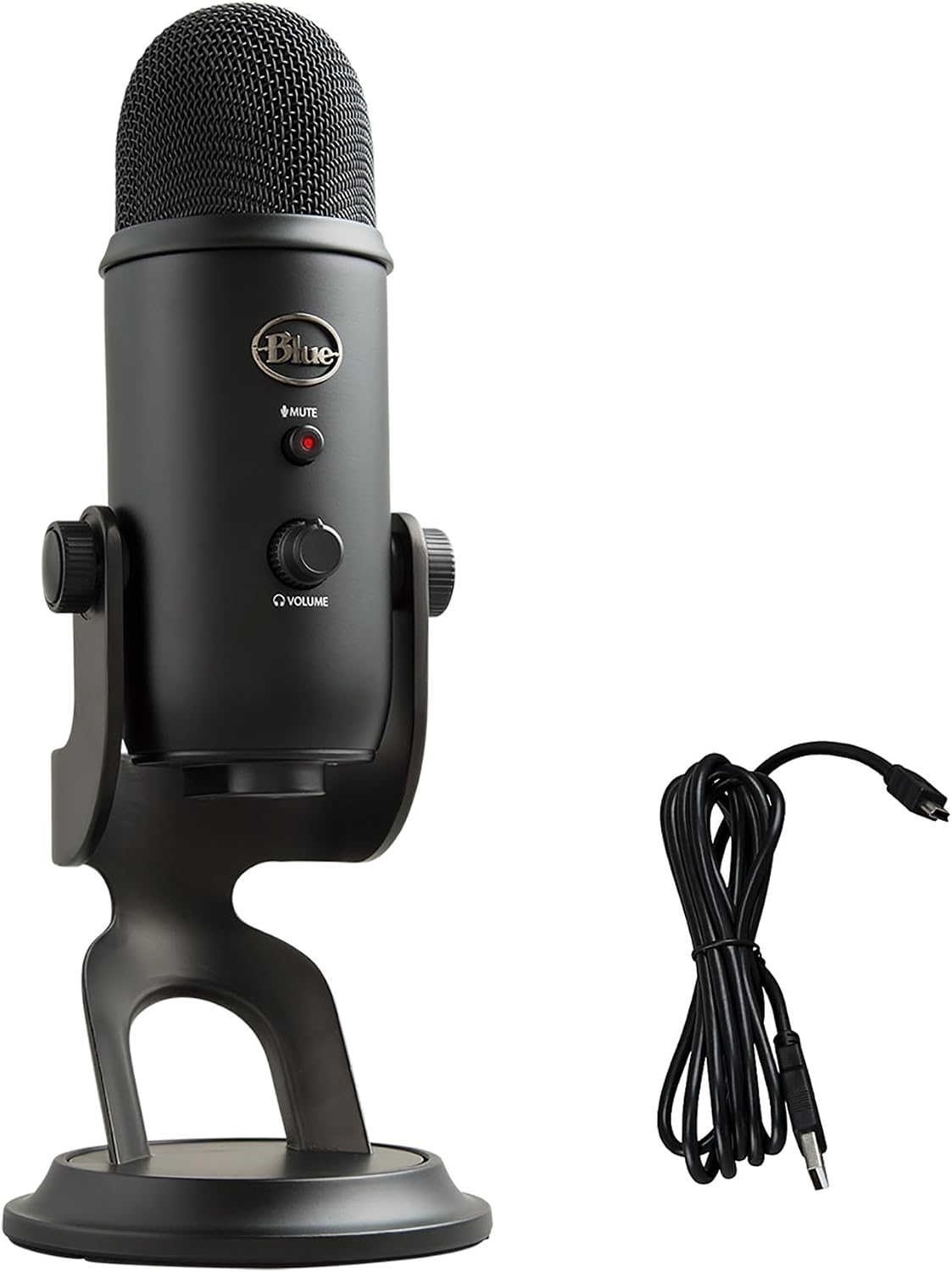
Upgrade pick: Blue Yeti
The Blue Yeti is the most recognizable USB mic on the market, and it's fine. It has multiple pickup patterns, which is genuinely useful if you're recording two people around one mic. But at ~$130, it's overpriced for what it does. The XM8500 with a ~$100 interface sounds better for less money.
 Visit on Amazon →
The bigger problem is that the Yeti is a condenser, so it picks up everything. In an untreated room, that's a liability. One buyer described it as "too sensitive" for their space. It also has a high noise floor, which means you'll hear the hiss in quiet passages.
Visit on Amazon →
The bigger problem is that the Yeti is a condenser, so it picks up everything. In an untreated room, that's a liability. One buyer described it as "too sensitive" for their space. It also has a high noise floor, which means you'll hear the hiss in quiet passages.
Flaws but not dealbreakers
The Yeti is fine if you need USB convenience and multiple patterns. But you're paying for the brand and the looks. The XM8500 plus an interface is a better use of ~$130. This is the mic for people who want something that works out of the box and looks good on camera, and don't care about maximizing sound quality per dollar.
The competition
The FIFINE K669B is a ~$35 condenser that's fine for Zoom calls but picks up too much room noise for podcasting. The ZealSound USB mic is similar: plug and play, but no upgrade path and you're locked into USB forever.
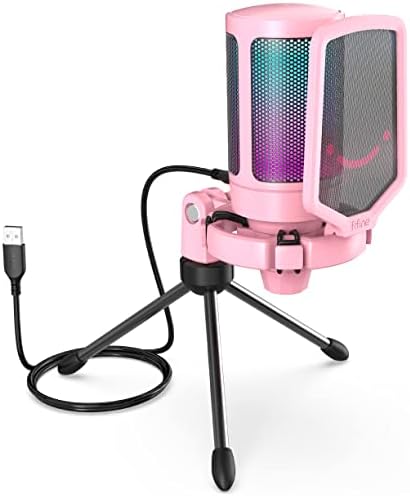
The FIFINE A6V is a gaming mic with RGB lighting, which tells you where its priorities are. The FIFINE K688CT kit is a dynamic with USB/XLR, but the included accessories are cheap and the mic itself doesn't outperform the XM8500.
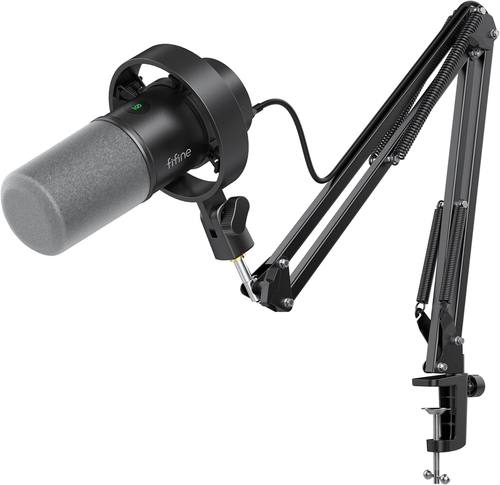
The first ~$200 of gear I'd recommend: an XM8500 (catch it at ~$20 if you can, it's still worth ~$40), a Scarlett Solo interface for around ~$100, a proper mic clip for ~$10, and a used boom arm for ~$30.
That's about ~$180. You'll get a recording that sounds 90% as good as a ~$1,000 setup. The remaining 10% is room treatment, which you can add later.
Don't buy a USB mic for ~$100. You're paying for convenience and locking yourself into a mic you can't upgrade.
The XM8500 plus interface path gives you a path forward.
The upgrade treadmill is a trap. Most people don't need a better mic. They need to move two feet away from the wall, put a rug on the floor, and learn how to use a high-pass filter. I've seen people spend ~$500 on a new mic when ~$50 of acoustic panels would've fixed everything.
"Studio quality" is marketing language. Real studios are filled with imperfect gear and imperfect rooms.
What makes a recording sound good is the person making decisions. The gear is the last 10%.
If you're starting a podcast and you have ~$200 total, buy the XM8500, the interface, and the clip. Your listeners will hear the difference, and your editor will thank you.