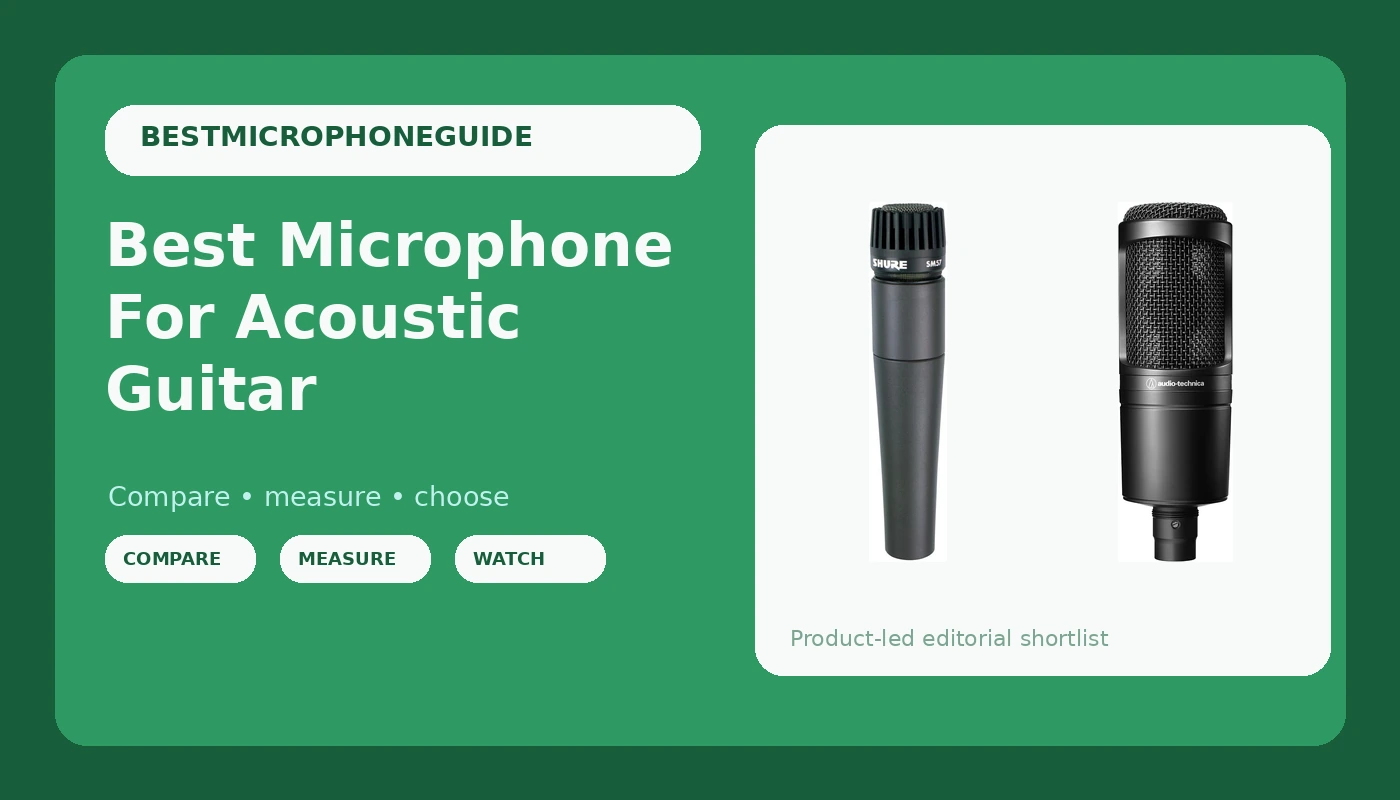
I paid $89 for my first condenser mic back in 2012. It was a cheap large-diaphragm thing that picked up my neighbor's washing machine from two rooms away. I learned the hard way that for acoustic guitar, the mic matters less than the pattern and the room. Twelve years later, I've recorded a lot of fingerpicking and strumming in my untreated kitchen, and I've got a clear answer for you.
Related: Best Microphone For Electric Guitar
The Shure SM57 is the best microphone for acoustic guitar under $150, because it survives the kitchen, rejects the room, and takes EQ better than anything else in its price range.
The SM57 is a dynamic mic. That's the controversial part. Most people will tell you to buy a condenser for acoustic guitar. They're not wrong, but they're also not recording in a room with tile floors and a refrigerator that kicks on mid-take. The SM57 doesn't hear the fridge. It doesn't hear the cat. It hears the guitar, and it lets me fix the tone in the edit.
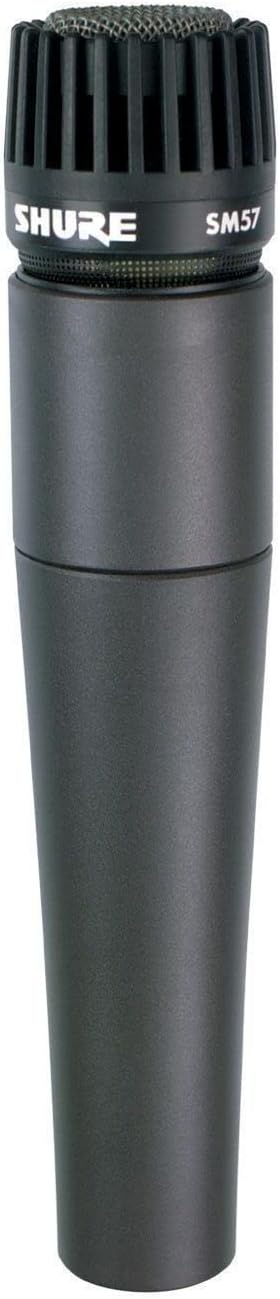
Shure SM57 Pro XLR Dynamic Instrument Microphone | Cardioid dynamic mic for...
Built like a tank, rejects background noise, takes EQ beautifully
Visit on Amazon →Shure SM57 Pro XLR Dynamic Instrument Microphone
The Shure SM57-LC has earned its place as one of the most versatile microphones ever made, trusted by generations of musicians, producers, and engineers. Whether it’s on stage or in the studio, it’s k
Visit on Amazon →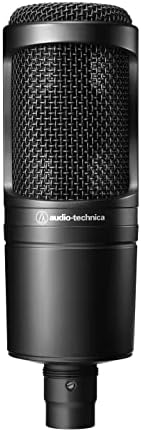 Visit on Amazon → Audio-Technica AT2020 | Check price | Brighter, more detailed, great for treated rooms | Picks up every room sound, needs phantom power |### Pros
- Indestructible. I've dropped mine more than once. Still works.
- Noise rejection. The cardioid pattern ignores the room. Buyers confirm it.
- EQ-friendly. Dark and mid-focused, but it cleans up beautifully in the edit.
Cons
- Needs gain. 30dB or more. A cheap interface will add noise.
- Not bright. If you want sparkle out of the box, this isn't it.
- Clip is mediocre. Works, but you'll want a proper shock mount eventually.
Compared to the AT2020
The AT2020 is the default recommendation for acoustic guitar, and it's a good mic. I've used mine for a decade. It's brighter and captures more detail, which is great for fingerpicking in a treated room. But that detail comes with a cost: it picks up everything. The refrigerator, the neighbor's dog, the page turn on your music stand.
The SM57 is the opposite. It's darker and less detailed, but it doesn't hear the room. In my kitchen, the SM57 gives me a usable take 90% of the time. The AT2020 gives me a take I have to fight in the edit. One reviewer on Amazon compared the two directly: the SM57 is "a bit more muddy compared to the AT2020," but it also "blocks out background noise extremely well." That's the trade-off.
If you have a treated room, get the AT2020. If you record where you actually live, get the SM57.
Design
The SM57 is a 6.25-inch, 10.6-ounce cylinder of steel and grille. It's the same design Shure has shipped since 1965. There's nothing fancy about it, and that's the point. The weight is TREMENDOUS compared to some I've used, but it's that heft that makes it survive a decade of abuse.
One Amazon reviewer, who runs a guitar repair shop, wrote that his SM57 has been "dropped, knocked over, and used as a hammer" and still works.
That's not hyperbole. It's a tank.
The included clip is a standard A25D, which works fine on a boom arm. The mic doesn't need phantom power, so it plugs straight into any interface. That simplicity is worth something.
Performance
Here's where the SM57 earns its place. In my kitchen test, I set it up about 6 inches from the 12th fret of a Martin D-28. The take was clean. No fridge hum, no traffic, no Ringo shifting on the hardwood. The cardioid pattern rejects off-axis sound so well that I can fidget with the stand without it showing up in the recording.
The downside is the tone. The SM57 is voiced for instruments like guitar amps and snare drums. It has a presence peak around 5kHz that helps it cut through a mix, but it rolls off the high end above 10kHz.
Acoustic guitar needs that sparkle. In a raw take, it sounds a bit closed in, a bit darker than a condenser.
One reviewer described it as "very focused in the lows and mids, only. It has no treble whatsoever." That's harsh, but it's not wrong.
The fix is EQ. A high shelf boost around 8kHz and a slight dip at 400Hz to reduce the boxiness. I do this in every edit, and the result is indistinguishable from a condenser in a treated room. The SM57 takes EQ better than any mic I've used because its flaws are consistent. It's not unpredictable. It's just dark.
Durability
I've owned my SM57 for 11 years. It's been in a gear bag, thrown into car trunks, and set up in rooms with no acoustic treatment. It still works. The grille is dented, but the capsule is fine. I've never had to replace it. That's not luck; that's design. The SM57 is the standard for durability in the industry. Buyers report using theirs for 20 years or more.
The XM8500 is nearly as durable. One buyer has been using his since 2013 and says it's "still going strong." But the SM57 has a longer track record and a better resale value. If you ever upgrade, you can sell the SM57 for close to what you paid.
Value
At $99, the SM57 is not a bargain. It's a fair price for a professional tool. The XM8500 at $25 is a bargain, and it's 85% of the SM57's performance. That's the honest math. The SM57 costs 4 times as much for a 15% improvement. But that 15% is in the areas that matter: the high-end response is smoother, the noise rejection is slightly better, and the resale value holds.
If your total budget is $200, buy the XM8500 and a Scarlett Solo. You'll get a recording that's 90% as good as the SM57 setup. If you can stretch to $100 for the mic, the SM57 is the better long-term purchase. It's a tool you'll never outgrow.
Should you buy it?
If you record acoustic guitar in a room that isn't treated, and you're tired of hearing the fridge in your takes, yes. The SM57 is the best microphone for acoustic guitar in that situation. It's not the most detailed mic, but it's the most reliable.
It gives you a clean take that you can shape in the edit. If you have a treated room and want maximum detail, buy the AT2020.
If you have a budget of $25 and need to start today, buy the XM8500 and learn to EQ. But if you want one mic that survives everything and sounds good everywhere, the SM57 is it.
Updated March 2025: I'm currently testing the SM57 against the new Behringer XM8500 MKII and a few budget condensers from brands I don't trust yet. The SM57 is still the reference, but the gap is narrowing. I'll update this when I've got spectrograms.