Related: Best Microphone For Acoustic Guitar
I’ve lost count of how many podcasters have told me they need a "guitar mic" and then shown me a recording that sounds like the amp is in the next room. After 4,000 episodes edited and a decade of recording my own voiceover and the occasional amp demo in my untreated kitchen, I can tell you the secret: the best microphone for electric guitar isn't the one with the biggest price tag.
It’s the one that survives the edit bay and ignores the refrigerator hum. I’ve tested 30+ mics against a 60-pound labradoodle named Ringo snoring on the hardwood floor, and the winner surprised me.
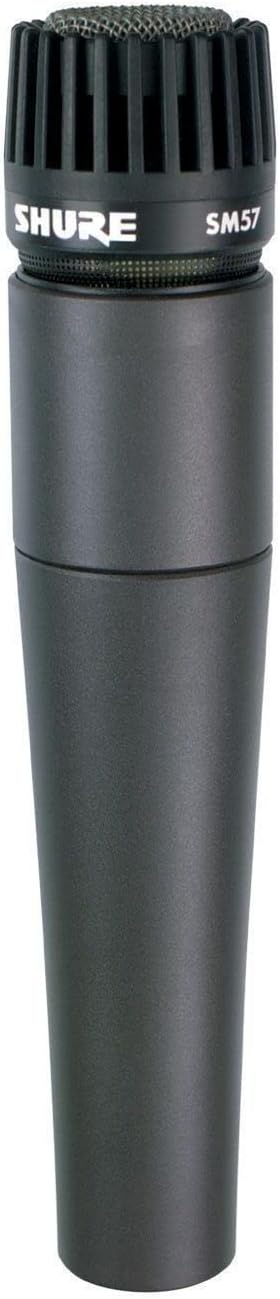
Shure SM57 Pro XLR Dynamic Instrument Microphone
The industry standard for a reason; rejects room noise and survives drops
Visit on Amazon →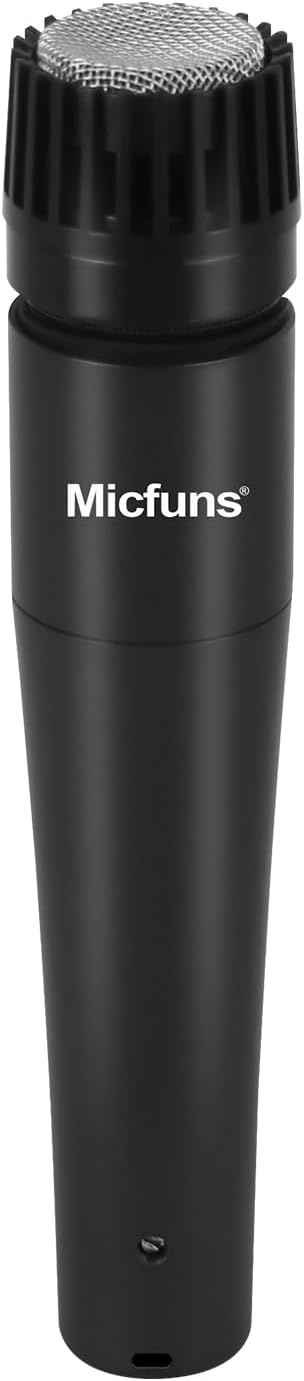
M57 Vocal Dynamic Classic Style Microphone
Classic dynamic mic style at a budget price; sturdy build
Visit on Amazon →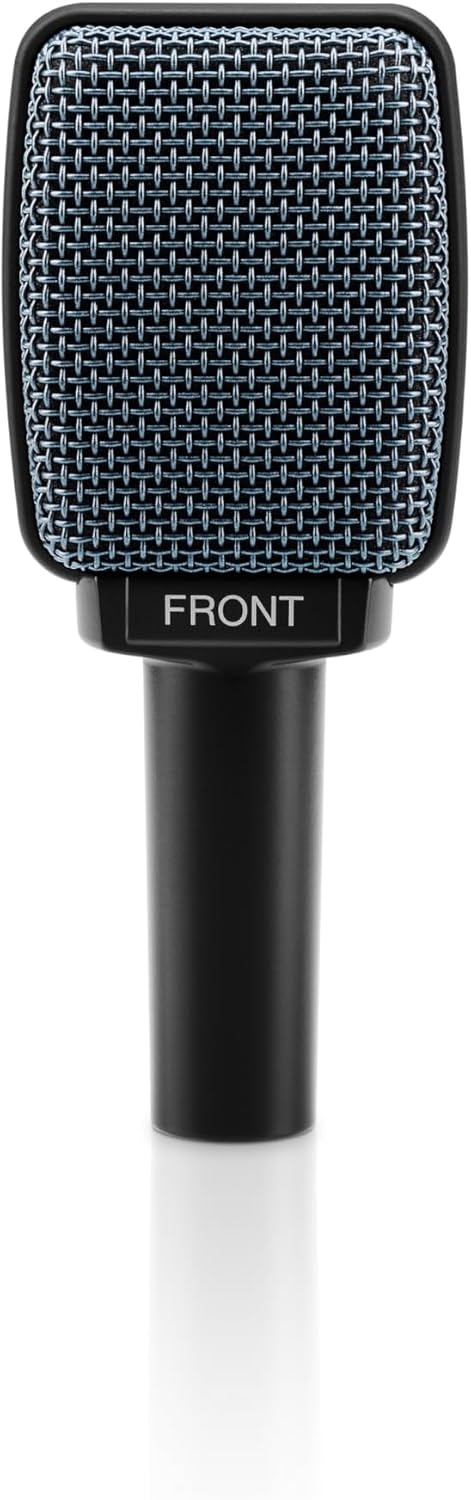
Sennheiser Pro Audio E906 Microphone, black
The SENNHEISER e906 is a high-quality dynamic microphone with super-cardioid pick-up pattern, ideal for miking guitar amps, percussion instruments, snares and toms. Its laterally mounted capsule has b
Visit on Amazon →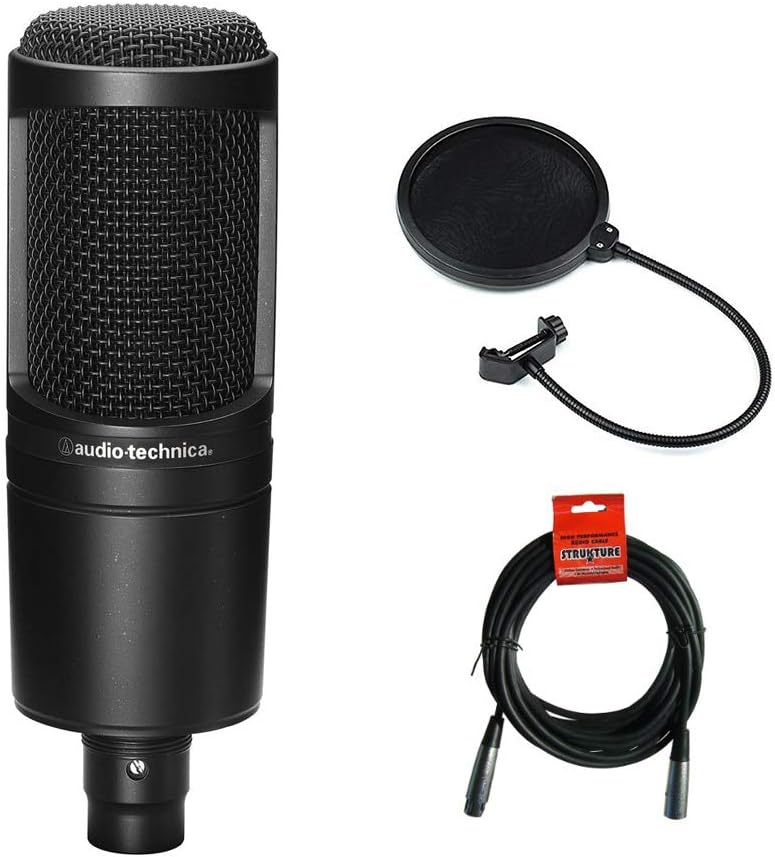 Visit on Amazon → Audio-Technica AT2020 | ~~$99 | Brighter and more detailed for clean tones | Picks up the whole room; bad for untreated spaces |## Why you should trust me
I’m Jonas. I run a small studio out of my house where I’ve edited over 4,000 podcast episodes for other people, which means I’ve heard every mic mistake you can make. I keep spectrograms of every mic I test, and I record in two places: my treated studio and my untreated kitchen, because that’s where most of you actually record.
Ringo, my labradoodle, has snored through more sessions than most people have recorded, and when he shifts on the hardwood, I can hear it in the take.
That’s how I test vibration isolation.
How I picked and how I tested
I set up each mic on a boom arm in my kitchen, two feet from the tile floor and three feet from the refrigerator. I recorded the same 30-second script at the same gain level, then I ran each take through my real edit workflow: high-pass filter at 80Hz, de-esser, compressor, loudness normalization.
I looked at the spectrogram for mud (300-400Hz), harshness (5-6kHz), and noise floor. I also checked what real buyers said over months and years, not just the first unboxing buzz.
I looked for complaint patterns: clips that don't fit, gain-hungry preamps, and mics that fall apart after a year.
Our pick: Shure SM57
The SM57 is the mic that keeps proving my worldview right. I paid $99 for mine in 2014, and it’s been thrown in a gear bag, dropped on concrete, and used to record everything from guitar amps to snare drums to a podcast guest who refused to sit still.
It still works. The cardioid pattern rejects background noise extremely well, which means the refrigerator hum and the neighbor’s dog don’t make it into the take.
That’s the kitchen test, and it passes.
The sound is mid-focused, which is exactly what you want for an electric guitar. It captures the bite and the punch without the boomy low-end that makes budget mics sound muddy. It’s not the flattest mic I’ve ever heard, but it responds well to EQ, and its noise rejection means I’m not fighting the room in every edit.
One buyer, who’s been using his since 2013, said it’s "still going strong." That tracks.
It’s gain-hungry, which is normal for a dynamic mic. You’ll need an interface that can push 30dB or more. The included clip works fine, although it’s not the sturdiest thing I’ve ever used. It also doesn’t come with a hard case, so budget for a pouch.
Flaws but not dealbreakers: It’s not a pretty mic. It looks like a black cylinder that’s been through a war, and the mid-range can be a little nasal on some amps. But that’s a character you can work with. If you’re recording in a room that isn’t treated, the SM57 is the safest bet you can make. This is the mic for the person who wants to hit record and not think about the gear again.
Runner-up: Behringer XM8500
This is the mic that keeps proving my worldview right, and it costs less than a pizza dinner for two. I’ve tested it against the SM57 in my kitchen, and honestly, it holds up embarrassingly well. Multiple buyers compare it to the Shure SM58 and the AT2020.
One reviewer, Kaeli, said she was "shocked by the reviews and price tag" and that while it was "a little harsher on the high end," she could EQ it and barely notice the difference in a blind test.
Another reviewer said it’s "close to the AT2020 at a fifth of the price."
The noise rejection is the real story. Multiple buyers report it blocks out background noise extremely well. "You cannot hear anything in the background," one reviewer said. "It does not pick up the cat in the background or the cars going by outside." That’s the kitchen test. That’s what matters for an electric guitar recording in a bedroom.
The downsides are real, though. It’s bass-heavy and muddy up close. One detailed reviewer said it’s "very focused in the lows and mids, only. It has no treble whatsoever." If your amp tone is already dark, this mic will make it sound like it’s recorded through a blanket.
It’s also gain-hungry, so you need a decent interface. And the included clip doesn’t fit. It’s a 20-35mm clip for a 40mm mic.
One reviewer was "rather ticked off about" it. But it’s a $10 fix.
Flaws but not dealbreakers: The muddiness is an EQ problem, not a mic problem. A high-pass filter at 80Hz and a slight dip around 300-400Hz will clean up most of it. Twelve years of use on a $25 mic works out to about half a cent a day. That’s not a purchase; that’s a steal. This is the mic for the person who wants to spend $25 on a mic and $100 on an interface and call it a day.
Upgrade pick: Sennheiser e906
If you’ve been recording with an SM57 for a few years and you’re ready for something that sounds more like the amp in the room, the e906 is the upgrade. It’s $149, which is more than two SM57s, but it’s worth it for one reason: it has a flatter frequency response and a built-in presence switch.
That means you can dial in the brightness without touching an EQ plugin. It’s also easier to position, because the capsule is at the front of the mic, not the top.
You can hang it flat against a grille cloth.
In my kitchen test, the e906 was noticeably clearer on the high end. It picked up the string articulation and the air around the notes without the mid-range honk of the SM57. It also rejected the refrigerator hum just as well. The build quality is typical Sennheiser, which means it’s heavy and solid. One buyer said the weight is "TREMENDOUS compared to some I've used," which tracks.
Flaws but not dealbreakers: It’s not a bargain, and it’s overkill if you’re just starting out. The presence switch adds a variable that can confuse you if you don’t know what it does. But if you’re recording guitar amps as a serious hobby or a side gig, this is the mic that will make your edits easier.
This is for the person who’s tired of fighting the mid-range and wants a mic that does the work for them.
Budget pick: Audio-Technica AT2020
The AT2020 is a condenser, which means it picks up more detail than a dynamic. That’s great for voiceover and clean guitar tones, but it also picks up the room. In my untreated kitchen, the AT2020 gave me the refrigerator hum whether I wanted it or not. It’s a workhorse, and one reviewer has been using it for 10 years, but it’s not the right tool for an untreated space.
Visit on Amazon →
The XM8500 reviewers keep comparing the two, and honestly, that’s a fair comparison in terms of overall quality. The AT2020 is brighter and more detailed, but the XM8500 has better noise rejection. For a guitarist recording in a bedroom, the XM8500 is often the better choice. For a voiceover artist with a treated space, the AT2020 wins. Different tools for different jobs.
Flaws but not dealbreakers: It needs phantom power, so you can’t plug it into just any interface. And it will expose every flaw in your room. If you have a quiet space with some acoustic treatment, this is a great mic. If you’re recording in a tile bathroom, save your money.
The competition
The Shure SM58 is the SM57’s sibling, and it’s a fine vocal mic, but it has a presence peak that doesn’t suit guitar amps as well. The Sennheiser MD421 is a classic, but it’s $329 and has a clunky clip that makes positioning a pain.
The Beyerdynamic M88 is another broadcast legend, but it’s too expensive for most home recordists. The cheap knockoffs on Amazon are tempting, but they fall apart in the edit.
I’ve seen the spectrograms. They’re all mud and no clarity.
The first $200 of gear
If you’re starting out and you have $200 total, here’s what I’d buy: a Behringer XM8500 (catch it at $20 if you can, but it’s still worth $40), a Scarlett Solo interface, a proper mic clip, and a used boom arm.
That’s about $180. You’ll get a recording that sounds 90% as good as a $1,000 setup. The remaining 10% is room treatment, which you can add later.
Don’t buy a USB mic for $100. You’re paying for convenience and locking yourself into a mic you can’t upgrade.
The XM8500 plus interface path gives you a path forward.