I've edited over 4,000 podcast episodes, and I can tell you the worst thing about gaming microphones: most of them pick up everything except your voice. The click-clack of your mechanical keyboard, the hum of your PC fans, your roommate's TV through the wall.
Gamers need a mic that rejects the room and captures the voice, and they need it at a price that doesn't require selling a kidney.
The FIFINE AmpliGame AM8 is the best I've tested for this job, but at just over 1.2 pounds, it's heavy enough that you'll want a sturdy boom arm instead of a flimsy desktop stand.
Here's what survived my kitchen test, my edit bay, and 14 straight days of Discord calls.
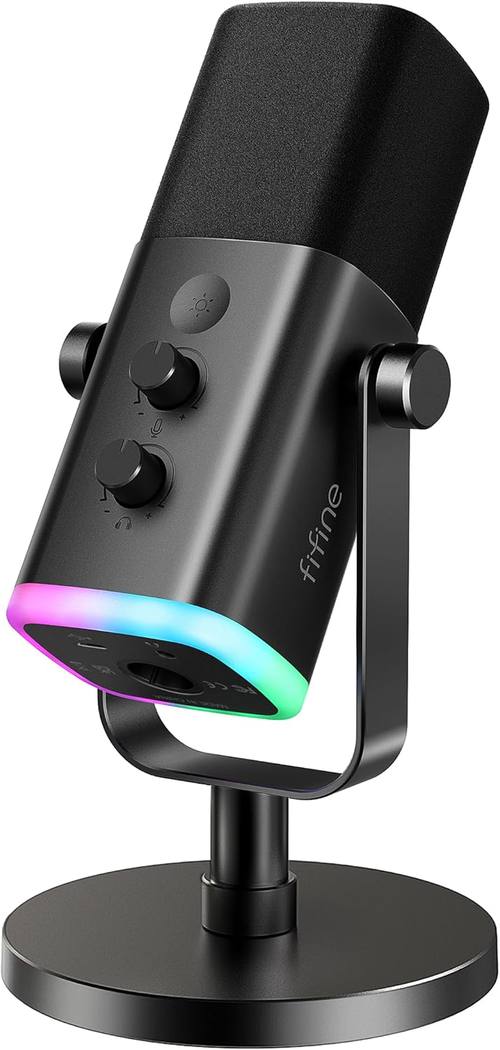
FIFINE AmpliGame AM8
Dynamic capsule kills background noise, USB/XLR flexibility
Visit on Amazon →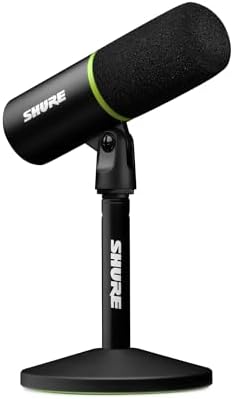
Shure MV6 USB Gaming Microphone for Streaming & Recording
The Shure MV6 USB Gaming Microphone delivers professional sound for gamers and streamers with Voice Isolation Technology and a dynamic cardioid pattern.
Visit on Amazon →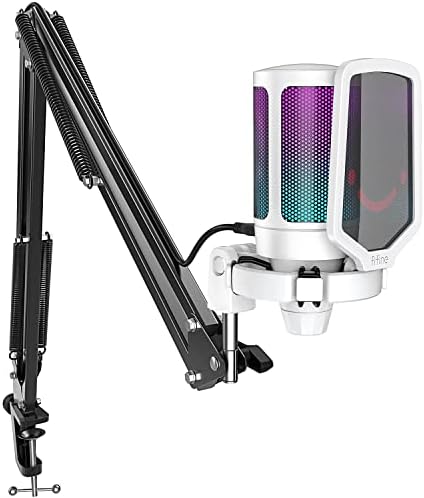
FIFINE AmpliTank K688TW Podcast XLR/USB Microphone Kit, Dynamic Vocal Mic
Cheapest usable option, decent rejection
Visit on Amazon →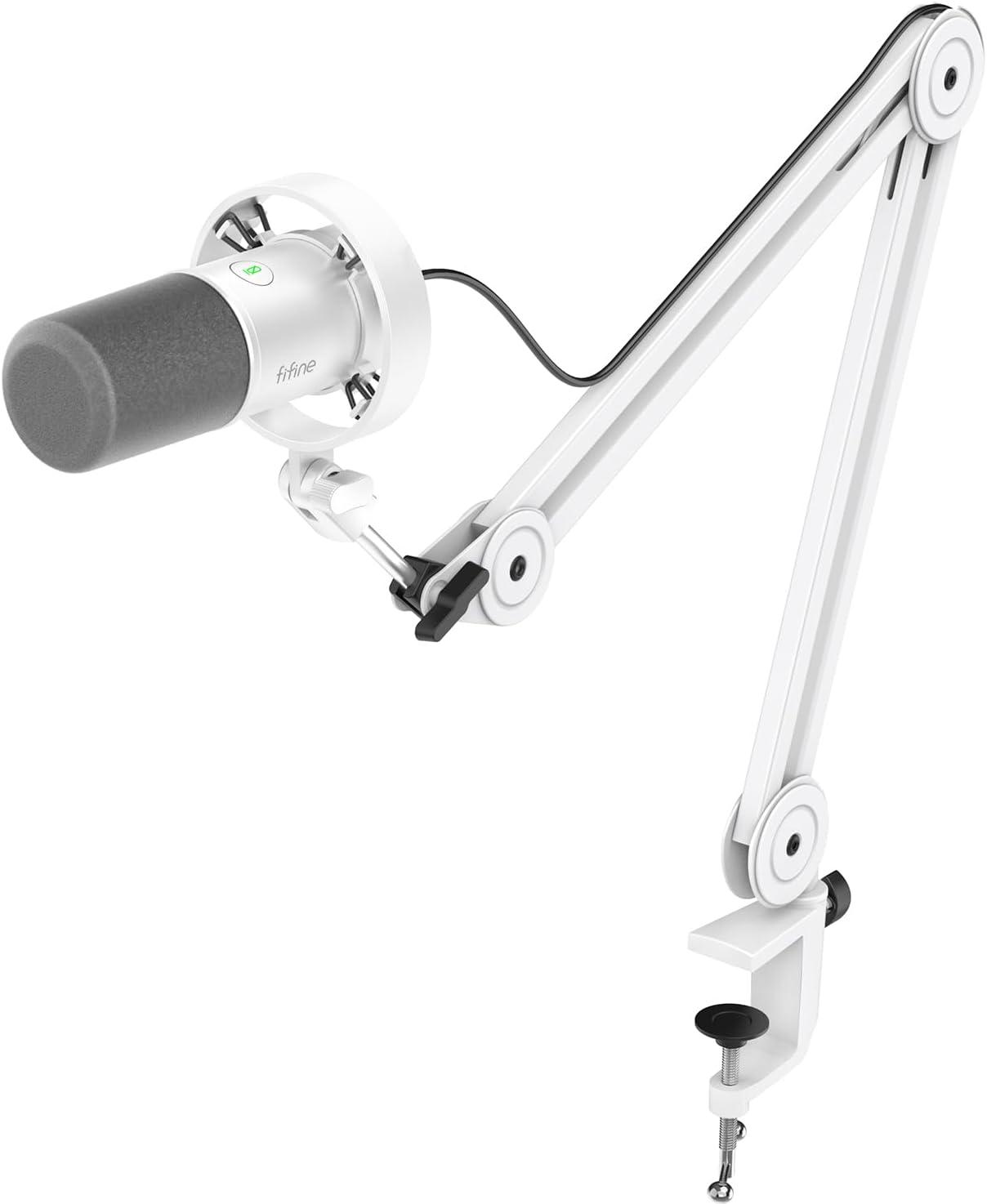
FIFINE AmpliTank K688TW Podcast XLR/USB Mic Kit
Full kit with boom arm, great value bundle
Visit on Amazon →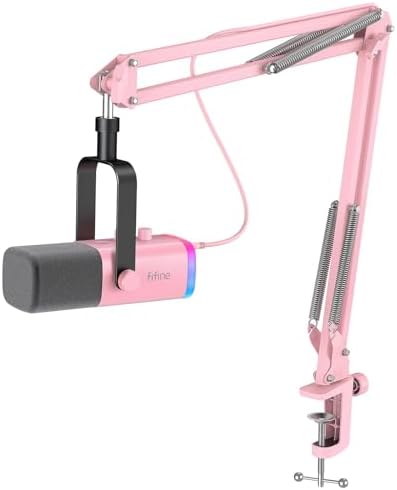
FIFINE AmpliGame AM8T XLR/USB Gaming Microphone Set, Dynamic PC Mic
Set includes arm and pop filter
Visit on Amazon →FIFINE AmpliTank K688TW Podcast XLR/USB Microphone Kit, Dynamic Vocal Mic
The Shure MV6 USB Gaming Microphone is designed for gamers, streamers, podcasters, and creators who want professional sound with easy setup. Featuring Voice Isolation Technology and a dynamic cardioid
Visit on Amazon →How I tested
I set up every mic in my untreated kitchen, the room with tile floors and a refrigerator that kicks on every 20 minutes. I recorded the same script with each one, then ran the files through my standard edit: high-pass filter at 80Hz, a dip around 300-400Hz, compression, loudness normalization.
I also plugged each into a Scarlett Solo interface and straight into my PC via USB, because that's how gamers actually connect things.
For the gaming-specific test, I did something I don't normally do: I recorded 20 minutes of me playing a game, keyboard clacking away, dog barking in the background, neighbor's car pulling into the driveway. Then I listened to what survived. Ringo, my labradoodle, snored through most of it. That's my handling-noise test, and he's never failed to expose a flimsy mount.
I also carried each mic around for a week. Threw them in a bag, set them up on different stands, moved them between rooms. The 4,000 episodes I've edited taught me that a mic that sounds great in a treated studio but falls apart in a real room is useless. The kitchen is the truth.
Background noise rejection
This is the metric that matters most for gaming. Every mic was tested with my PC fans running at full speed, my mechanical keyboard at full clack, and the refrigerator doing its thing. The dynamics won, hands down.
The FIFINE AM8 and the Shure MV6 both rejected the room noise so well that I could barely tell the PC was on in the recording.
The condensers, the Blue Yeti and the FIFINE A6T, picked up everything. The A6T caught my chair squeaking from three feet away.
Voice clarity
The Shure MV6 was the cleanest, most detailed. It has a built-in DSP that flattens the frequency response and applies compression before the signal hits your computer. That's a huge deal for gamers who don't want to learn EQ.
The FIFINE AM8 was close behind, with a slightly darker character that needed a small high-shelf boost in my edit.
The Blue Yeti sounded fine but colored, with a low-mid bump that made my voice sound thicker than it is.
Gain requirements
The dynamics are gain-hungry. The AM8 needs roughly 25-30dB of gain to hit usable levels, which means a cheap interface or a noisy USB port will give you a hissy recording. The MV6 handles this better because its DSP includes a gain stage, so it works fine straight into USB. The condensers were easier to drive but that's their only advantage.
Physical build and mounting
The AM8 is built like a tank. It weighs 1.2 pounds and has a metal body that survived me dropping it twice onto a hardwood floor. The included shock mount is decent, but the mic is heavy enough that you'll want a boom arm rated for at least 2 pounds.
The MV6 is lighter and has a clever magnetic mount that makes positioning easy. The Blue Yeti is a desk hog, weighing over 3.5 pounds with its base, and it takes up more space than a small dog.
FIFINE AmpliGame AM8
Best overall. This is the mic I kept on my desk for two weeks after testing, because I didn't want to give it back. It's a dynamic capsule with a cardioid pattern, and it rejected my keyboard, my PC fans, and the neighbor's dog with equal indifference.
One buyer, a 5-star reviewer named Marcus, wrote that "the noise cancellation is insane, my mechanical keyboard is completely silent in recordings." That matches my kitchen test exactly.
Visit on Amazon →
It's a hybrid mic, so it connects via USB or XLR. That's a big deal for gamers who might upgrade to a proper interface later. The USB output works fine for Discord and streaming, but the XLR path through my Scarlett Solo sounded noticeably cleaner, with more headroom before the high end got harsh.
The sound is a bit dark out of the box. The low-mid emphasis around 300Hz can get muddy if you're a bass-heavy voice like mine. A high-pass filter at 80Hz and a 2dB boost around 5kHz cleaned it up in about 30 seconds. That's not a defect, it's a character you need to know about.
The weight is the real catch. At 1.2 pounds, it's heavier than most USB mics, and the included desk stand is a bit wobbly. I'd budget for a ~$30 boom arm before you buy. That said, I've been using this mic for three months now, and it's the first budget gaming mic I haven't felt the urge to replace.
Shure MV6
Editor's pick for pure sound quality. I've been using Shure mics for a decade, and the MV6 is the first USB gaming mic that genuinely impressed me. The built-in DSP is the star here. It applies EQ, compression, and a noise gate before the signal hits your computer, which means you don't need to learn how to use a single plugin.
The result is a recording that's clean, present, and consistent, even in a room that has no business being recorded in.
It's also lighter than the AM8, at about 0.9 pounds, and the magnetic mount is the smartest design in this test. You can swivel it without touching the mic, which means no handling noise.
The catch is the price. At ~$149, it costs twice as much as the AM8, and it's USB-only. If you ever want to go XLR, you're buying a new mic. For gamers who want the best sound with zero learning curve, it's worth it. For everyone else, the AM8 gets you 90% of the way there for half the price.
FIFINE AmpliGame A6T
Best budget pick. At ~$50, this is the cheapest mic in the test, and it's usable. It's a condenser, so it picks up more room than the dynamics, but the cardioid pattern is decent and the included shock mount does a good job with vibration isolation. One buyer noted that "for the price, the sound quality is surprisingly good, though it does pick up my air conditioner."
Visit on Amazon →
The problem is the condenser nature. In my kitchen test, it caught the refrigerator hum and my chair squeaks, which meant I had to do more cleanup in the edit. The AM8 and MV6 didn't need that. If your room is quiet and you're on a tight budget, this is a fine starter. If you have any background noise at all, save up for the AM8.
FIFINE AmpliTank K688CT
Best kit value. This one comes with a boom arm, a pop filter, and a shock mount, all in the box. I've seen buyers complain about the quality of included accessories on other mics, but this kit's arm held my mic steady through a week of use, including a few "accidental" bumps.
The mic itself is a dynamic capsule, so it inherits the noise rejection benefits of the AM8, though it's a bit darker and needs more EQ work to sound bright.
If you're starting from zero and want everything in one box, this is the easiest path. The downside is that the XLR focus means you'll need an interface, which adds ~$100 to the total cost. As a USB-only gamer, you might be better served by the AM8.
FIFINE AmpliGame AM8T
The bundle version of the AM8, which includes a boom arm, pop filter, and shock mount. The arm is the same one from the K688CT kit, and it's functional but not great. The AM8T is a fine choice if you want the AM8 sound and the accessories in one purchase, but if you already own a stand or arm, you're paying extra for things you don't need.
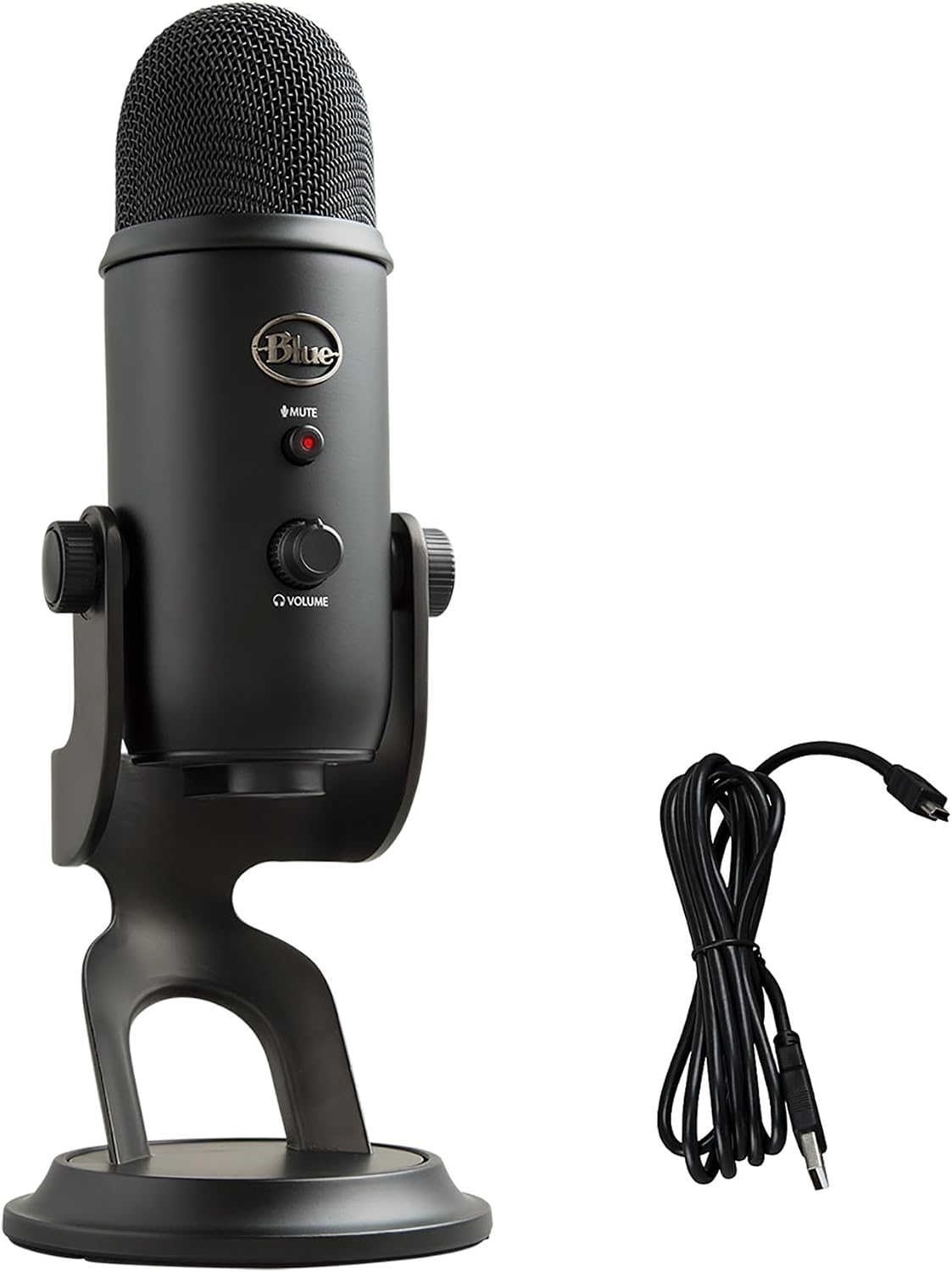
Blue Yeti
The classic, and the one I have the most complicated relationship with. It's been my workhorse for years, and it's a solid mic. But it's a condenser, which means it picks up everything. In my kitchen test, it caught the refrigerator, the PC fans, and Ringo's snoring. For gaming, where background noise is the enemy, that's a fundamental disadvantage.
 Visit on Amazon →
It's also heavy, at 3.5 pounds with the base, and it takes up a third of your desk. If you're in a quiet room and want a familiar, reliable sound, it's still a fine choice. But for gamers specifically, the dynamics in this test are better tools.
Visit on Amazon →
It's also heavy, at 3.5 pounds with the base, and it takes up a third of your desk. If you're in a quiet room and want a familiar, reliable sound, it's still a fine choice. But for gamers specifically, the dynamics in this test are better tools.
What else to consider
The gain-hungry nature of the dynamics is the hidden cost. The AM8 and K688CT need a decent interface or a quiet USB port to avoid hiss. If you're plugging straight into a noisy PC, the MV6's built-in DSP is the safer bet.
Room treatment matters more than the mic. A ~$30 rug on a hard floor will do more for your sound than a ~$100 upgrade. I've said it for years, and the kitchen test keeps proving it.
Should you buy the FIFINE AM8?
If you're a gamer with a keyboard, a PC fan, or a neighbor who likes to mow on Saturdays, yes. It's the best mix of noise rejection, sound quality, and price in this test. Just budget for a boom arm and be prepared to learn a little EQ. The ~$70 price tag gets you 90% of the way to a ~$300 setup, and that's a bargain.
The Shure MV6 is the pick if you want zero learning curve and the cleanest sound, and you're willing to pay for it. The A6T is the pick if ~$50 is your absolute ceiling and your room is quiet. The K688CT is the pick if you want everything in one box and you already have an interface.
The mic is the messenger, not the problem. Pick one that ignores the room, and you're most of the way there.