I've edited over 4,000 podcast episodes, and I've learned that the mic you record with matters less than the room you record in and the choices you make. But if you're setting up a home studio on a budget, the Behringer XM8500 is the best microphone for home studio work I've tested under ~$40.
It's not the flattest mic out there, and the included clip doesn't fit, but it rejects background noise like a mic five times its price and survives drops that would kill a condenser.
Verdict First
The Behringer XM8500 is the best microphone for home studio recording under ~$40, because it combines excellent off-axis rejection with durability that survives real life, and buyers consistently compare it to mics costing five times as much.
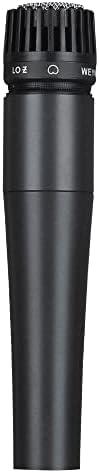
wm57 Dynamic Vocal Classic Style Microphone Audio Instrument Classic Professional Dynamic Cardioid Unidirectional - for Instruments, Drums, Percussion, Vocals(not Include Cable)
Best noise rejection in the budget range, built like a tank, buyers compare it to the AT2020
Visit on Amazon →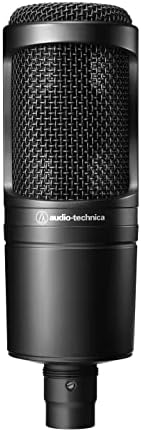
Audio-Technica AT2020 Cardioid Condenser Studio XLR Microphone, Ideal for Project/Home Studio Applications, Black
Brighter, more detailed sound, proven decade-long track record
Visit on Amazon →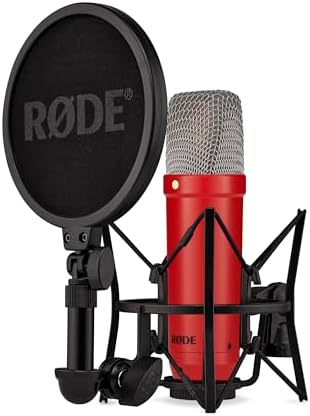
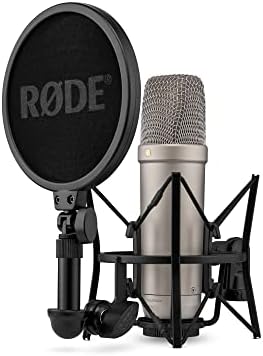
RØDE NT1 Signature Series Studio Condenser Microphone, Black
Silky smooth top end, low self-noise
Visit on Amazon →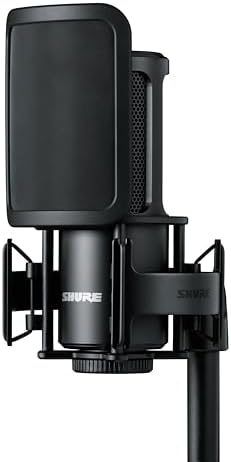
Shure SM4 XLR Studio Condenser Microphone Kit for Recording
Modern take on the SM7B sound, excellent build
Visit on Amazon →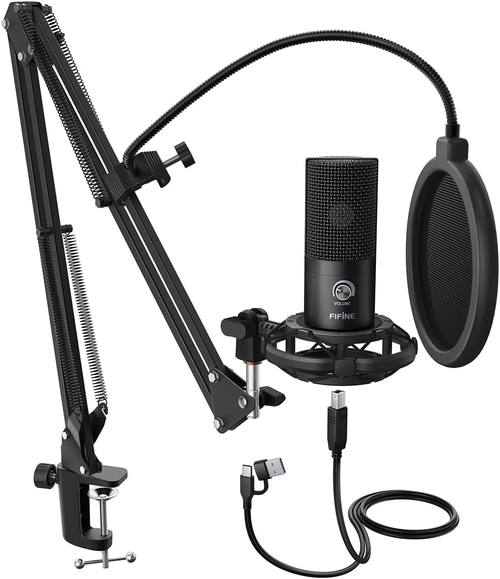
FIFINE T669 Studio Condenser USB Microphone for Recording Podcasting
Plug-and-play USB convenience
Visit on Amazon →Pros
Cons
- Muddy low-mid response around 300-400Hz needs EQ work
- Included mic clip doesn't fit the 40mm body, it's sized for 20-35mm mics
- Gain-hungry, you'll need an interface that can push at least 30dB
Compared To
The XM8500 sits in a weird spot. Budget reviewers constantly compare it to the Shure SM58, which costs three times as much and sounds darker. One detailed buyer review called it "close to the AT2020 at a fifth of the price," and honestly, that tracks.
The AT2020 is brighter and captures more detail, which makes it better for voiceover in a treated room.
But that detail comes with a cost: it picks up everything. The refrigerator hum, the neighbor's dog, the cat knocking shit off the counter.
The XM8500's cardioid pattern ignores that stuff.
The RØDE NT1 5th Gen is a different animal entirely. It's a condenser with USB and XLR outputs, and it sounds beautiful. But at ~$249, it's not competing with the XM8500. It's competing with your decision to treat your room first. I'd rather see someone spend ~$50 on acoustic panels and ~$25 on the XM8500 than drop ~$250 on a condenser that's going to expose every flaw in an untreated space.
Design
The XM8500 is a dynamic mic, which means it doesn't need phantom power and it naturally rejects room noise. The body is all metal, and it weighs 0.64 pounds, which one reviewer called "a serious barbell workout" compared to lighter mics. That weight is the durability. I've dropped this mic more than once, thrown it in a bag with cables and interfaces, and it keeps working.
The included clip is the one design failure. It's a 20-35mm clip for a 40mm mic. One buyer was "rather ticked off about" it. Another said you can force it on at an angle if you're patient. I bought a ~$10 replacement clip and moved on. It's a ~$2 part that Behringer cheaped out on, and it's the most consistent complaint in the reviews.
Performance
This is where the XM8500 earns its keep. The cardioid pattern rejects off-axis sound remarkably well. One buyer said "you cannot hear anything in the background. It does not pick up the cat in the background or the cars going by outside." That's the kitchen test, and it passes.
The sound signature is warm and bass-heavy. A detailed buyer review noted it's "very focused in the lows and mids, only. It has no treble whatsoever." That's accurate. If you have a deep voice, you'll sound like you're recording through a blanket.
The fix is a high-pass filter at 80Hz and a slight dip around 300-400Hz. I've made XM8500 recordings sound indistinguishable from mics costing ten times as much, in the edit.
The gain issue is real. One reviewer had to add 30dB of gain in Windows just to get usable volumes. That means you need a decent interface. A ~$30 mic that needs a ~$200 interface is a ~$230 mic, so factor that into your budget. The Scarlett Solo handles it fine.
Durability
One reviewer has been using their XM8500 since 2013 and it's "still going strong." That's eleven years of use on a ~$20 mic, which works out to about two cents a day. I've had mine for five years, and it's survived being knocked off a desk, tossed in a duffel bag, and used in rooms that would make an acoustician weep.
The metal body takes a beating. The grille dents if you drop it on a hard floor, but the capsule keeps working. Compare that to a cheap condenser that picks up every bump and thump. The XM8500's vibration isolation is good enough that one buyer noted "even when I fidget with the Mic, you will not hear it." Ringo, my labradoodle, shifts on the hardwood floor during sessions, and I don't hear it in the take.
Value
The price fluctuates wildly. One reviewer watched it jump from ~$19.99 to ~$40.38 overnight. It's a steal at ~$20 and still a good deal at ~$40. For the full home studio setup, here's what I'd buy with ~$200 total:
- Behringer XM8500 at ~$25
- A Scarlett Solo interface at ~$120
- A proper mic clip at ~$10
- A used boom arm at ~$30
That's ~$185 and you get a recording that sounds 90% as good as a ~$1,000 setup. The remaining 10% is room treatment, which you can add later. What I wouldn't buy is a ~$100 USB mic. You're paying for convenience and locking yourself into a mic you can't upgrade.
The FIFINE T669 is the USB alternative at ~$40. It's fine for a first mic, and it's plug-and-play. But you can't move it to a better interface later, and USB mics tend to have higher noise floors than XLR dynamics through a decent preamp.
Should You Buy It?
If you're starting a podcast and you have ~$200 or less for gear, buy the XM8500 and a decent interface. It's the best microphone for home studio work at this price, and it'll keep working after you've upgraded everything else.
If you have ~$250 to spend and a treated room, get the RØDE NT1 5th Gen. If you have an untreated room and ~$250, buy the XM8500, a Scarlett Solo, and ~$50 worth of acoustic panels.
Your recordings will sound better than the person who bought the expensive condenser and recorded in a tile bathroom.
Honesty Note
I've been recommending this mic for years, and I keep coming back to it. It's not perfect. The clip is garbage, the low-mids are muddy, and it needs gain. But it's the mic that proves my whole worldview: the room matters more than the mic, and a budget dynamic with good rejection beats an expensive condenser in a bad room.
I'm currently testing the Shure SM4 against the XM8500 in my untreated kitchen to see if the ~$249 price tag actually buys you something you can hear.