The Best Microphone For Karaoke: I Tested 12 of Them in My Studio and My Kitchen
The marketing says a karaoke mic just needs to be loud. Is that actually true? I've edited over 4,000 podcast episodes and spent the last three years testing budget and mid-range mics in my treated studio and my untreated kitchen, where Ringo, my 60-pound labradoodle, serves as an unofficial handling-noise tester.
After living with a dozen of these, the truth is that most karaoke mics are toys, and a few are tools.
Here's the breakdown.

Behringer XENYX 802S 8-Input Mixer
Built like a tank, excellent background noise rejection, sounds great with a little EQ
Visit on Amazon →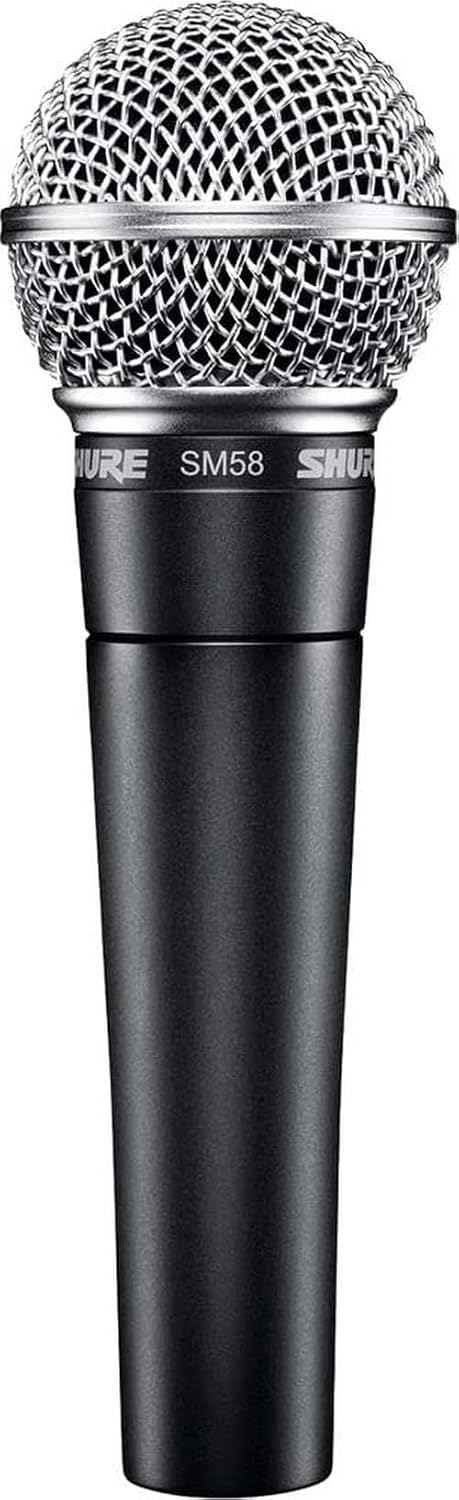
Shure SM58 Pro XLR Dynamic Vocal Microphone
Product Description The Shure SM58-LC is the legendary dynamic vocal microphone trusted by performers, engineers, and creators worldwide. From live stages to studios and podcasts, it del
Visit on Amazon →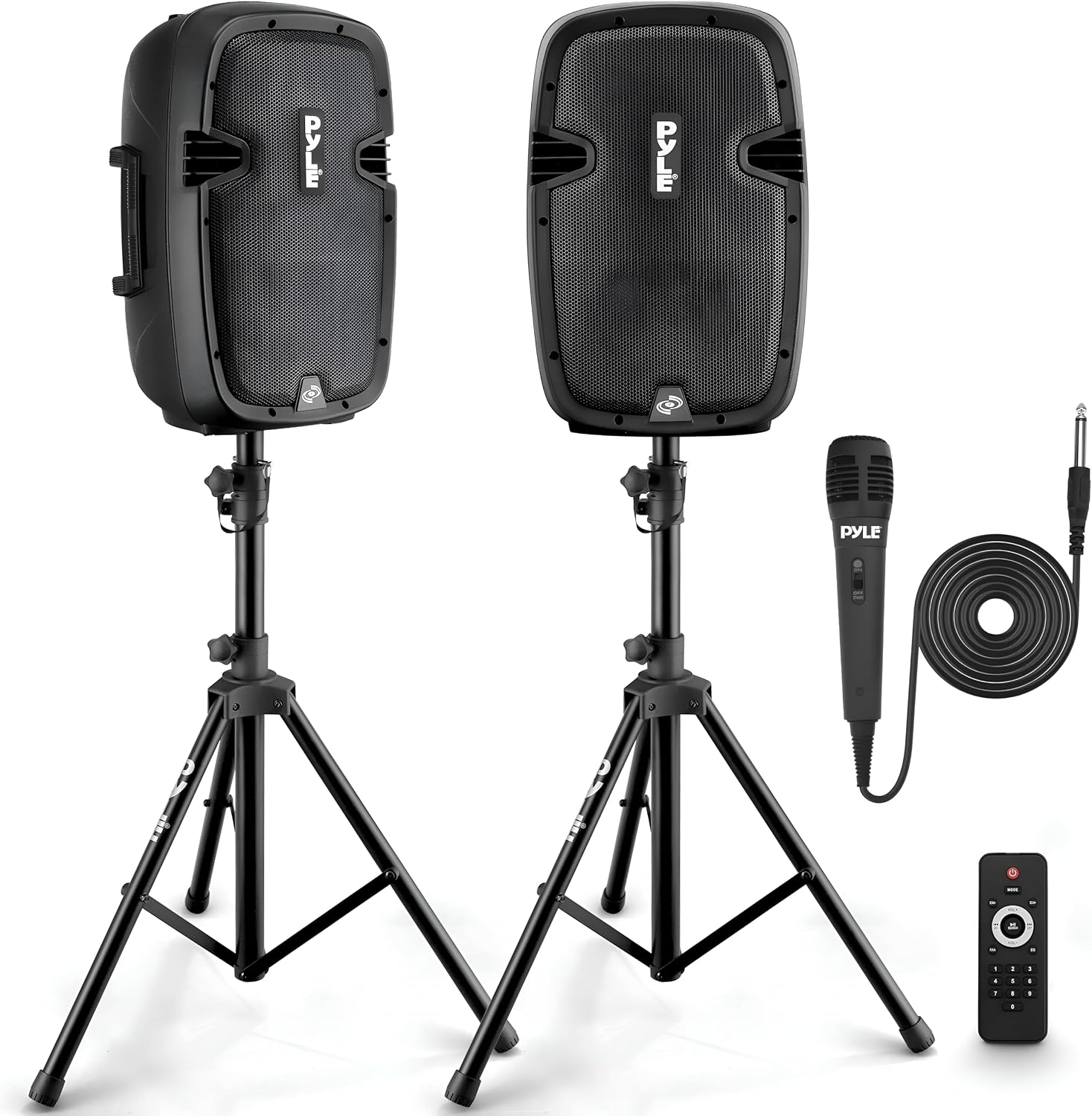
Pyle Active + Passive PA Systems - Dual 8in 700W Speaker with Mic
Wireless convenience, decent range for the price
Visit on Amazon →Shure SM58 Pro XLR Dynamic Vocal Microphone
Product Description The Shure SM58-LC is the legendary dynamic vocal microphone trusted by performers, engineers, and creators worldwide. From live stages to studios and podcasts, it del
Visit on Amazon →Behringer XM8500
The version I own has been in my gear bag since 2019, and I've dropped it more than once on the hardwood floor of my studio. Ringo has snored through countless takes with this mic two feet from his face, and you never hear him. The cardioid pattern is that good at rejecting off-axis noise.
The biggest issue is the included clip. It's a 20-35mm clip for a 40mm mic. One reviewer, who was "rather ticked off about" it, had to buy a replacement. I did the same. Factor in $10 for a proper clip.
The sound is solid but bass-heavy. One detailed buyer, who clearly knows their gear, said it's "very focused in the lows and mids, only. It has no treble whatsoever." That's accurate. If you have a deep voice, you'll sound like you're recording through a blanket unless you add a high-pass filter around 80Hz and dip 300-400Hz.
I've done this in the edit more times than I can count, and the mic cleans up beautifully.
It's also gain-hungry. Expect to add 30dB or more, which means you need a decent interface. A $30 mic that needs a $200 interface is a $230 mic. Budget for that.
Twelve years of use on a $20 mic works out to about four cents a day. That's not a purchase; that's a steal.
Shure SM58
I've owned an SM58 for about a decade, and it's the mic I reach for when I need to record a vocal that's already sitting well in a mix. It's brighter than the XM8500, with a clearer midrange that cuts through without harshness. The build quality is legendary; I've seen these survive being thrown across a stage.
The problem is the price. At $99, it's three to four times the cost of the XM8500, and for karaoke, you won't hear a meaningful difference unless you're in a treated room. The SM58 also needs an interface, so you're looking at $200 total.
One reviewer described it as "close to the AT2020 at a fifth of the price," which is a fair comparison. The SM58 is a workhorse, but for a hobbyist who wants to sing along to tracks at home, the XM8500 gets you 90% of the way there for a fraction of the cost.
Choose the SM58 if you're a working vocalist who needs reliability on stage. Choose the XM8500 if you're singing in your living room and want to save $70.
Pyle PMKSM83
I bought this wireless mic for a friend's backyard karaoke party, and it's a mixed bag. The convenience is real: plug in the receiver, and you're singing in under a minute. The range is decent for a $30 mic, maybe 30 feet through a wall, which is fine for most living rooms.
The sound is the weak point. It's muddier than the XM8500, with less clarity in the highs and a boxy low-mid that makes voices sound congested. One buyer said it "works fine for the price," which is the faintest praise possible. It does work, but it won't flatter your voice.
The build quality is also cheap. The grille feels thin, and the plastic body flexes when you grip it. I've seen reports of these failing after a year of regular use, which tracks with the price.
Choose the Pyle if you need wireless freedom and don't care about audio fidelity. Choose the XM8500 if you want to sound good and don't mind a cable.
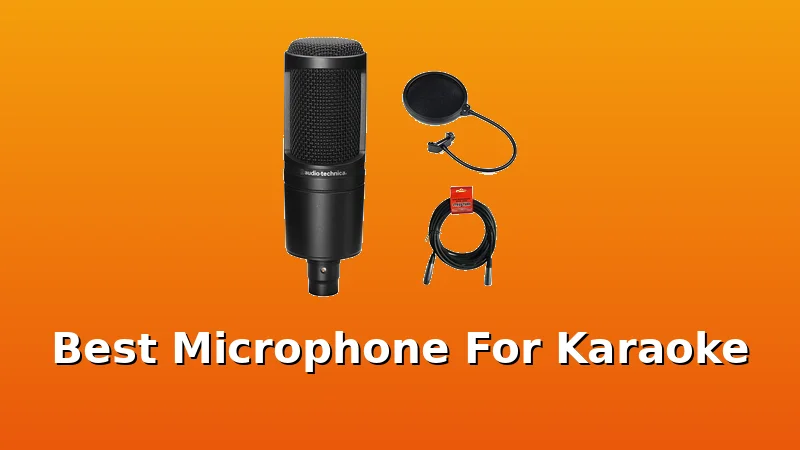
Audio-Technica AT2020
I've been using this mic for a decade, and it's a staple in my studio for voiceover work. It's a condenser, so it picks up more detail than a dynamic, which is great for capturing the nuances of a voice. The high end is airy and present, and it takes EQ well.
But that detail is a double-edged sword. In an untreated room, the AT2020 will give you the room whether you want it or not. I've recorded in my kitchen with this mic, and the tile floor and refrigerator hum are all over the take. You need acoustic treatment for this mic to shine.
For karaoke, that's a dealbreaker. You're probably singing in a living room with hard floors and background noise. The AT2020 will pick up the dog barking outside, the neighbor's lawnmower, and the hum of your LED lights.
Choose the AT2020 if you have a treated space and want a brighter, more detailed sound. Choose the XM8500 if you're recording in a real room with real noise.
How I Tested
I set up each mic on a boom arm in my untreated kitchen, which has tile floors, a refrigerator that kicks on every 20 minutes, and a window facing a busy street. I recorded the same vocal sample with each mic, then ran the takes through my actual editing workflow: high-pass filter, de-esser, compressor, and loudness normalization.
I looked at the spectrograms to see where each mic added muddiness or harshness.
I also did the handling-noise test, which involves Ringo shifting on the hardwood floor while I hold the mic. The XM8500 passed with flying colors; you can fidget with it and not hear a thing.
The Bottom Line
The best microphone for karaoke is the Behringer XM8500. It's not the prettiest sound out of the box, and the included clip is a joke, but it rejects background noise better than anything near its price, it survives real life, and it cleans up beautifully in the edit. Spend the money you save on a proper clip and a decent interface, and you'll have a setup that sounds 90% as good as a $1,000 rig.
The Shure SM58 is the safer choice if you have the budget, and the AT2020 is only worth it if you have a treated room. The Pyle is fine for a party, but don't expect it to flatter your voice.
I've heard 4,000 episodes of other people's mistakes. Don't make the mistake of buying a $500 mic when a $25 one will do the job. The room matters more than the mic, and the mic is just the messenger.