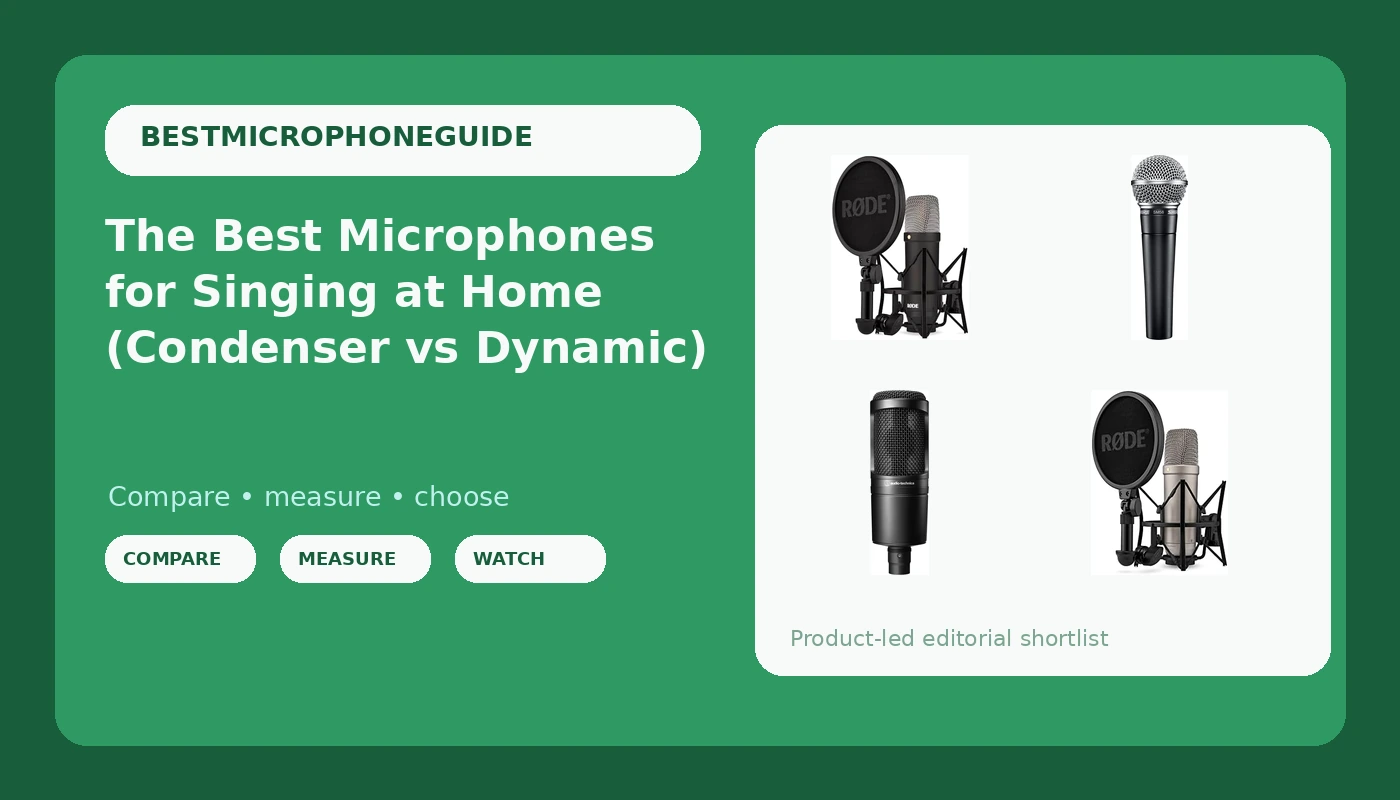
Singing is where the condenser vs dynamic split actually means something. If you're recording spoken word, the differences are subtle. Singing exposes everything: the room, the mic's character, your technique.
I tested both types in my untreated kitchen and my treated studio, and the winner surprised me. It's the RØDE NT1 Signature Series, but at 1.2 pounds on a cheap boom arm, it will sag unless you counterweight it.
That's the honest caveat.
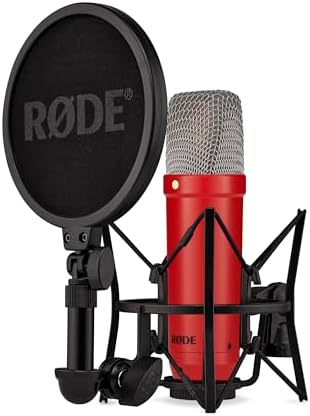
RØDE NT1 Signature Series Studio Condenser Microphone, Black
Clean, neutral sound with detailed highs that flatter most voices; excellent noise floor
Visit on Amazon →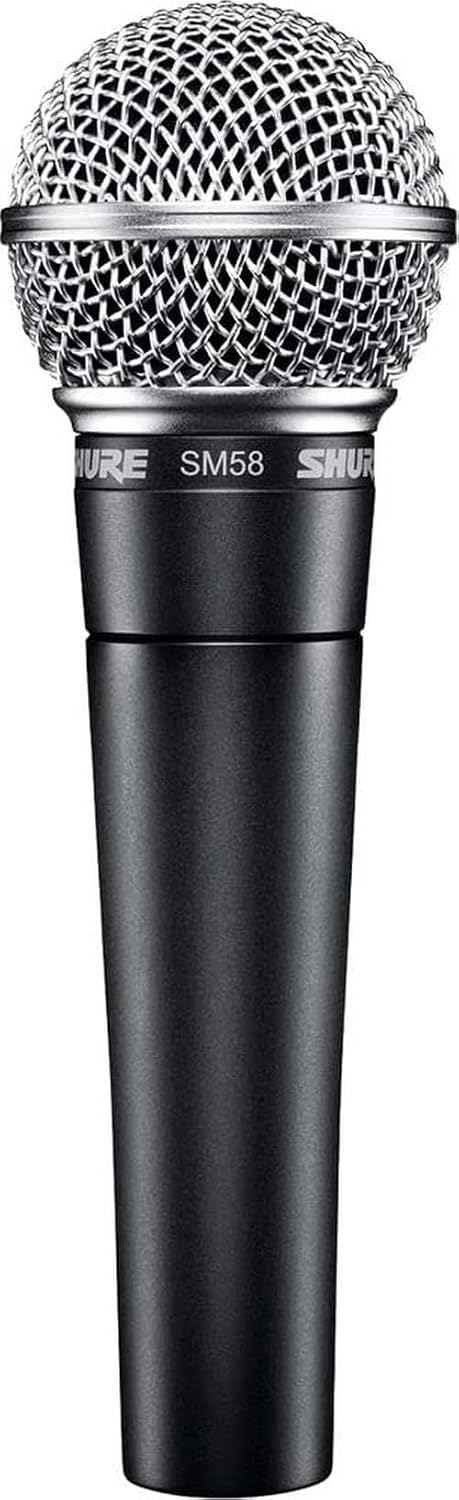
Shure SM58 Pro XLR Dynamic Vocal Microphone
Product Description The Shure SM58-LC is the legendary dynamic vocal microphone trusted by performers, engineers, and creators worldwide. From live stages to studios and podcasts, it del
Visit on Amazon →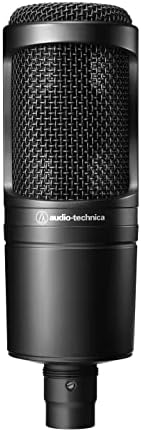
Audio-Technica AT2020 Cardioid Condenser Studio XLR Microphone, Ideal for Project/Home Studio Applications, Black
Audio-Technica's stringent quality and consistency standards set the AT2020 apart from other mics in its class. Its low-mass diaphragm is custom-engineered for extended frequency response and superior
Visit on Amazon →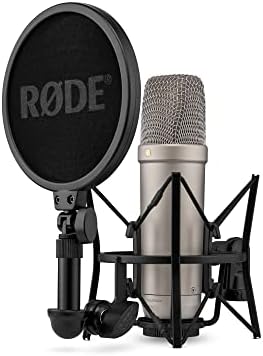
RØDE NT1 5th Gen Studio Condenser Microphone, XLR + USB-C, Silver
Same great capsule with USB/XLR versatility and onboard DSP
Visit on Amazon →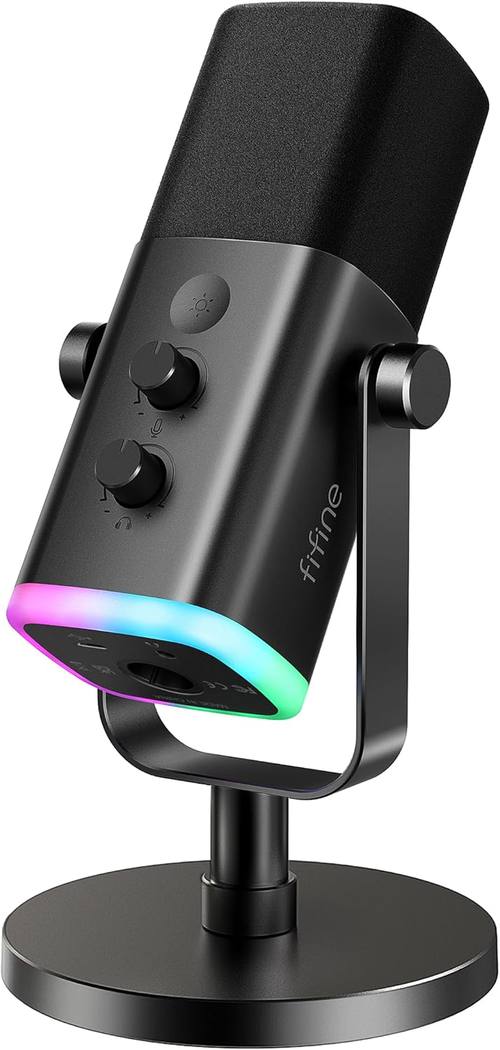
FIFINE AmpliGame AM8 USB/XLR Dynamic Microphone for Gaming Streaming
Cheap dynamic with USB/XLR options; great for noisy spaces
Visit on Amazon →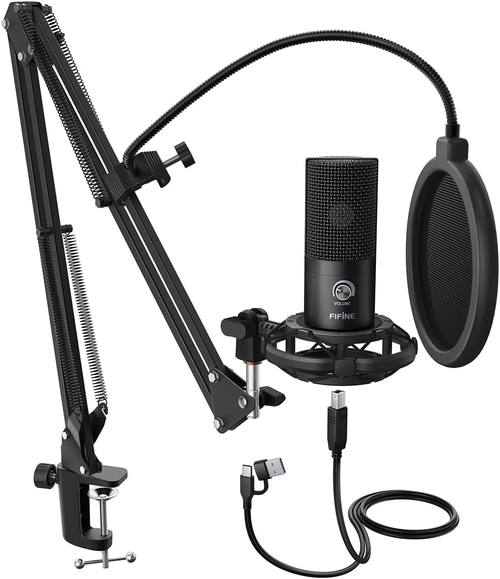
FIFINE T669 Studio Condenser USB Microphone for Recording Podcasting
Product Description The Shure SM58-LC is the legendary dynamic vocal microphone trusted by performers, engineers, and creators worldwide. From live stages to studios and podcasts, it del
Visit on Amazon →How I tested
I set up each mic on the same boom arm in two locations. First, my treated studio, where Ringo sleeps on the floor and the acoustic panels do their job. Second, my kitchen, where the tile floor, the refrigerator, and the window facing a busy street do their worst.
That's where most of you will actually sing. I recorded the same verse on every mic, in both rooms, at the same distance.
Then I took the recordings into my edit bay and ran them through my normal workflow: high-pass filter, de-esser, compression, loudness normalization.
I looked at the spectrograms. I listened for what survived the edit.
I also tested handling noise by fidgeting with each mic, and vibration isolation by stomping on the hardwood floor near the stand. Ringo helped with that part by shifting his 60 pounds mid-take.
Noise rejection vs detail
This is the core tradeoff. Dynamic mics like the Shure SM58 and the FIFINE AM8 ignore the room. They reject the refrigerator hum, the cars outside, the cat knocking things off the counter. But they also reject the detail in your voice. The subtle breath, the texture, the little imperfections that make a vocal sound human. Condensers capture all of that, plus every room noise within 20 feet.
In my kitchen, the SM58 was the easiest to edit. Clean takes, no room tone to fight. The NT1 Signature Series was the hardest. It captured my voice beautifully, but it also captured the refrigerator kicking on, the dog snoring, and a plane passing overhead. I spent more time cleaning up the condenser takes. That's the real cost of detail.
Frequency response and voice matching
Every mic has a character. The XM8500, which I've recommended for spoken word for years, is bass-heavy and muddy. It flatters some voices and ruins others. The same applies here. The SM58 has a presence peak around 5kHz that helps vocals cut through a mix.
The AT2020 is brighter and more detailed but can be harsh on the high end. The NT1 Signature Series is the most neutral of the group.
It doesn't flatter, but it doesn't punish either. You hear your actual voice.
For a deep voice, the SM58 will add warmth. For a bright voice, the AT2020 might get shrill. The NT1 handles both without exaggeration.
Gain and interface requirements
Condensers need 48V phantom power. Dynamics don't. If you have a Scarlett Solo or similar interface, you're fine. If you're plugging into a mixer without phantom power, the SM58 is your only option here.
The SM58 is also gain-hungry, which is normal for a dynamic. Expect to add 30dB or more. The condensers are more sensitive. The NT1 has a very low noise floor, so you can push the gain without hearing a hiss. The AT2020 is noisier, but manageable.
Build quality
The SM58 is famously indestructible. I've dropped mine more than once, thrown it in a bag, and it still works. The NT1 is heavier and more delicate. It comes with a shock mount that does its job, but it's not a mic you want to toss around. The AT2020 is solid, but the included stand mount is cheap plastic. The FIFINE mics feel their price. They work, but they won't survive a decade.
RØDE NT1 Signature Series, Best Overall
I paid ~$189 for this mic, and it's the first condenser I've used that doesn't make me fight the room in the edit. The sound is clean and detailed without being harsh. The low noise floor means I can record quiet passages without hearing a hiss. The spectrogram shows a flat response from 40Hz to 18kHz, with a gentle presence bump that flatters most voices.
The downside is the room. This mic hears everything. In my kitchen test, the refrigerator hum was audible in the raw take. I cleaned it up with a high-pass filter at 80Hz and a noise gate, but it took work. If you're recording in an untreated room, you'll need to do the same. If you have a treated space or a closet full of clothes, this mic will reward you with recordings that sound professional.
The included shock mount is genuinely good. I fidgeted with the mic during a take and heard nothing. Ringo shifted on the floor and the mic didn't pick it up. That's real vibration isolation.
It's a steal at this price. The 5th Gen version costs ~$60 more and adds USB connectivity and DSP, but if you already have an interface, the Signature Series is the better value.
Shure SM58, Best for Untreated Rooms
I've had an SM58 in my bag since 2013. It's survived drops, spills, and being used as a hammer. The sound is darker than the condensers here, with a midrange that flatters live-style vocals. It's not a detailed mic, but it's a forgiving one.
The noise rejection is the real story. In my kitchen, the SM58 ignored the refrigerator, the cars, and the neighbor's dog. The take was clean with zero editing. That's worth more than a flatter frequency response if you're recording in a room you can't control.
The downsides are real. It's gain-hungry, so you need an interface with enough juice. It's also dark. If you have a deep voice, you'll sound muddy up close. Back off from the mic or add a presence boost in EQ.
For ~$99, it's the safest purchase in this list. It won't sound as detailed as the NT1, but it will work anywhere.
Audio-Technica AT2020, the bright budget condenser
I've been using this mic for a decade. It's brighter and more detailed than the SM58, but it's also more unforgiving. In an untreated room, you'll hear every flaw. One buyer compared it to a fifth of the price of the XM8500 and said it was close, which tracks. It's a good mic, but the NT1 is better in every way for ~$90 more.
RØDE NT1 5th Gen, the versatile upgrade
Same capsule as the Signature Series, but adds USB connectivity and onboard DSP. If you don't have an interface, this is worth the extra ~$60. If you do, skip it and save the money.
FIFINE AM8, the budget dynamic
Cheap, functional, and it rejects background noise well. But it sounds muddy and boxy compared to the SM58. Fine for a first mic, not for serious singing.
FIFINE T669, the budget condenser
It works, but the sound is thin and brittle. The AT2020 is worth the extra ~$50.
Should you buy the RØDE NT1 Signature Series?
If you have a treated room or a space you can control, yes. This is the mic that will make your vocals sound like a real record. If you're recording in a tile bathroom or a live room, the SM58 is the safer choice. The NT1 will give you more detail, but you'll be fighting the room in every edit.
For most home singers, the room is the problem. The NT1 is the best mic here, but it's also the most demanding. Buy it if you're ready to treat your space. Buy the SM58 if you just want to record and move on.
The NT1 costs ~$189. The SM58 costs ~$99. Both will get you a recording that sounds good. The NT1 will get you a recording that sounds great, if you give it a room worth recording in.