Most people shopping for the best podcast microphones are trying to solve the wrong problem first. The microphone is rarely why a recording sounds thin, boxy, or noisy. The room is. A bare wall a foot behind your head, a fan spinning under the desk, a street with delivery trucks outside, all of it lands on the track before a single plug-in gets a chance to help.
This guide covers six products that fit one practical job: getting a clear speaking voice out of a normal apartment or home office, with no acoustic treatment and no separate studio. Four of them are microphones, one is a boom arm, and one is the stand solution most new podcasters never budget for at all. I edit other people's shows for a living, so the comparison stays on the things that survive a real edit: capsule type, how the microphone connects, what ships in the box, and how it is meant to be mounted.
Related: Dynamic vs Condenser Microphones for Home Podcasting
Quick answer
The FIFINE AmpliTank K688CT Podcast Microphone Kit, USB/XLR Dynamic Vocal Mic is the strongest fit for a first podcast setup in an untreated room because it pairs a dynamic capsule with both USB and XLR outputs, so you can start on USB today and move to an interface later without replacing the microphone. Choose the Shure MV7X XLR Dynamic Podcast & Recording Microphone - Black instead when you already own an interface or mixer and want an XLR-only dynamic mic.
Podcast microphones worth comparing
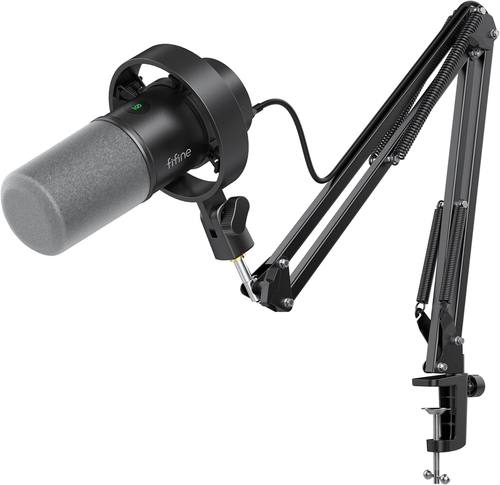
FIFINE AmpliTank K688CT Podcast Microphone Kit, USB/XLR Dynamic Vocal Mic
A dynamic vocal microphone kit with both USB and XLR outputs, so it can run straight into a computer or into an interface or mixer. The kit format bundles the accessories a first podcast setup usually needs.
Visit on Amazon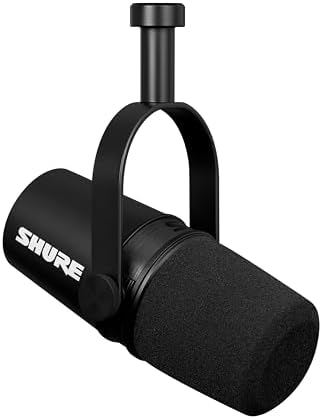
Shure MV7X XLR Dynamic Podcast & Recording Microphone - Black
A Shure XLR-only dynamic microphone built for podcast and recording work. Dynamic capsule, XLR output, and no USB path, so it needs an interface or mixer to connect to a computer.
Visit on Amazon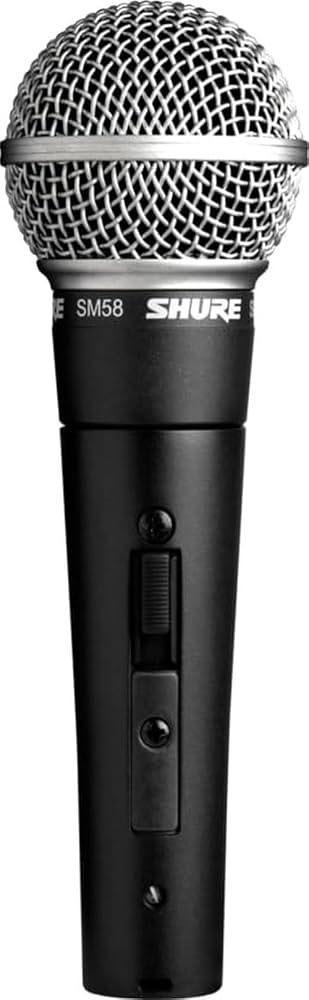
Shure SM58S Pro XLR Dynamic Vocal Microphone with On/Off Switch
The long-running XLR dynamic vocal microphone in its switched version, with an on/off switch on the body. A handheld, close-mic design that also works for voice in less than ideal rooms.
Visit on Amazon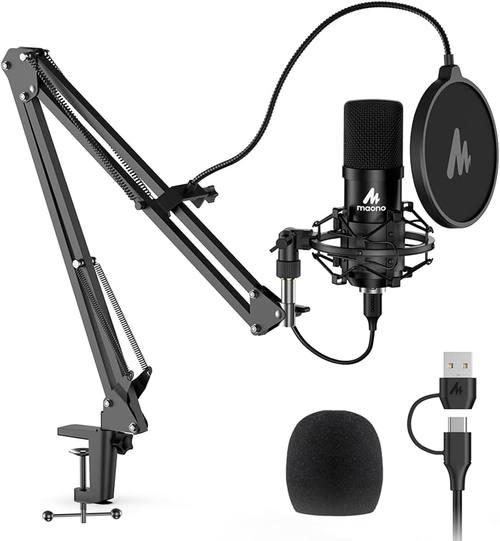
MAONO A04 USB Microphone, 192kHz/24Bit Condenser Mic Kit for PC Podcast
A USB condenser microphone kit listed at 192kHz/24-bit, aimed at PC podcast and recording use. Ships as a kit, so the basics for plugging into a computer come with it.
Visit on Amazon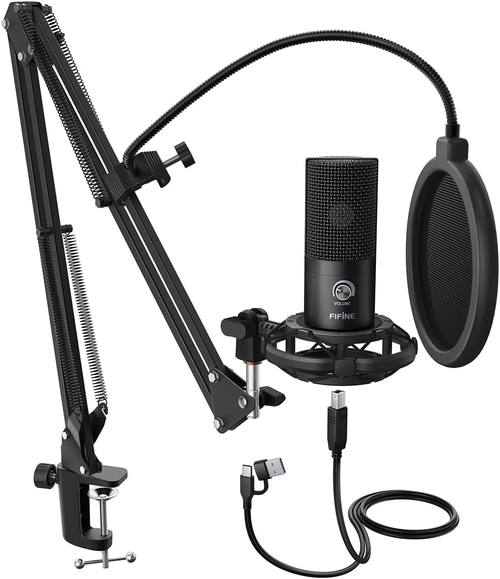
FIFINE T669 Studio Condenser USB Microphone for Recording Podcasting
A USB studio condenser microphone kit for recording and podcasting. The condenser capsule favors detail, which suits quieter and more controlled spaces better than a busy, reflective one.
Visit on Amazon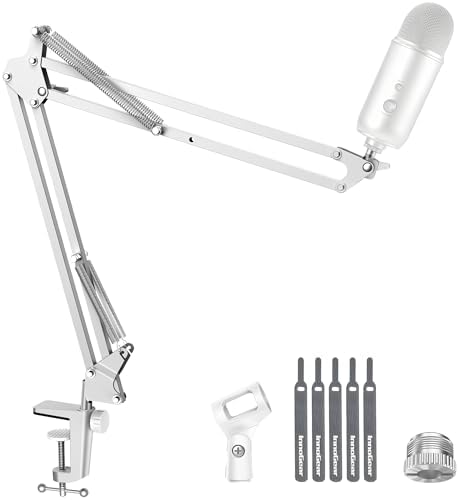
InnoGear Boom Arm Microphone Mic Stand for Blue Yeti Fifine HyperX, Black
A black boom arm microphone stand intended for Blue Yeti, Fifine, HyperX, and similar microphones. This is the accessory that lifts a mic off the desk and brings it close to the speaker.
Visit on AmazonPrices and availability may change. Check the retailer for current details.
How these products were compared
The five things that separate these products are capsule type, connection, kit contents, mounting, and the room each one assumes you record in. A dynamic capsule rejects more of what happens off to the sides and behind the microphone, which is the most useful property you can buy when there is a window, a fridge, or a roommate in the picture. A condenser capsule captures more detail and more of the room along with it. USB versus XLR decides what else you have to purchase. Kit versus bare microphone decides whether you can record the day the box arrives. Mounting decides whether you will actually use the thing or leave it in a drawer because it slides around on the desk.
Product names, images, and retailer links are matched by the product identifier in the product data, so every card points to the item shown and not to a different color, bundle, or generation of the same model. Nothing below is presented as a laboratory measurement. The distinctions come from the product information and from how these categories of microphone behave in ordinary rooms, which is the only room most people record in.
How to choose the right microphone
Start with the capsule, not the brand. If your space has hard floors, bare walls, a noisy street outside, or a computer fan you cannot move, a dynamic microphone is usually the better starting point. Dynamics want you closer to the grille and they roll off some of the top end, but they also ignore a great deal of the room. A condenser in that same space records everything the dynamic ignored, including the neighbor's dog and the hum from your monitor.
Then decide how you want to connect. A USB microphone plugs straight into your computer and skips the interface, the separate cable, and the gain knob entirely. An XLR microphone needs an interface or mixer between it and the computer, which costs more and adds a step, but it also gives you a real gain stage and a path to better preamps later. If you already own an interface, paying for USB circuitry you will never use is wasted money. If you do not own one and have no plan to buy one soon, a USB or dual-output microphone gets you recording tonight. The longer version of that argument is in our USB vs XLR podcast setup guide.
Finally, budget for the mount. A microphone sitting on the desk in its box, a foot and a half from your mouth, is collecting keyboard clatter, table bumps, and room reflections at the same time. A boom arm or a proper desktop stand brings the capsule close to your face and off the surface, and that does more for the recorded sound than moving up a tier in microphone price. It is why an accessory earns a card of its own in this roundup.
One more filter worth applying: buy the version of a model that has the feature you need. The switched version of a handheld dynamic exists for a reason, and the XLR-only version of a podcast microphone is cheaper to run only if you already own the interface. Match the exact model to your actual chain before you compare anything else.
FIFINE AmpliTank K688CT Podcast Microphone Kit, USB/XLR Dynamic Vocal Mic
The top pick is a dynamic vocal microphone that ships as a kit, and its defining feature is the dual output. You can run it over USB into a laptop with no interface, no mixer, and no preamp, which keeps the first month of podcasting simple. Later, if you add an interface, the same microphone connects over XLR and you keep the mic you already learned to use. The dynamic capsule is what matters most for this audience: it does not chase every reflection in the room the way a condenser does, so an untreated space is less of a liability.
The honest trade-off is that a dynamic microphone rewards technique more than a condenser does. You have to stay close to the grille, and if you drift back to read notes, the level and the tone change. Kits also tend to include accessories that are functional rather than premium, so treat the bundled pieces as a starting point and replace the mount or the cable first if anything feels flimsy. And the USB path, convenient as it is, does not offer the control over gain staging and processing that an interface plus XLR does.
Alternatives to consider
The Shure MV7X XLR Dynamic Podcast & Recording Microphone - Black is better suited to a podcaster who already owns an interface or mixer and wants a dedicated dynamic mic without paying for USB electronics, while the Shure SM58S Pro XLR Dynamic Vocal Microphone with On/Off Switch is a stronger fit when you want a handheld, close-mic dynamic with a physical switch for stage work, in-person interviews, or shared spaces where you need to mute fast.
The MAONO A04 USB Microphone, 192kHz/24Bit Condenser Mic Kit for PC Podcast and the FIFINE T669 Studio Condenser USB Microphone for Recording Podcasting cover the USB condenser route, which is the right call in a quieter and more controlled room where you want more detail and can hold a steadier distance from the mic. The InnoGear Boom Arm Microphone Mic Stand for Blue Yeti Fifine HyperX, Black covers the mounting problem, and it is the one item on this list that improves the sound of whichever microphone you already own.
Day-to-day use and maintenance
Technique does most of the work once the gear is on the desk. Speak across the capsule rather than straight down into it, keep a consistent distance of roughly a hand span for a dynamic and a little more for a condenser, and set gain so your loudest sentence peaks well below clipping instead of riding the fader mid-sentence. The proximity effect is your friend up close, where it adds body to a thin voice, and your enemy if you lean in only when you get excited.
Boom arms need occasional attention. Tighten the joints so the arm holds position without sagging, but do not crank them until the threads complain, and keep the cable out of the joint where it will get pinched. A pop filter or foam windscreen is cheap insurance against plosives, and it also keeps breath moisture off the grille. Clean the exterior with a dry or barely damp cloth, keep liquids away from the capsule, and follow the manufacturer's instructions for anything beyond that. If a microphone has a switch, check it before every recording, because a muted mic is the most common silent failure in podcasting.
Room tone still matters. Record thirty seconds of silence in your space and listen back with headphones. If you can hear the fridge, the furnace, or the street, treat that as the next upgrade instead of a new microphone, because no capsule fixes a noise floor it is standing in.
Buying checklist
- Measure your desk, your reach, and the distance from the mount point to your mouth before choosing a boom arm or stand.
- Choose dynamic versus condenser based on your room and your voice, not on the spec sheet you saw in a video.
- Confirm the connection you need: USB, XLR, or both, and whether an interface is already in your chain.
- Verify that the exact model you are buying includes the feature you want, such as an on/off switch or a bundled kit.
- Read the cleaning and care instructions before the first session, and check the retailer for current price, availability, and return terms.
Final recommendation
Choose the FIFINE AmpliTank K688CT Podcast Microphone Kit, USB/XLR Dynamic Vocal Mic when you are starting from nothing, recording in a normal room, and want the option to add an interface later without rebuying a microphone. Choose the Shure MV7X XLR Dynamic Podcast & Recording Microphone - Black when you already own an interface or mixer and want a pure XLR dynamic mic, or move to the Shure SM58S Pro XLR Dynamic Vocal Microphone with On/Off Switch if handheld use and a physical mute switch matter more than anything else on the list. Whichever you pick, put it on a proper arm and get it close to your face, because that single change does more for how you sound than the difference between any two microphones here.