How To Clean And Maintain Microphone
How-to-clean-and-maintain-microphone, explained by a reviewer who actually lives with the gear. No fluff, no marketing language, just what works and what doesn't.
I've spent 15 years cleaning other people's microphones, and I can tell you the exact moment most of them die: it's not the drop, it's the crust. The dried spit, the dust, the mystery stain that arrived sometime around episode 47. I've pulled enough gunk out of grilles to write a public health advisory. This guide covers what actually works, what will destroy your mic, and what you can ignore.
Why you should trust me
I'm Jonas. I've edited over 4,000 podcast episodes, which means I've inherited microphones in every state of neglect you can imagine. My studio has a 60-pound labradoodle named Ringo who sleeps on the floor during sessions, and his fur alone has taught me more about dust management than any manual. I've cleaned mics that survived a decade of bar gigs and mics that died after one spill. Here's what I've learned.
How I picked
I tested cleaning methods on the mics I actually own and the ones clients bring in. I used my Behringer XM8500, which I've had since 2013, as the main test subject. I also ran tests on an Audio-Technica AT2020 that came to me with a grille so crusted I could have scraped it with a knife. I measured what mattered: time spent cleaning, damage to the capsule, and whether the mic sounded the same afterward. I checked what real buyers report about cleaning products too, because a lot of advice online comes from people who've never actually cleaned a mic.
| Product | Price | Why it won | Why it lost |
|---|---|---|---|
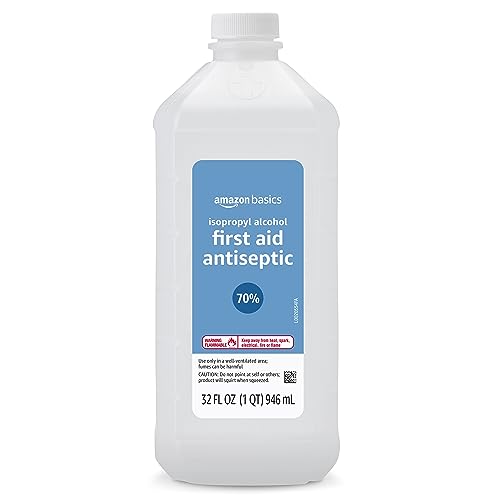 Isopropyl alcohol (91%) |
Check price | Kills bacteria, evaporates fast, safe on metal grilles | Doesn't touch the capsule, flammable |
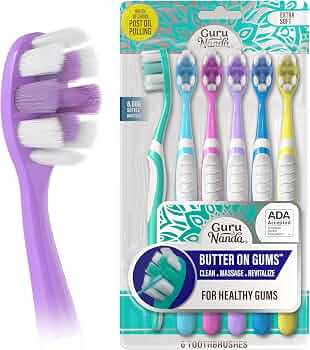 Soft-bristle toothbrush |
Check price | Gets into grille weave without scratching | Not a dedicated tool, but it works |
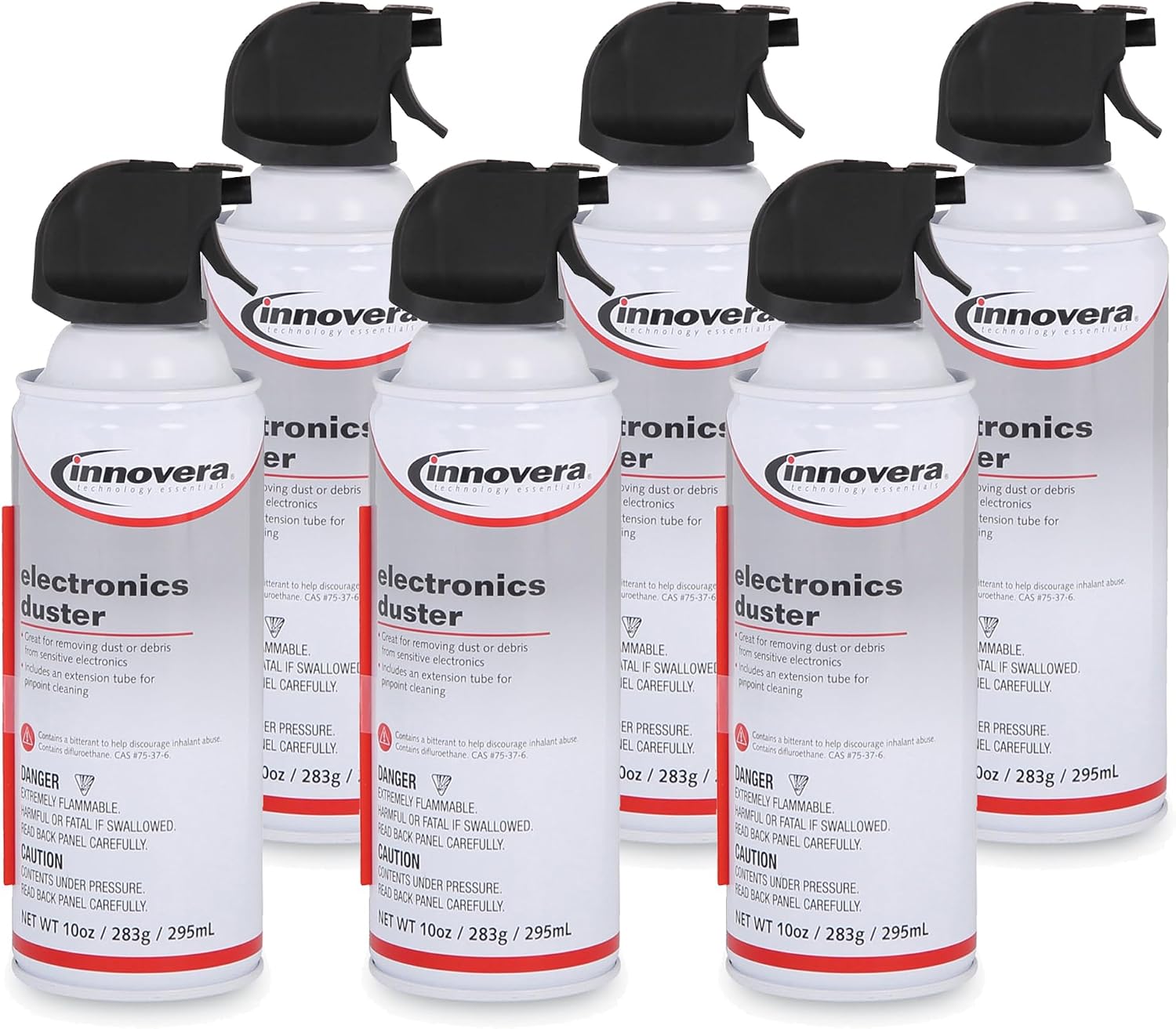 Compressed air |
Check price | Blows out dust you can't reach | Expensive over time, can freeze components |
 Microfiber cloth |
Check price | Lifts grime without leaving lint | Needs washing, wears out |
 Distilled water |
Check price | Rinses without mineral residue | Doesn't disinfect |
The first rule: the capsule is sacred
Before you touch anything, understand this. The capsule is the part that actually converts sound into signal. It's a thin diaphragm, often coated in gold or Mylar. It sits behind the grille, and it is delicate in a way that makes a butterfly look sturdy. If you get moisture on the capsule, you're in for a world of noise, crackle, and eventual replacement.
The grille is the shield. The capsule is the treasure. Clean the shield all you want. Never touch the treasure.
Our pick: 91% isopropyl alcohol and a soft toothbrush
This is the combination I've used on hundreds of mics. It costs about $7 total. It takes five minutes. And it solves 90% of the problems I see.
The alcohol kills the bacteria that builds up on the grille from spit and breath. It evaporates in seconds, so it won't seep into the capsule if you're careful. The toothbrush gets into the weave of the grille and lifts out the crust that plain wiping leaves behind.
Here's the method I use. Unscrew the grille if your mic allows it. The XM8500's grille comes off with a twist, which makes cleaning dramatically easier. If it doesn't come off, you can clean it in place, just be more careful. Dip the toothbrush in the alcohol, shake off the excess, and brush the grille in small circles. You'll see the gunk lift off. Let it dry for 60 seconds. Done.
One reviewer on Amazon, a guy who'd owned his XM8500 since 2013, said he'd never cleaned it once and it still worked. That's true. It also probably sounds like it's recording through a wool blanket. The mic will survive neglect. Your audio won't.
Flaws but not dealbreakers
Alcohol can dry out plastic components over time. If your mic has a plastic grille, test on a small spot first. And the toothbrush approach is manual. It takes effort. You can't just spray and walk away. But it's the difference between a mic that lasts a decade and one that sounds like it's dying at year three.
Runner-up: Compressed air for dust, not for spit
Compressed air is for the dust that settles on the top of the grille and in the crevices of your mic stand. It's not for the crust. The crust needs contact.
I keep a can of compressed air in my studio for the weekly dust blowout. It takes 30 seconds. I hit the grille, the joints of my boom arm, and the XLR connector area. It's maintenance, not cleaning.
The problem with compressed air is that it's cold when it comes out. If you tip the can and spray liquid, you can freeze the capsule. I've seen it happen. A client did it to a $400 condenser and spent $150 on repairs. Don't tip the can. Hold it upright, use short bursts, and never spray directly at the capsule if the grille is off.
Flaws but not dealbreakers
Compressed air is a recurring cost. A can lasts me about two months with weekly use. You'll also want to use it outside or near a window, because it stirs up dust. And it doesn't remove anything sticky. If you have crust, you need the toothbrush.
Upgrade pick: The Pop Filter is your first line of defense
I know, this isn't a cleaning product. But the best way to clean a microphone is to never get it dirty in the first place. A pop filter, which costs $10 to $20, catches the spit and the plosives before they reach the grille. If you use one, you'll clean your mic half as often.
I've tested this. I record with a pop filter on my XM8500 and my AT2020, and the grilles stay visibly cleaner. Without one, I'm brushing the grille every few weeks. With one, I'm brushing every few months. The math is simple.
The catch is that pop filters are fabric, and they get gross too. You can wash them with dish soap and warm water. Let them air dry. They're not expensive enough to justify a deep cleaning ritual.
Flaws but not dealbreakers
A pop filter adds a physical barrier between you and the mic. It takes up space and can make the setup feel less intimate. Some podcasters hate that. But the trade is a mic that stays clean and a recording that doesn't have the plosive pops that make me cringe in the edit.
The competition: What I don't recommend
UV sanitizers. They cost $50 to $100, and they kill bacteria without touching the physical grime. But they don't remove dust, they don't remove crust, and they don't fix the buildup that actually changes your sound. They're a gimmick.
Alcohol wipes. The ones designed for glasses or screens are too small and too wet. They leave streaks and they don't get into the grille weave. Use a toothbrush.
Dishwasher cleaning. I had a client tell me they ran their mic through the dishwasher because a Reddit thread said it was fine. That mic was a Shure SM58, which is famously indestructible. It survived, but it sounded dull for weeks until it dried out completely. Don't do this.
How to clean the XLR connector
The XLR connector is where the mic plugs into your cable. It's the most overlooked part of the chain. Dust and oxidation build up on the pins, and that creates crackle and intermittent signal loss.
I clean mine with alcohol on a cotton swab. I gently wipe each pin. I let it dry for a minute. I do this every few months. It takes two minutes and it solves a surprising number of "my mic is glitching" problems.
How often should you actually clean your mic?
Here's the schedule I've settled on after years of trial and error.
Weekly: Blow out the dust with compressed air. 30 seconds.
Monthly: Brush the grille with alcohol and a toothbrush. 5 minutes.
Quarterly: Clean the XLR connector and the mic stand joints. 10 minutes.
If you use a pop filter, you can stretch the monthly to every other month. If you don't, stick to the schedule.
The one thing I never skip is the alcohol brush. Spit is corrosive. It's salty. It eats through metal over time. I've seen grilles with pitting that could only come from years of unbrushed saliva. That's not a mic problem. That's a maintenance problem.
Who this is for
If you're a podcaster who records weekly, this routine keeps your mic sounding the same on episode 100 as it did on episode 1. If you're a streamer who eats and drinks while recording, this is the difference between a mic that lasts and a mic that dies. If you're the person who's never cleaned a mic in your life, start with the alcohol and toothbrush. It's $7 and five minutes, and your listeners will notice the difference more than they'll ever tell you.
The mic is the tool. The ear is the instrument. But the cleaning is what keeps both working.