I have edited more than 4,000 podcast episodes for other people, which means I have heard every microphone mistake a person can make, usually twice, usually at 2 a.m. before a deadline. I have also watched a lot of people spend their first serious gear money on the wrong box. So when I sat down to write this podcast microphone comparison, I deliberately picked four products that are not in the same category at all: a dynamic XLR bundle, a USB condenser, a wireless clip-on lav, and a work headset with a boom. That is the point. Most buyers are not choosing between four podcast microphones. They are choosing between four completely different ways of getting a voice recorded, and three of those ways will sound worse than the fourth in your apartment.
Related: Dynamic vs Condenser Mics for Podcasting
If you record in a normal apartment, with a street outside and a fridge somewhere in the building, start with the Rode PodMic dynamic bundle and a two input interface. If your room is treated and you want the fastest possible path to a recording, the Audio-Technica AT2020USB-X is the one. The other two are situational, and I will tell you exactly which situations. That is the short answer. The long answer is about off-axis rejection, room tone, and why a microphone you are afraid to use is worse than a cheaper microphone you use every day.
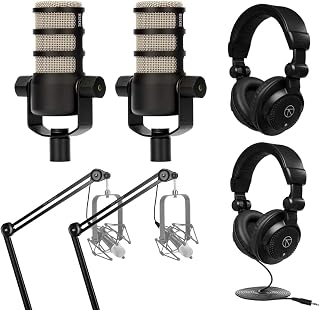
Rode PodMic Dynamic Podcasting Microphone, Pair, Bundle with 2X Broadcast Arms and 10' XLR Cables, Turnstile Audio Headphones
Dynamic capsule that ignores most of the room, two mics, two arms, two cables, and headphones in one box
No interface included, so the bundle is only half a studio until you add one
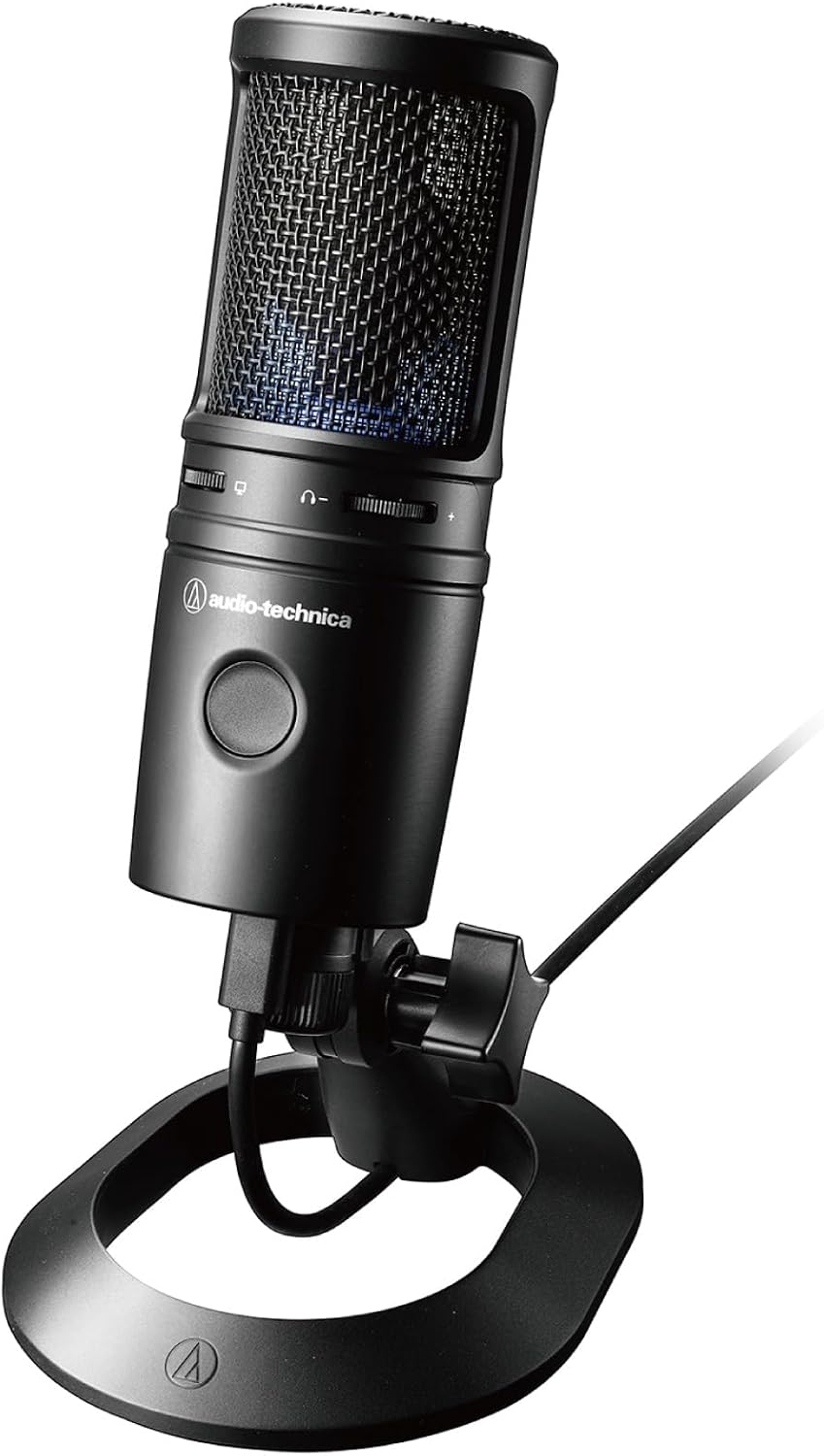
Audio-Technica AT2020USB-X Cardioid Condenser USB Microphone
USB plug and play, no interface, condenser detail that flatters a quiet voice
Cardioid condenser hears the room, the fan, and the neighbor, exactly as designed
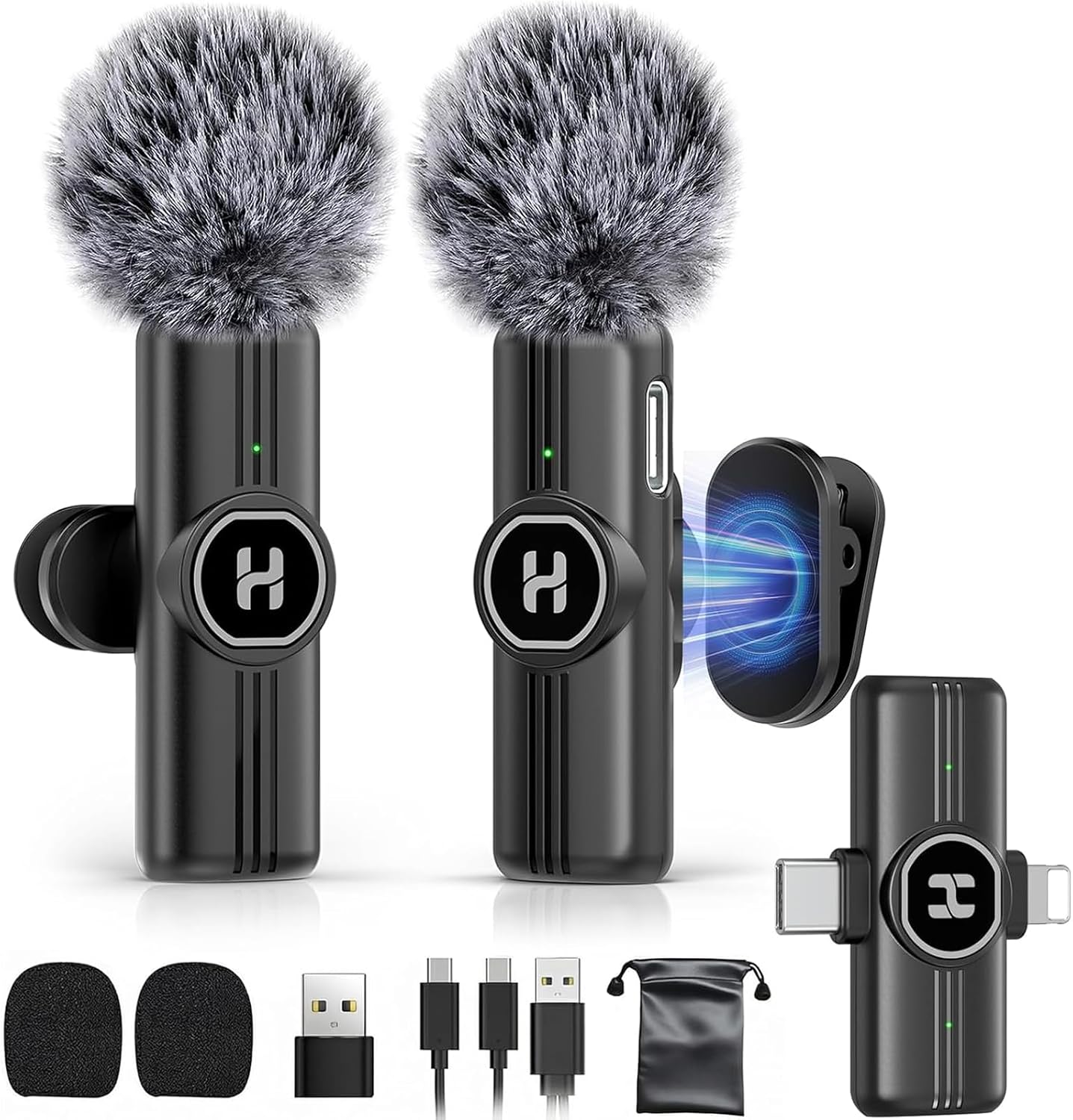
Wireless Lavalier Microphone, Mini Clip-On Mic with Noise Reduction
Cheapest way to get your voice clean onto a phone or camera, clip-on, noise reduction on board
Wireless, battery dependent, and it never sounds like a studio mic
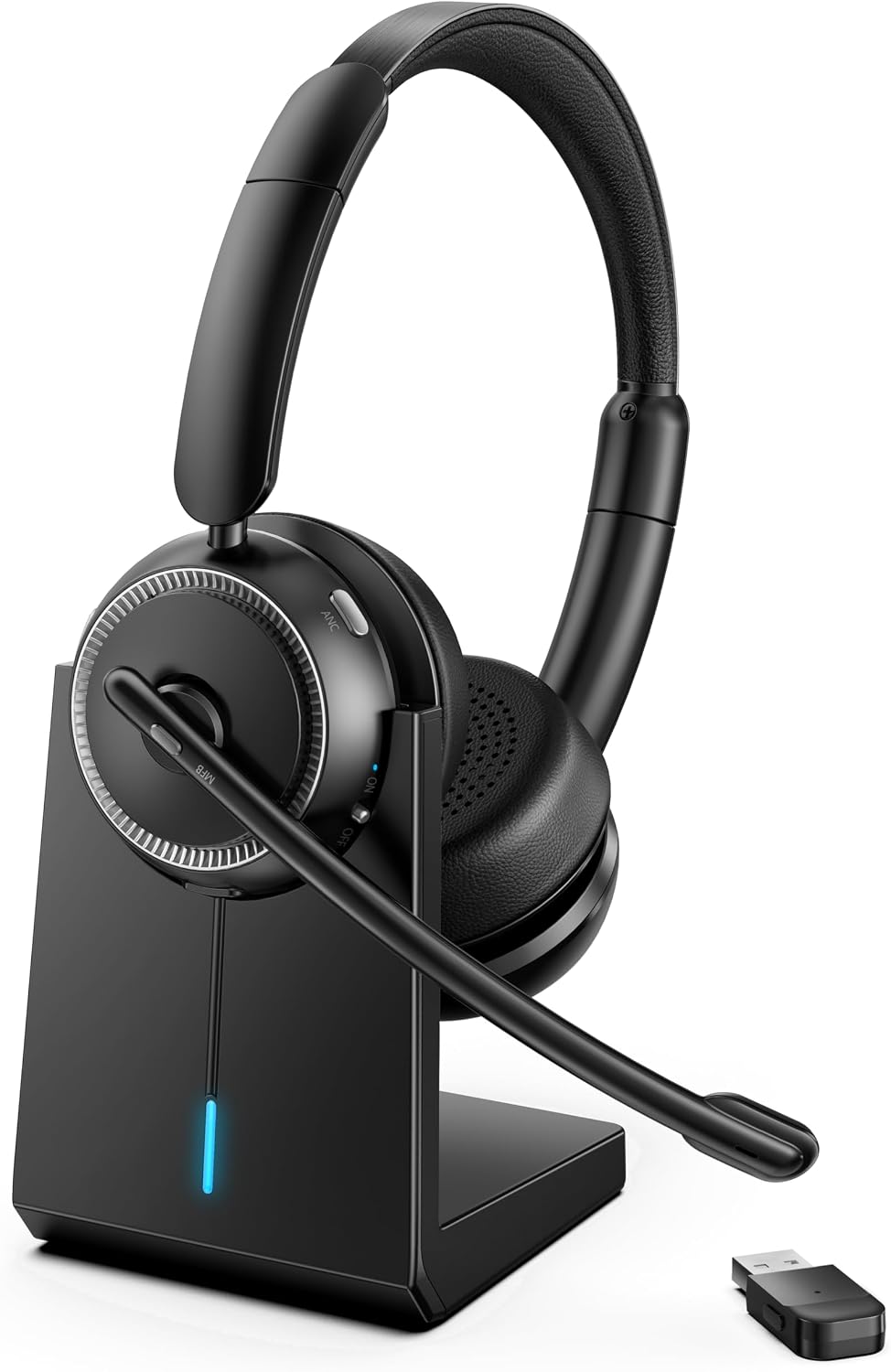
Upgrade ANC & ENC Wireless Headset with Mic for Work(Flip-to-Mute & Dongle)
Flip-to-mute, a dongle that just works, and headphone monitoring built in
It is a call headset, and it will always sound like a call headset
Prices and availability were captured from Amazon Creators API and may change.
What I listen for before I recommend anything
I keep two rooms. One is treated, with absorbers where the first reflections land, and it is where I do voiceover work. The other is an untreated kitchen with a refrigerator, a window, and a radiator, and I record there on purpose, because that is where most podcasters actually record. Every mic that comes through my studio gets used in both rooms, and the difference between those two recordings tells me more than any spec sheet.
Here is what I am listening for.
Room tone. Play three seconds of silence from a recording and I can tell you what kind of room it was made in. A mic that pulls in a lot of room is a mic you cannot fix later, because noise reduction that removes the fridge also removes the breath in your voice. This is why I care about how a capsule behaves off axis before I care about anything else.
Off-axis rejection. For a home podcaster with a noisy street, this matters more than frequency response. A dynamic capsule that mostly ignores the wall behind you is doing more for your audio than a brighter condenser that hears everything in a 30 degree cone and a lot outside it too.
Proximity effect. Every directional mic gets bassier as you move closer. That is not a flaw, it is a tool, and it is why a cheap dynamic three inches from your mouth can sound fuller than an expensive condenser two feet away.
Plosives and handling. P sounds and desk bumps live in the low end, and a mic that is badly mounted will transmit every keystroke into the recording. Boom arms and pop filters matter more than the mic upgrade. I have heard a genuinely good microphone ruined by a desk stand.
Gain staging. A mic that needs a lot of clean gain is a mic that will show you the noise floor of whatever preamp you plugged it into. This is the hidden cost of the dynamic path, and I will come back to it.
The dynamic XLR bundle: the one I would start with
The Rode PodMic Dynamic Podcasting Microphone bundle is the closest thing in this group to a complete studio, and it is the pick I keep coming back to for anyone recording voice in a room they cannot control. You get two dynamic microphones, two broadcast arms, two XLR cables, and a set of headphones. If you and a co-host sit across a table, that is your whole show, mounted and cabled.
The reason I favor a dynamic capsule here is not that it sounds better in a treated room. It does not, and I will say that plainly. It is that a dynamic capsule is the correct tool for an untreated room. It rejects more of what is behind and beside you, which means less refrigerator, less street, less of the hallway your roommate walks through mid-sentence. In my kitchen, the difference between a dynamic and a condenser is not subtle. The condenser is honest about the room. The dynamic quietly edits it out.
The bundle's arms matter as much as the mics. A sagging mount is one of my pet peeves, and a broadcast arm that holds position means you set the mic once and stop thinking about it. That is the difference between recording every week and recording twice.
What it loses: the bundle is half a studio. There is no interface in the box, so you need something with two XLR inputs to plug those cables into. That is a real added cost and a real added decision, and if you were hoping to unbox and record, you will be disappointed. There is also a learning curve: with a dynamic mic you have to get close, you have to set gain properly, and you have to accept that you are trading some brightness for a lot of control. If you want to hear it for yourself, Visit on Amazon →.
The USB condenser: fastest path, if your room cooperates
The Audio-Technica AT2020USB-X Cardioid Condenser USB Microphone is the one I recommend to people whose main problem is time, not acoustics. It plugs into a computer, it shows up as an input, and you are recording. No interface, no gain staging homework, no cable shopping. USB microphones have closed most of the quality gap, and this one sits at the top of that category.
A cardioid condenser does something a dynamic does not: it captures detail. Sibilance, breath, the texture of a voice. In a treated room, on a quiet voice, that detail is the whole reason to own one. It is also why I do not hand this mic to someone recording next to a window in Bushwick.
What it loses: it hears the room, and it hears it in high definition. The fridge, the laptop fan, the neighbor's dog, the HVAC vent. Every one of those is now part of your podcast, and no amount of software will remove them without leaving a hole in your voice. If your recording space is a bedroom with hard walls and no treatment, this microphone will make that fact audible, and you will blame the mic. You should blame the room.
If you have some treatment, or a closet full of clothes, or you record at night when the building is quiet, this is a genuinely excellent choice and the easiest one to live with. Visit on Amazon →.
The wireless clip-on lav: for video, not for shows
The Wireless Lavalier Microphone, Mini Clip-On Mic with Noise Reduction is a different product for a different job. This is what you clip to a collar when you are filming a talking head, walking a trade show floor, or shooting a demo where a boom arm cannot follow you. Onboard noise reduction helps in a noisy space, and being wireless means you are not tethered to a laptop.
I do not consider this a podcast microphone, and I would push back on anyone who does. A lav sits on your chest, which is not where a voice comes from, so you get a thinner, more distant version of you. Wireless adds a battery you have to remember to charge and a signal path that can interfere with everything else in the room.
What it loses: consistency. On a show, consistency beats quality, and a wireless lav is the least consistent option here. It is, however, the only option here that lets you record video from across a room, and for that specific job it is a reasonable tool. Visit on Amazon →.
The work headset: the honest call solution
The Upgrade ANC & ENC Wireless Headset with Mic for Work(Flip-to-Mute & Dongle) is in this comparison because most creators spend more hours on calls than they do recording, and a headset is the correct tool for that. Flip-to-mute is the feature I would pay for on its own, because it is a physical action you can perform while panicking. The dongle means it connects the way a headset should, without a Bluetooth menu argument. Environmental noise cancellation on the mic does real work on a call, and the headphones let you hear the room.
What it loses: it sounds like a headset. That is fine for a Zoom call and unacceptable for an episode. The mic is close to your mouth but it is not a studio capsule, and no processing will make it one. Buy this for meetings, not for your show, and do not let anyone tell you that a headset replaces a microphone. Visit on Amazon →.
The trade-offs nobody puts on the box
The dynamic path costs more than the dynamic mic. The Rode bundle is the best value here, but it only works once you own an interface with two XLR inputs. Budget for that, or budget for a USB dynamic instead. This is the single most common surprise for new podcasters.
The USB path costs you flexibility. The AT2020USB-X is easy, but you are locked to a computer and to one mic at a time. Two hosts, two USB mics, one computer is a mess of device selection and clock drift. If you have a co-host, the XLR bundle is the more honest purchase.
The lav and the headset cost you nothing and give you less. They are cheap, they are easy, and they will both sound like what they are. That is not a scam, it is a category difference. Know which category you are buying into.
Accessories beat upgrades. If you own a decent mic and your recordings sound bad, a boom arm, a pop filter, and one acoustic panel behind you will change your audio more than a new capsule will. I have watched people buy their way up the ladder and still record with the mic on the desk next to the keyboard.
What I would actually buy
If you record voice in a normal apartment and you want one purchase that solves the most problems, take the Rode PodMic dynamic bundle and an interface with two XLR inputs. That combination is the best deal in audio right now, and it will still be working when you upgrade everything else.
If your room is quiet and you want to be recording tonight, take the Audio-Technica AT2020USB-X. Spend the difference on a boom arm and something soft on the wall behind you.
If you make video, add the wireless lav as a second tool, not a replacement. If you live on calls, the work headset is a sensible buy that has nothing to do with your podcast.
What I am watching next
USB dynamics will keep eating the entry market until interfaces become a niche purchase. The thing to watch is on-mic processing: equalization and compression built into the microphone itself, which closes the gap between USB convenience and XLR control. The software layer is the next battleground, and the brand with the best automatic room correction wins that round. Room treatment kits will sell more as people finally accept that the microphone was rarely the problem. I keep a dated list of these predictions and score it every January, and I am not often wrong about the direction. I am frequently wrong about the timing.