Related: Best USB Microphone for a Noisy Apartment
I have edited more than 4,000 episodes for other people, and the pattern never changes. The best microphones for creators lose to a refrigerator, a window air conditioner, and a hallway with tile floors. The mic is the part you buy. The room is the part that decides whether the purchase worked. I keep two recording spaces for exactly that reason, a treated studio for voiceover and an untreated kitchen, because the kitchen is where most people actually press record.
This is not a list of the four most expensive capsules I could find. It is four microphones that each solve a different problem, plus a reference table you can scan once you know which problem is yours. A wearable lav for on-camera work, a USB and XLR kit for the person starting tonight, a wireless system for shoots that move, and the broadcast standard that shows up in every professional studio photo.
Best Overall: Shure SM7B With Cloudlifter CL-1 Bundle
This is the safe buy, and the bundle is the reason. The Cloudlifter CL-1 mic activator is not a stocking stuffer. It gives you clean gain before your preamp, which matters because this mic asks for a lot of gain, and budget interfaces get noisy when you crank them. That noise floor is what you hear under every pause in the finished edit. The extra 10 foot XLR cable means you can set up the same night the box lands.
It is a dynamic, which is the right tool for a room you cannot fix. It cares far less about your refrigerator and your street than a condenser would, and that off-axis rejection is worth more to a home podcaster than any frequency response chart. What I like most is that it ends the upgrade treadmill. You learn gain staging on one mic and stop watching comparison videos. What I do not like is that there is no USB path here. You need an interface or a mixer with an XLR input, so add that to your budget before you click.
Best Value: FIFINE AmpliTank K688TW Podcast Kit
The USB dynamic segment is the best deal in audio right now, and this kit is the clearest example of it. Five years ago, this level of quality cost five times as much plus an interface. Now it is one box. The K688TW is a dynamic vocal mic with both paths in the same housing: USB when you want to record tonight, XLR when you buy a preamp and want to grow into it. That dual path is why it sits in the value slot instead of a cheaper USB-only mic.
The catch is never the microphone. It is the desk. A USB mic on a short desk stand will pick up every keystroke, every mouse click, and the fan in the next room. Put it on a boom arm, add a pop filter, and angle it across your mouth instead of straight into it so you are talking past the capsule, not at it. That is the extra money that matters more than the next mic upgrade.
Best Wireless: DJI Mic 3 (2 TX + 1 RX + Charging Case)
Two transmitters, one receiver, and a charging case. That is a two person shoot in a single box, which is why this is the pick for video creators rather than desk bound podcasters. If the camera moves, if the talent walks, if you are shooting in a space where a boom arm and an XLR run are simply not happening, wireless is the answer and a cable is not.
The tradeoff is batteries and receivers. Every wireless system adds a thing to charge, a thing to mount, and a thing to lose. Treat the charging case as part of the rig instead of a drawer item and it stays reliable. This is also the right pick when the person on camera is not you and you need them to forget the microphone exists.
Best Lavalier: Rode Lavalier GO
A wearable lav is the least glamorous microphone you can buy and the one that shows up most in finished work, because you never see it. Clip it to a collar or a lapel, run the cable with a little slack, and the mic disappears from frame. For interviews, on-camera pieces, and anything where a big mic in the shot would break the look, this is the tool.
The black finish hides against dark clothing, and cable routing is the entire skill. Loop the cable through the clip and leave a small service loop, and you stop hearing fabric rustle on every turn of the head. A microphone you are not afraid to use beats a better microphone you leave in the bag.
How I decide whether a mic survives a real edit
Four checks, in order.
Noise floor first. What is under the silence? If I can hear the room when nobody is talking, the recording is already compromised, and no amount of EQ removes room tone. Off-axis rejection second. How much of the street, the fridge, and the person behind you does the mic hear when you are not pointed at it? For a home podcaster with a noisy street outside, that matters more than frequency response.
Plosives third, the P and B sounds that pop the meter. A pop filter is not optional and it is far cheaper than re-recording. And mount stability last, because arms sag after a month and a great mic on a flimsy desk stand will hand you every keystroke.
Then the final question: does the mic force you to buy more gear before it works? A microphone that needs a $200 interface to sound good out of the box is not a deal, it is a payment plan.
Analysis and notes
Condensers are for treated rooms. Dynamics are for real life. If you record in a bedroom with a window unit and a hardwood floor, a condenser will hand you every reflection in the room, and you will spend your first month learning about room modes instead of making episodes. Buy a dynamic, put something soft on the wall behind you, and stop watching gear videos.
USB has closed most of the quality gap. The interface plus XLR path is for people who know why they need it, usually because they want a second mic, a mixer, or a hardware processor later. If that is not you, a USB dynamic is the correct purchase and it will not hold you back.
Wireless is a different purchase entirely. You are not buying a better sound, you are buying freedom from a cable. That is worth it for video and mostly unnecessary for a podcast recorded at one desk.
Accessories beat upgrades. A boom arm and a pop filter change more recordings than a mic swap does, and the mount is the part that fails first, so check that the arm holds its position before you blame the capsule.
And be suspicious of "studio quality." A studio is a room, not a marketing word. Any microphone recorded in an untreated bedroom will sound like an untreated bedroom until you deal with the reflections, the desk, and the fan.
The microphone reference table
| Microphone | Best for | How it connects | Price |
|---|---|---|---|
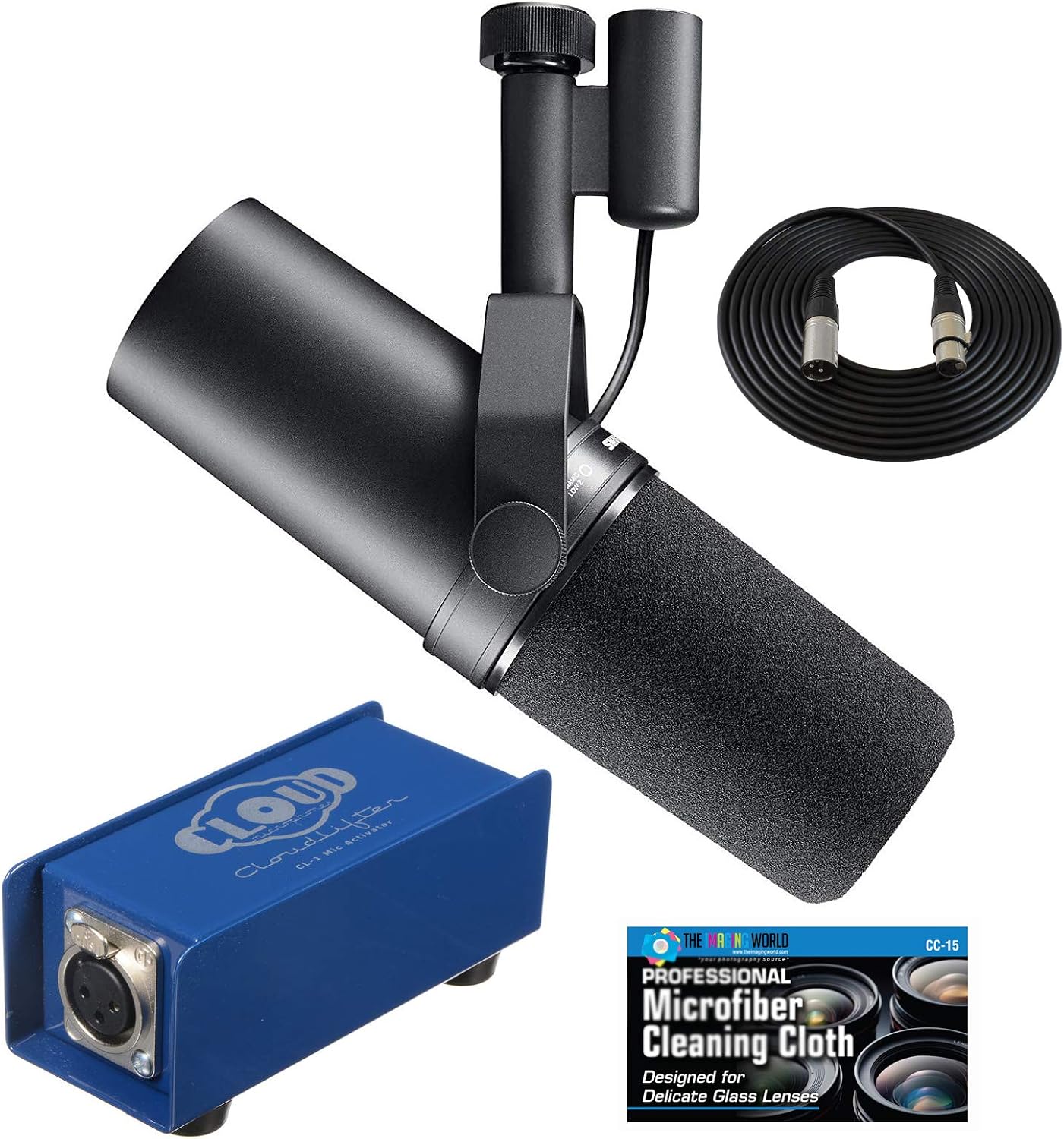 Visit on Amazon → Shure SM7B bundle with Cloudlifter CL-1 |
Solo voice, the buy once pick | XLR, interface required | $634.99 |
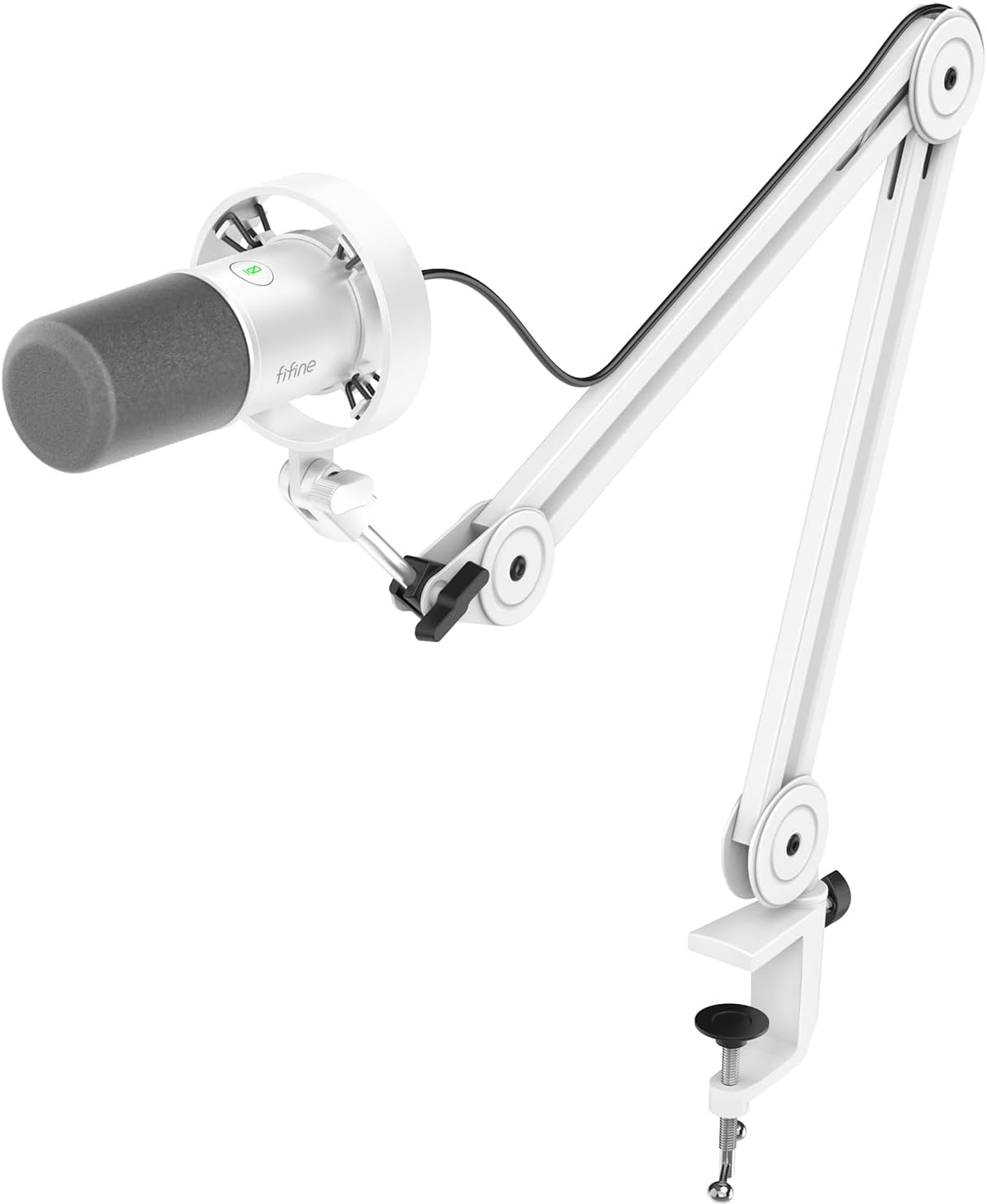 Visit on Amazon → FIFINE AmpliTank K688TW kit |
Starting tonight, growing later | USB or XLR | $91.99 |
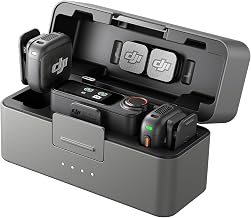 Visit on Amazon → DJI Mic 3 |
Two person video, moving shots | Wireless, two transmitters and a receiver | $259.00 |
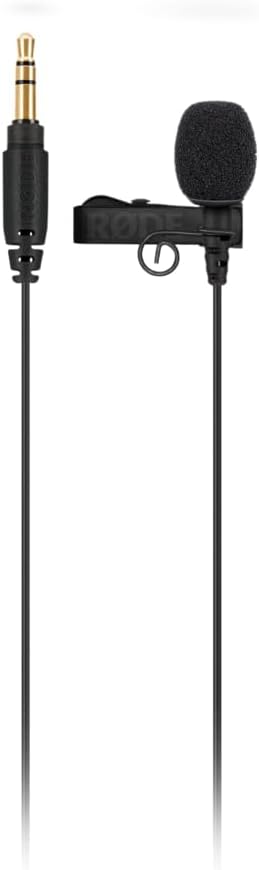 Visit on Amazon → Rode Lavalier GO |
On-camera interviews, hidden mic | Wearable lavalier | $89.00 |
Read the table by column, not by row. If you record alone at a desk and you already own an interface, you are done at the first row. If you record alone at a desk and you own nothing, the second row is your answer. If the camera moves, look at the third. If the mic has to stay out of frame, look at the fourth.
Should you buy the Shure SM7B bundle?
Yes, if you already own an interface or a mixer with an XLR input. The Cloudlifter CL-1 gives you clean gain before the preamp, which is what keeps the noise floor down on a mic that wants a lot of gain. It is the buy once pick, and the extra XLR cable in the bundle means you are not ordering a second thing the same night.
Skip it if you have no interface and no plan to buy one. Buying this and plugging it into nothing is how people end up on forums asking why their mic is quiet.
Should you buy the FIFINE AmpliTank K688TW?
Yes, if you want to start recording tonight and grow into an interface later. The USB path works the moment you unbox it, and the XLR path is waiting when you decide you want a preamp. That is a lot of runway for a first microphone.
Budget for a boom arm and a pop filter in the same order. A USB mic on a short desk stand will pick up your keyboard, your mouse, and the fan in the next room, and you will blame the mic for a problem the mount created.
Should you buy the DJI Mic 3?
Yes, if you shoot video with two people and the camera moves. Two transmitters, one receiver, and a charging case cover a two person shoot without a single cable run, which is the whole point. It is freedom from a cable, not a better sound, so a desk bound podcast does not need it.
Charge it like a camera battery, not like an accessory. Wireless gear that lives in a bag with a dead case is the most common reason a shoot goes wrong.
Should you buy the Rode Lavalier GO?
Yes, if the microphone has to stay out of frame. A wearable lav is the mic you see most in finished work because you never see it at all, and the black finish keeps it invisible against dark clothing. Loop the cable through the clip and leave a small service loop so clothing rustle does not follow every turn of the head.
The room still wins, even with a lav. Point the person toward something soft, kill the air conditioner, and the same microphone will sound twice as expensive.
The short version
Fix the room, buy the mount, and then pick the mic that matches where you record. The best microphones for creators are the ones that make it past the edit, and that is almost always a question of noise floor and off-axis rejection, not the number on the box.