I have edited more than 4,000 episodes for other people, and I can usually guess what a new podcaster bought first within thirty seconds of audio. It is almost never the wrong microphone. It is the wrong everything around the microphone: a mic balanced on a stack of paperbacks, a lavalier clipped to a collar that rustles every time the guest breathes, a grille packed with dust from a shelf. A first podcast microphone setup is mostly one good dynamic mic and three unglamorous parts, and the parts are where the money leaks.
Related: Dynamic Vs Condenser Mics For A Home Podcast
The best first purchase in this comparison is the Shure MV7X, because it is the only item here that changes what your recording sounds like. The other three are support crew. One fixes your desk, one fixes a specific lavalier problem, and one keeps the grille clean. Buy them in that order of importance, not in the order they show up on a wishlist.
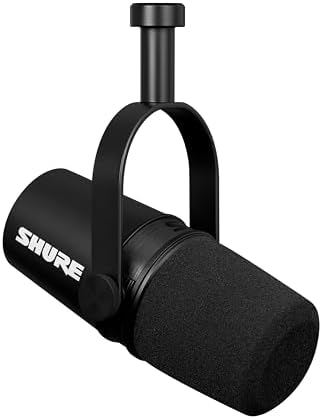
Shure MV7X XLR Dynamic Podcast & Recording Microphone - Black
Dynamic, voice-forward, and the forgiving kind of pickup for a room with a street outside
XLR only, so it needs an interface or mixer before it makes a sound
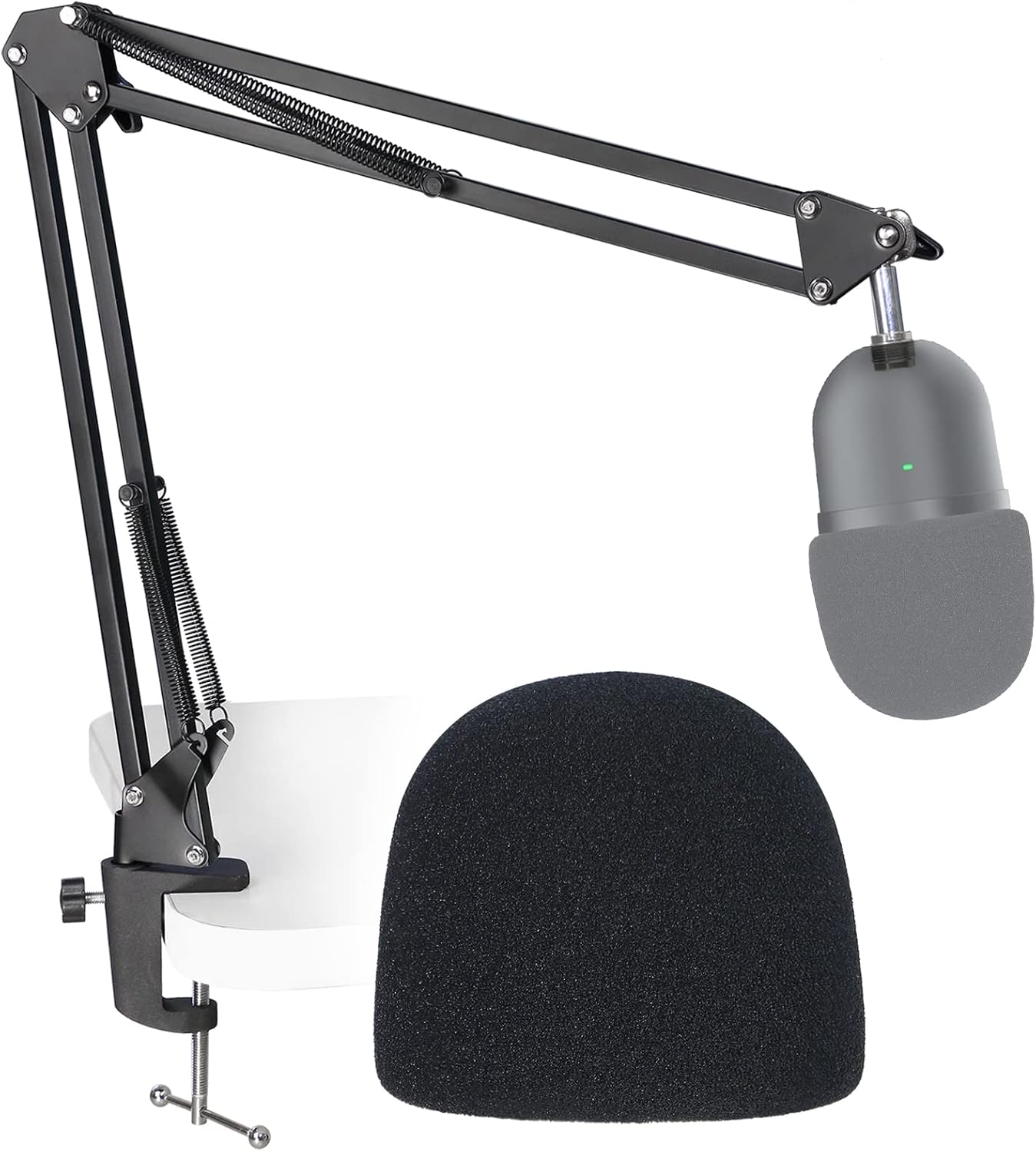
SUNMON Boom Arm for Seiren V3 Mini, Mic Arm for Seiren Mini with Pop Filter
Gets the mic off the desk and throws in a pop filter, the biggest single fix for thumps and typing noise
Built around the Seiren Mini family, so check thread and weight before you hang a heavier mic
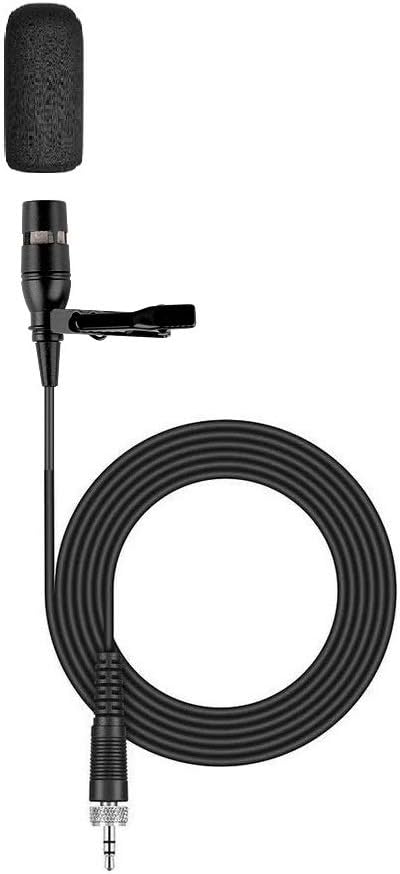
ikapok Clipmic Digital for Sennheiser ME 2-II Omnidirectional Lavalier Microphone (Black)
Keeps an ME 2-II lavalier anchored instead of swinging into the fabric
Niche. Only worth it if that is already the lav you run
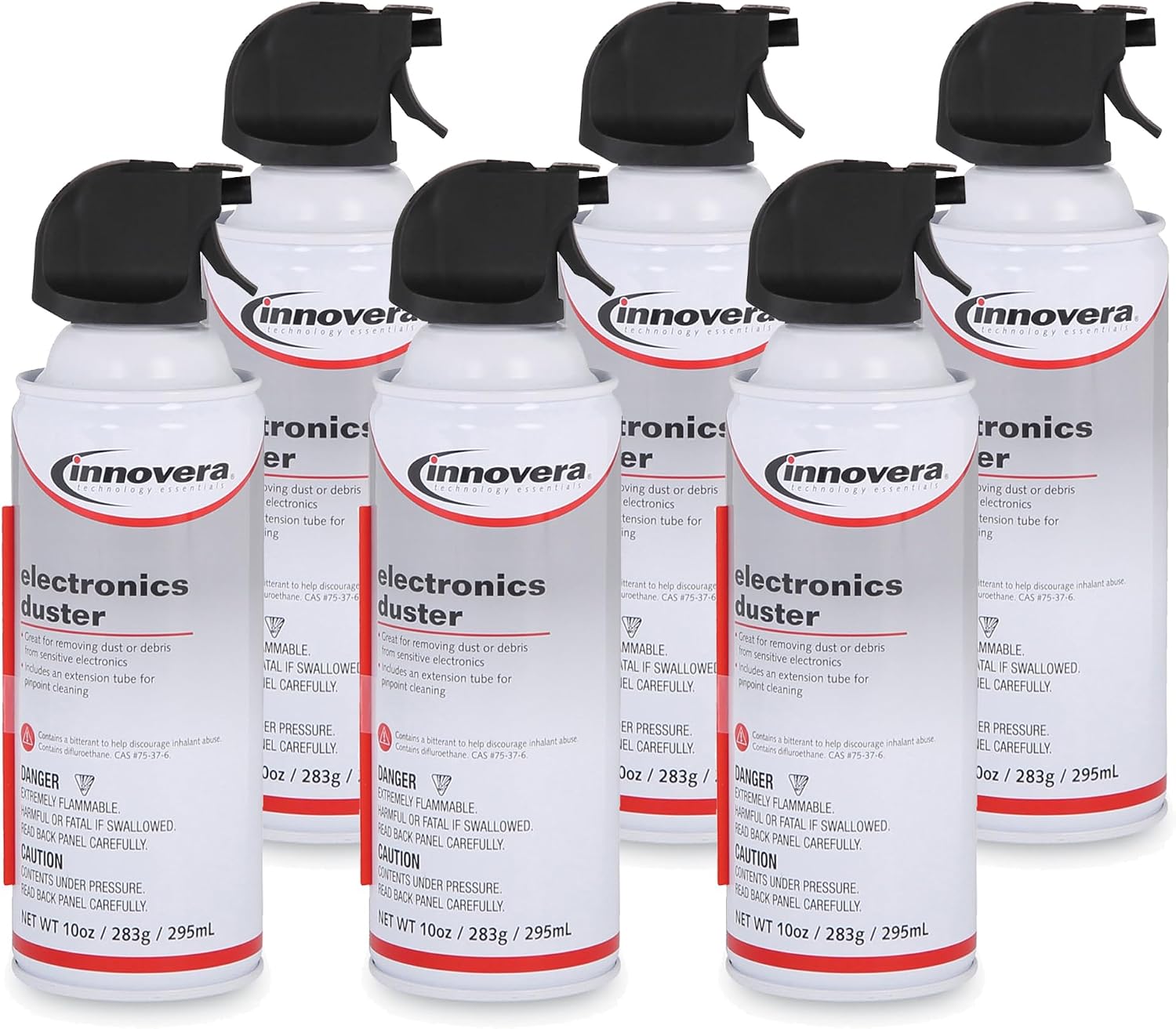
Innovera Compressed Air Duster Cleaner
Cleans grilles, vents and keyboards without dragging out a compressor
Not audio gear. It buys you maintenance, not tone
Prices and availability were captured from Amazon Creators API and may change.
How I judge gear for a first order
Every piece of gear that comes through my studio gets judged on three questions, and none of them involve a frequency response chart.
First, does it change the recording? Not the spec sheet, the recording. If a purchase does not alter what lands in the edit bay, it is a hobby purchase, and hobby purchases are fine as long as you call them that.
Second, does it survive a real edit? A real edit is two speakers, forty minutes, one guest who leans back in the chair, and a furnace that kicks on at minute twelve. Gear that only sounds good in a treated room is gear that will make you re-record.
Third, will you still use it in month six? This is where accessories win and cheap stands lose. A microphone you are afraid to use is worse than a worse microphone you use every day, and the fear usually comes from a mount that sags or a cable that hums.
The room is the microphone. That is not a slogan, it is the whole reason I steer new podcasters toward dynamics and toward anything that gets the capsule closer to the mouth. You can hear the difference between a treated room and a kitchen in the first syllable, and no accessory in this list fixes a bad room. What the accessories do is stop you from adding problems on top of the room you have.
The mic: Shure MV7X
The MV7X is a dynamic microphone with XLR output, built for spoken word. That combination is the reason it tops this list for anyone recording in a normal apartment.
A dynamic capsule is less sensitive than a condenser, and less sensitivity is a feature in an untreated room. It hears less of the refrigerator, less of the laptop fan, less of the neighbor's dog. It also rejects more of what is behind and beside it, which matters when your recording position is a desk in a corner and the window faces a busy street. Off-axis rejection is worth more to a home podcaster than a flat frequency response, and I will keep saying that until the marketing stops working.
The trade-off is real and you should hear it before you buy. XLR means no USB cable into your laptop. You need an interface, or a mixer, or a recorder with an XLR input, and that is a second purchase with its own learning curve and its own gain staging to get right. If that sentence made you tired, this is not your mic yet.
The other thing to know about any dynamic built for close work is proximity effect. The closer you get, the more low end you pick up. That is why these mics sound full at four inches and thin across a desk. Set your working distance once, mark it, and stop moving.
The boom arm: SUNMON boom arm with pop filter
If you take one thing from this article, take this: the mount matters more than most people think.
A microphone sitting on the desk picks up every keystroke, every mouse click, every time you set down a mug. I have heard a genuinely good mic ruined by a desk stand, and I have heard a cheap mic sound acceptable on a proper arm because the capsule was floating in the air instead of sharing a surface with a keyboard. If your recordings have a low thump under the words, the fix is usually mechanical, not tonal.
This SUNMON arm is built for the Seiren V3 Mini and Seiren Mini, and it ships with a pop filter, which handles the plosives that make you sound like you are spitting into the capsule. Two accessories in one box, and the pop filter alone is worth having.
The honest trade-offs. First, it is designed around a specific family of USB mics, so if you plan to hang the Shure MV7X on it, verify the thread and the weight it will hold before you commit. An arm that slowly droops toward the desk over a month is one of my least favorite things in this industry, and it always happens at minute thirty of an interview. Second, an arm only helps if you position it correctly. Boom it in from the side, keep it out of the camera frame, and keep the capsule between you and your mouth rather than above your forehead.
The lavalier clip: ikapok Clipmic Digital for the Sennheiser ME 2-II
This one is a compatibility purchase, not a sound purchase, and I want to be clear about that.
Lavalier mics live and die by their mounting. A clip that lets the capsule slide around will give you shirt rustle, collar thumps and a level that changes every time the guest turns their head. The ikapok Clipmic Digital is made for the Sennheiser ME 2-II omnidirectional lavalier, which is a workhorse lav in interview and video work, and the point of a replacement clip is to hold that capsule where you put it.
Buy it if you already run that lav and your current mount has gone soft. Skip it if you record at a desk, because a lav is the wrong tool for a solo show. Lavs are for two people on camera, for movement, and for situations where a boom mic would be in frame. For a single host at a desk, a dynamic mic on an arm will beat a lavalier every time, and it will do it with less cable management.
If you are unsure which lavalier you own, check the model before ordering. A clip that does not fit is a clip that does nothing, and that is the least interesting kind of accessory.
The air duster: Innovera compressed air duster
Nobody puts a can of air on a gear wishlist, and everybody should own one.
Microphone grilles collect dust, and a grille full of dust is a grille that is doing less of its job. The foam and mesh in front of a capsule exist to keep plosives and debris away from the diaphragm, and when they load up, the mic starts sounding dull and slightly muffled. You will blame the preamp. You will blame your voice. You will start shopping for a new microphone when the actual problem is a five minute cleaning job.
The same can handles keyboard crumbs, laptop vents and the dust that collects behind your interface. Compressed air is not glamorous, it is not a sound upgrade, and it does not belong in a conversation about tone. It belongs in a conversation about maintenance, which is the conversation most people skip until something stops working.
One caution: use short bursts and keep the nozzle back from the grille. You are trying to lift dust off a delicate diaphragm, not blast it into the capsule. And do not use a can of air as a substitute for a pop filter. It will not help you with plosives, and your listeners will notice.
What the trade-offs actually add up to
Line these four up and a pattern appears that shows up in almost every first gear order I see.
The item that changes your sound is the one that costs the most. The items that protect that sound are cheap, and they are the ones people skip. Then they record twelve episodes with a desk stand, decide the mic sounds bad, and buy a more expensive mic that they will also record with on a desk stand. That is the upgrade treadmill, and it runs on accessories, not microphones.
The second pattern is about order of operations. If you already own a USB mic in the Seiren family, the boom arm is your upgrade and the Shure MV7X can wait until you are ready to buy an interface and learn gain staging. If you already run an XLR setup, the MV7X is the purchase and the arm is what makes it usable. The lav clip is a fix for a specific tool, and the air duster is a habit.
The third pattern is the one I find hardest to talk about. I make my living editing other people's audio, which means I benefit when recordings come in rough. I would still rather you spend an afternoon on your room and your desk than spend another dollar on a capsule. The gear in this comparison is good gear. It cannot outrun a hard floor, a bare wall and a mic stand that shares a surface with your keyboard.
What I am watching next
The entry market keeps moving toward on-mic processing, and I expect the next round of USB and XLR hybrid mics to fight over auto-EQ rather than capsule design. That is fine for beginners and slightly worrying for anyone who wants to learn gain staging properly, because the software will hide mistakes instead of teaching you to avoid them.
The prediction I am still holding: USB dynamics keep eating the entry market until an interface becomes a niche purchase, and room treatment kits start outselling microphone upgrades once enough people hear the difference. I score these every January, and I have been wrong about the timing more than once.
For now, the boring advice holds. One good dynamic mic, a mount that keeps it off the desk, a pop filter, a clean grille, and a room you have done something about. That is a first podcast microphone setup that will still be working in three years, and none of it requires watching another gear video.