I have edited more than 4,000 podcast episodes for other people, which means I have heard what a bad USB vs XLR microphone decision sounds like a year after the purchase. Nobody emails me and says "my room is untreated." They say "my mic sounds thin," and I open the file and hear a boxy kitchen, a refrigerator two rooms away, and a plosive that could take the paint off a wall. The microphone was almost never the problem.
So when I compare four microphones for creators, I am not ranking them by spec sheet. I am ranking them by what survives a real edit: off-axis rejection, how much room tone they drag in, how they handle proximity effect when someone leans in to make a point, and whether the thing they plug into costs more than the microphone itself. This comparison covers a USB and XLR dynamic, an XLR studio condenser kit, a two-person bundle with an interface, and a phone-first wireless lavalier. Four different jobs, one honest set of trade-offs.
Related: Dynamic vs Condenser Mics for Podcasting
The best first microphone for most home creators is the Samson Q2U, because it is a dynamic capsule that works over USB today and XLR later, and it costs less than one untreated-room mistake. If your room is already treated and you own an interface, the Shure SM4 is the better microphone and it is not close. The other two solve narrower problems: a two-person streaming setup, and a phone-first interview rig.
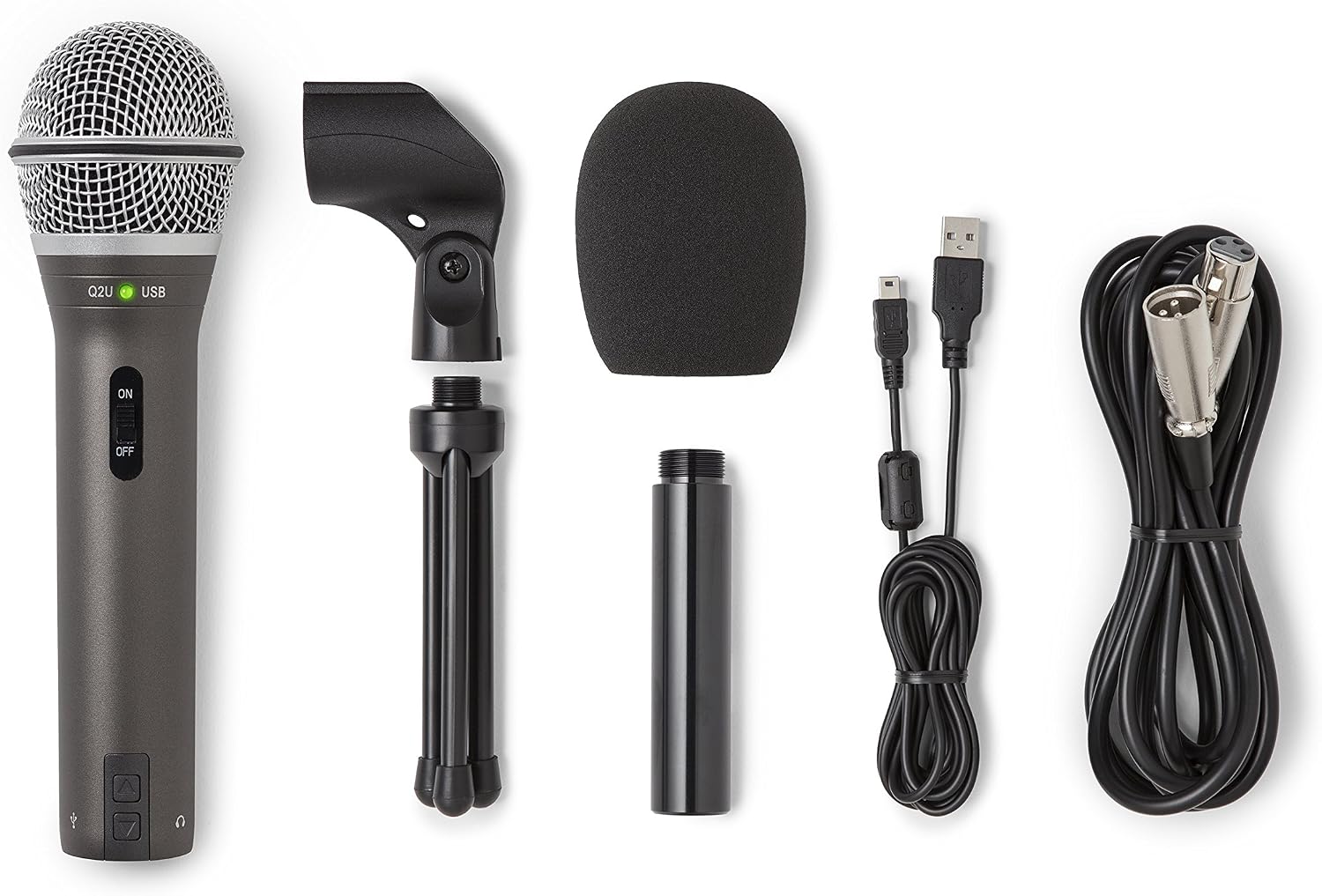
Samson Q2U USB/XLR Dynamic Microphone Recording and Podcasting Pack
A dynamic capsule with both USB and XLR outputs, so it works today and survives an upgrade later
Less air and detail than a condenser, and the bundled accessories are basic
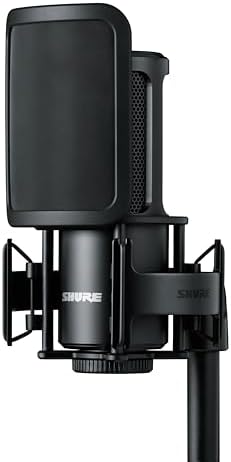
Shure SM4 XLR Studio Condenser Microphone Kit for Recording
The most detailed voice capture here, from a brand that has earned its reputation, sold as a kit rather than a bare mic
Needs an audio interface and a treated room, and it is the most expensive option on this list
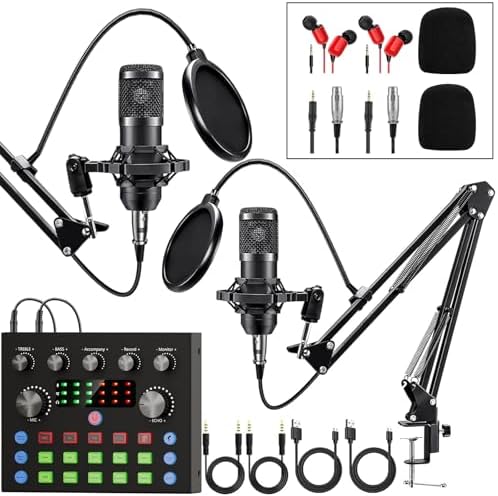
Brvomussy Podcast Equipment Bundle for 2, Audio Interface with Voice Changer Condenser Microphones
Two microphones, an interface, and a mixer in one box, the cheapest route to a two-person live stream
Condenser capsules in an untreated room, and a voice changer that does nothing for spoken word
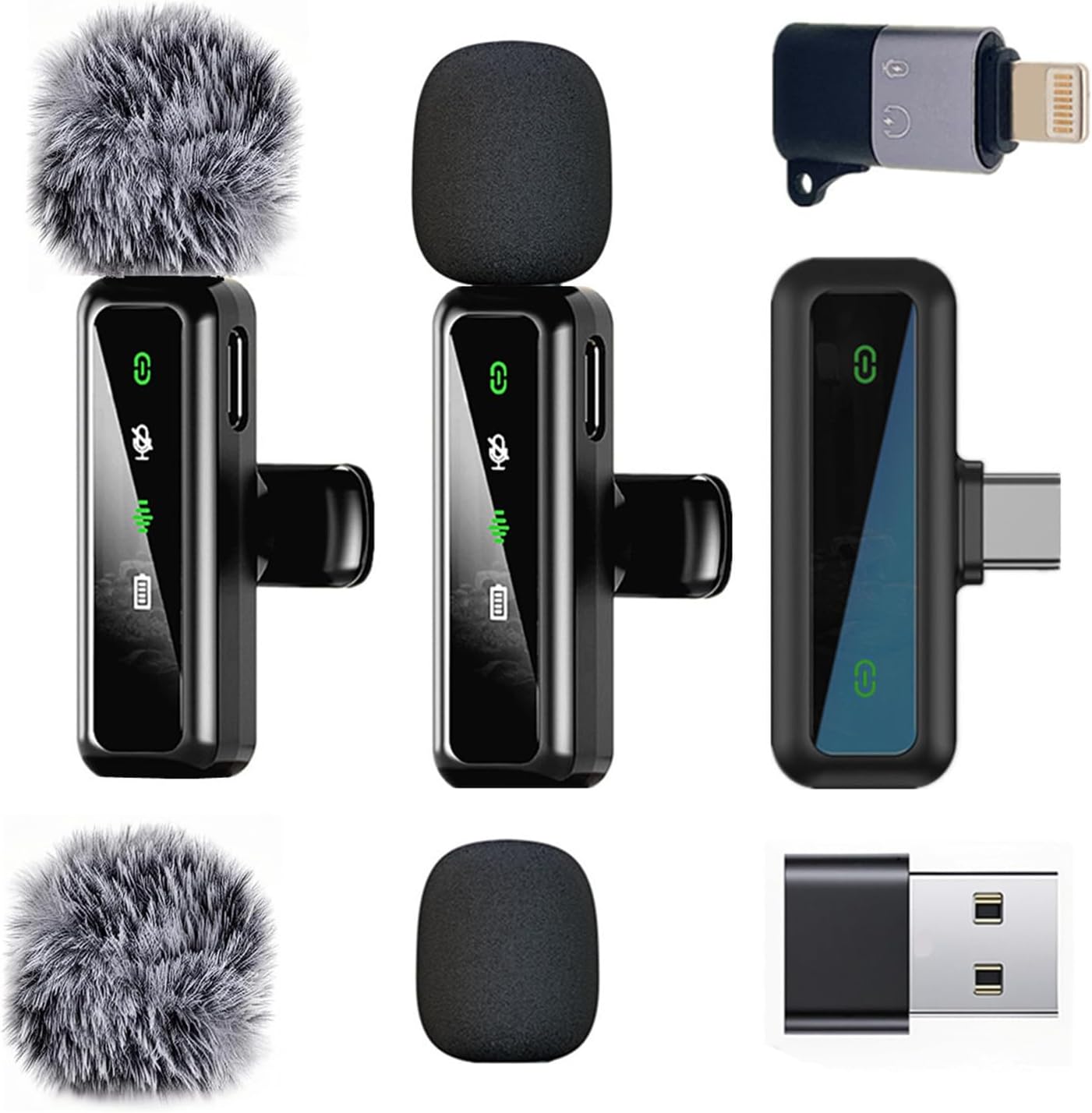
Wireless Lavalier Microphone for iPhone - iPad, Android Phone Computer, Mini Microphone for Live Streaming, Video Recording, Outdoor or Indoor Interviews, YouTube, TikTok, Vlog (Black)
Clips on, pairs with a phone or computer, and turns any room into a usable interview location
Not a desk microphone, no XLR path, and the build and capture quality are budget tier
Prices and availability were captured from Amazon Creators API and may change.
The room is the microphone
I keep a treated home studio and an untreated kitchen, and I record the same sentence in both because the difference is the whole story. A condenser in the kitchen picks up the refrigerator, the street, the reflection off the cabinet doors, and the room mode that makes a male voice sound like it is being read inside a cardboard box. A dynamic in the same kitchen gets you 80% of the way to something you can publish, because it simply hears less of the room.
That is why I start every recommendation with the room and not the capsule. If your recording space has bare walls, a hard floor, and a window facing traffic, the honest move is a dynamic microphone pointed at your mouth from a short distance, plus whatever soft stuff you can hang behind you. You do not need to spend four figures. You need to stop buying microphones that faithfully capture a room you would not want to hear.
This is also where the marketing gets ugly. Every product page promises studio quality, and studio quality in an untreated bedroom is a claim with no meaning. The microphone is one variable. The room is the other nine.
USB or XLR: choose the path, not the badge
USB microphones have closed most of the quality gap. The converters inside a decent USB microphone in 2026 are not the bottleneck for a spoken-word podcast, and anyone telling you otherwise is selling interfaces. If you record one person at one desk and you do not want to learn gain staging, USB is the correct answer and it is not a compromise.
XLR is for people who know why they want it. The reasons are real: you can put a long cable between the microphone and the interface, you can upgrade one piece at a time, you can run two microphones into one box without software tricks, and you can buy a microphone that will still be relevant in a decade. The cost is an interface, cables, and a slightly steeper learning curve.
The interesting category is the microphone that does both. It lets you start on USB with no interface and move to XLR when you actually have a reason, which is the least wasteful way to spend your first $100 on audio.
The four microphones, one at a time
Samson Q2U USB/XLR Dynamic Microphone Recording and Podcasting Pack
This is the microphone I recommend to almost every new podcaster, and the dual output is the reason. Plug it in over USB, record, and it sounds like a person talking in a room rather than a person trapped in a room. Its dynamic capsule rejects a useful amount of off-axis noise, so the fan, the keyboard, and the neighbor's dog land further back in the mix than they would with a condenser.
When you eventually buy an interface, the microphone comes with you. Nothing about the Q2U is spectacular in isolation, and that is the point: it is a tool that disappears into the work. If you want the full kit with the accessories included, Visit on Amazon → and compare it against the bare microphone listings.
The honest downside is detail. A dynamic voice sounds slightly rounder and less open than a condenser, and no amount of EQ adds back what was never captured. For a solo podcast, that trade is worth it. For a voiceover demo reel, it is not.
Shure SM4 XLR Studio Condenser Microphone Kit for Recording
If your room is treated and you already own an interface, this is the best-sounding microphone on the list. A condenser captures more of the top end of a voice, which is where intelligibility and presence live, and a kit that includes the shock mount and pop filter solves the two accessories people most often skip and most often regret skipping. A microphone on a bare desk stand picks up every keystroke, and a plosive without a pop filter is a re-record.
The catch is the entire ecosystem. This microphone needs an interface, phantom power, and a room that does not fight back. Put it in an untreated space and it will faithfully record every flaw you have been ignoring, which is a humbling experience and a real one. Buy it when you have already solved the room and you want the upgrade to mean something. Visit on Amazon → before you commit, because at this level the interface budget matters as much as the microphone.
Brvomussy Podcast Equipment Bundle for 2, Audio Interface with Voice Changer Condenser Microphones
Judged as a box of parts, this is a lot of gear for the money: two microphones, an interface, and a mixer aimed at two people streaming or recording together. If you and a co-host want to go live this weekend without assembling a signal chain, the bundle removes every decision except where to sit.
Judged as an audio chain, it has two problems I care about. First, condenser capsules in an untreated room will pull in everything, and the two-microphone setup means two sources of room tone to clean up in the edit. Second, the voice changer is a gaming feature dressed as a podcast feature. It will not help a spoken-word show, and if you leave it on by accident you will find out in post.
Where it makes sense: a two-person gaming or streaming channel, a first setup for kids, or anyone who wants the whole thing in one purchase and understands they are buying convenience rather than a lifetime tool. Visit on Amazon → and read the recent reviews carefully, especially about the software.
Wireless Lavalier Microphone for iPhone, iPad, Android Phone Computer
This is the cheapest item here and the one I would grab first for a specific job: interviews, run-and-gun video, and any situation where a desk is not part of the plan. It clips on, pairs with a phone or a computer, and it removes the biggest problem in phone video, which is that the microphone is a foot away from the subject and pointed at the sky.
It is not a studio microphone and I will not pretend otherwise. There is no XLR path, the build is light, and the capture is clearly budget tier. What it does have is the quality I value most in gear: you are not afraid to use it. I have watched people leave a $400 condenser in a bag because setting it up felt like a project. This thing gets used, and used beats perfect.
For outdoor interviews, vlogs, and TikTok-length pieces, Visit on Amazon → and check whether the connector matches your phone before ordering, because the wrong plug turns a bargain into a return.
Off-axis rejection and the noise floor
Two numbers decide whether your recording is publishable, and neither one is frequency response. The first is off-axis rejection, which is how much the microphone hears from the sides and back. A dynamic wins this fight, which is why a dynamic in a loud apartment sounds better than a condenser in the same apartment. The second is the noise floor of your whole chain, which includes the room, the computer fan, and the preamp. If your room tone sits high, every compression move you make in post lifts it further, and the show starts to sound tired.
Practical version: point the microphone slightly across your mouth rather than straight into it to soften plosives, keep the distance consistent, and set your levels so your loudest moment peaks with room to spare. Then listen to ten seconds of silence with headphones on. Whatever you hear in that silence is in every episode you publish.
What you still have to buy
No microphone on this list fixes a bad setup on its own. A boom arm and a pop filter matter more than the difference between two microphones in the same price band, because a desk stand transmits every keystroke and a bare capsule turns a hard consonant into a thump. A treated corner, even a closet full of clothes, matters more than both. And if you are recording two people in one room, you need two microphones with good off-axis rejection, not one expensive microphone and hope.
Budget accordingly: the microphone is roughly half of a first setup, not all of it.
Who should buy which
Buy the Samson Q2U if you are starting a solo show, recording in a normal room, and you want a path to XLR later without buying twice. Buy the Shure SM4 if your room is treated, you already own an interface, and you want the most detailed voice capture on this list. Buy the Brvomussy bundle if your actual goal is a two-person stream this month and you want one box to solve it. Buy the wireless lavalier if your camera is a phone and your subject is moving.
The upgrade trap
The pattern I see in my own edit bay is consistent: people buy a more expensive microphone to fix a problem that lives in the room, then blame the microphone when it does not work. I have made a cheap dynamic sound better than a costly condenser in the same untreated space, and I have made that same condenser sound like money in a treated one. Fix the room, learn your gain staging, then upgrade. Your first $200 of audio gear should be a decent dynamic microphone and something soft on the wall behind you, and for most creators, that setup is finished, not a stepping stone.